
How to Care for Wood Sorrel
Grow cheerful Wood Sorrel (Oxalis stricta) with sun to part shade and moderate water for delicate clover-like foliage and bright little blooms.
Read the full Wood Sorrel encyclopedia entry →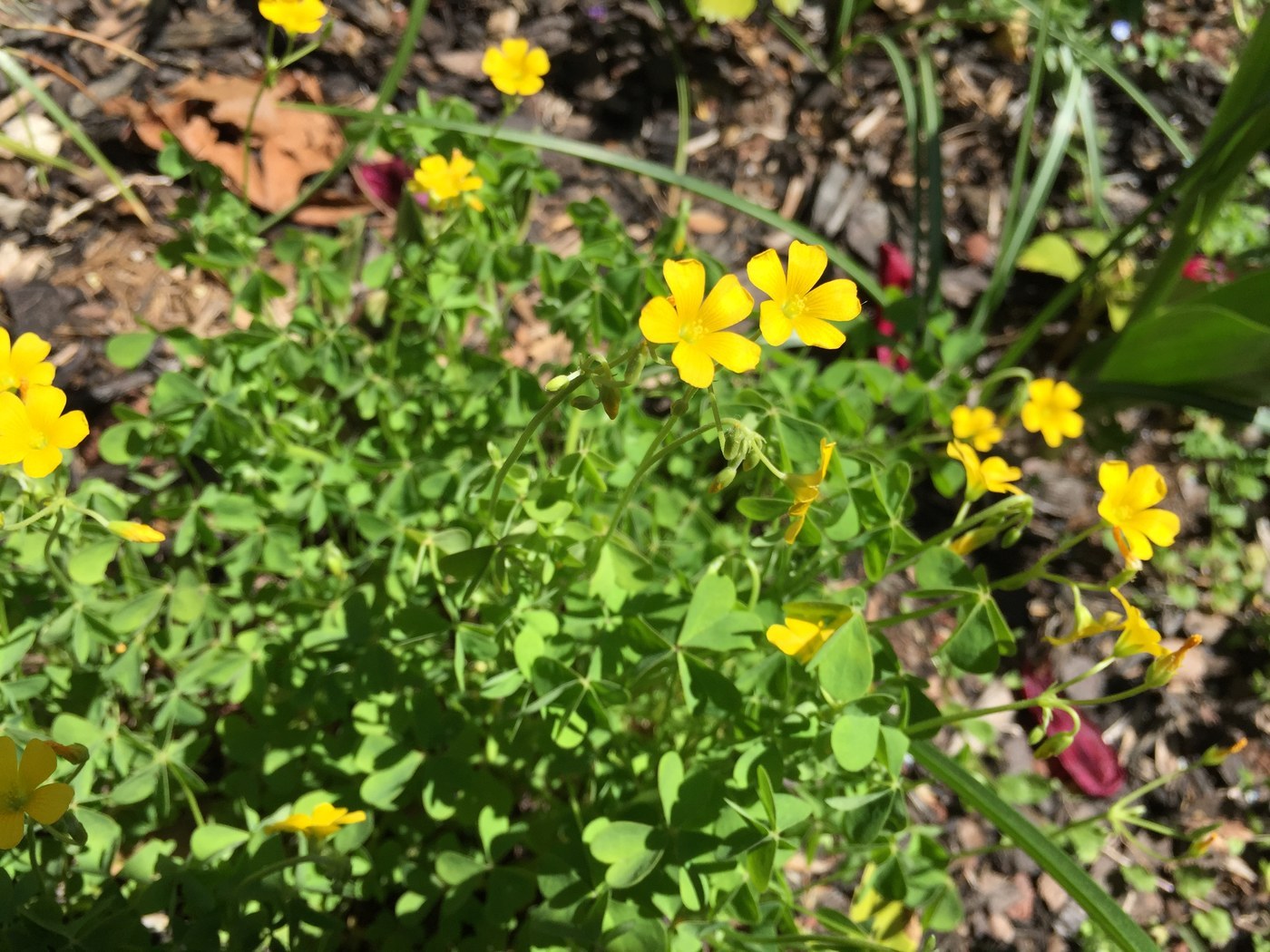
Wood Sorrel (Oxalis stricta) is a low, spreading plant with delicate clover-like leaves of three heart-shaped leaflets and small bright flowers. It is easy and adaptable, growing readily in gardens and containers, though its vigor means it can spread freely where conditions suit it.
Light
Wood Sorrel grows in full sun to part shade. It flowers most abundantly in bright conditions but appreciates some afternoon shade in hot climates, which keeps the foliage lush. Indoors, give it a bright window. The leaflets fold down in the evening and reopen with light, a natural rhythm that is normal and healthy.
Water
Provide moderate, even moisture, watering when the top inch of soil begins to dry. Wood Sorrel likes consistent moisture during active growth but tolerates dry spells once established, becoming semi-dormant in drought and reviving with rain or watering. Avoid waterlogged soil, which invites rot. Container plants dry faster and need closer attention in summer.
Soil & Potting
Wood Sorrel is undemanding about soil and grows in most well-draining garden or potting mixes. A loose, moderately fertile mix with good drainage suits it best. In containers, use any quality potting soil with drainage holes. It self-seeds and spreads by roots, so in the garden consider its enthusiasm before planting.
Humidity & Temperature
This adaptable plant tolerates a wide range of temperatures and typical humidity. It grows actively in mild to warm weather and may die back in extreme heat or cold, returning from roots or seed when conditions improve. Average indoor humidity is fine; no misting is needed.
Feeding
Feed lightly during the growing season with a diluted balanced fertilizer every few weeks if grown in containers, where nutrients deplete faster. In the ground, it usually needs little to no feeding in reasonably fertile soil. Ease off in the cooler dormant months.
Propagation
Wood Sorrel propagates very easily. It self-seeds prolifically via seed capsules that scatter when ripe, and it also spreads by creeping roots. To propagate deliberately, divide clumps in spring or collect and sow seed. Root divisions establish quickly in moist soil.
Repotting / Pruning
Repot or divide container plants in spring when they fill the pot. Trim back leggy or spent growth to keep the plant tidy and encourage fresh foliage. Deadheading and removing seed capsules before they burst helps limit unwanted self-seeding if you want to contain its spread.
Common Problems & Pests
Wood Sorrel is generally trouble-free. Overwatering and poor drainage can cause root rot. In dry indoor air, spider mites and occasionally aphids may appear on tender growth; rinse them off or spot-treat. Its main challenge in gardens is its vigor, since it readily reseeds and can spread beyond its intended spot.
Seasonal Care Tips
In spring, growth resumes rapidly; provide moisture and light for lush foliage and flowers. In summer, keep soil evenly moist and offer afternoon shade in hot regions. In fall, growth slows, and in winter the plant may die back, returning from roots or seed when warmth returns.
Frequently asked questions
Why do my Wood Sorrel leaves close up at night?
This is completely normal. The clover-like leaflets fold down in the evening and low light and reopen when bright light returns, a natural daily rhythm that shows the plant is healthy.
How much sun does Wood Sorrel need?
It grows in full sun to part shade and flowers best in bright conditions. In hot climates, a little afternoon shade keeps the delicate foliage lush and prevents scorching.
How do I keep Wood Sorrel from spreading too much?
It self-seeds prolifically and spreads by roots. To contain it, deadhead flowers and remove seed capsules before they burst, and grow it in a container to keep the creeping roots in check.
How often should I water Wood Sorrel?
Water moderately when the top inch of soil dries. It likes even moisture during growth but tolerates dry spells once established, going semi-dormant in drought and reviving with water.