Frangipani
Scientific Name: Plumeria rubra
Plant Family: Apocynaceae (Dogbane family)
Native Region: Native to Mexico, Central America, and Venezuela, but widely cultivated in tropical regions like Bali, Indonesia.
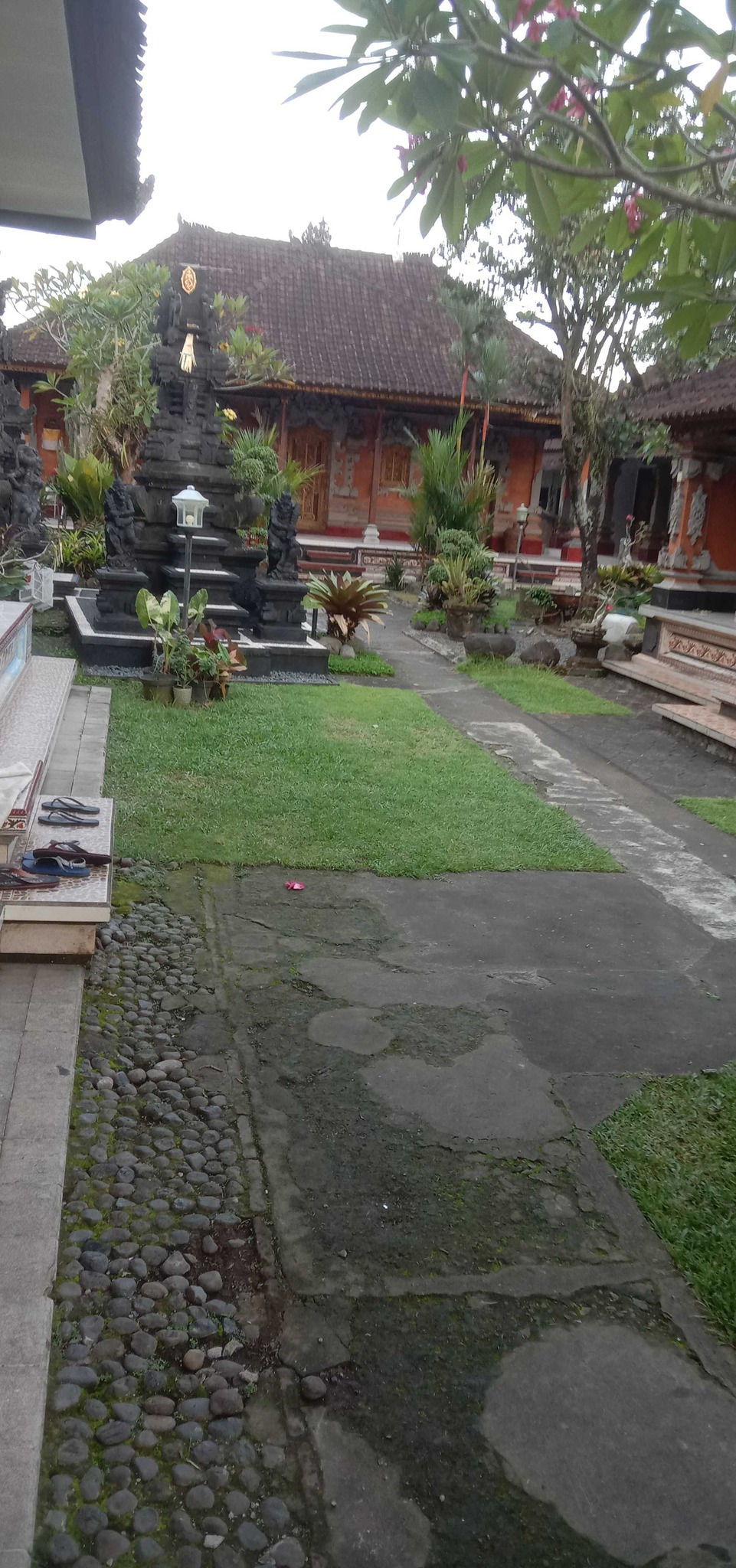
Brief Description
A small deciduous tree or large shrub with thick, succulent-like branches and fragrant, five-petaled flowers that often feature a yellow center.
Care Instructions
Provide full sun and well-draining soil. Water regularly during the growing season but allow the soil to dry out between waterings. Protect from frost and feed with a high-phosphorus fertilizer to encourage blooming.
Medicinal Value
We do not currently provide medicinal value for plant identifications.
Sunlight
Full sun, requiring at least 6 to 8 hours of direct sunlight per day for optimal bloom.
Watering
Moderate; water deeply when the top inch of soil is dry. Drought-tolerant once established. Over-watering leads to root rot.
Soil
Well-draining, sandy or loamy soil with a slightly acidic to neutral pH (6.0 to 7.0).
Hardiness Zone
USDA zones 10 through 12. Does not tolerate temperatures below 32°F (0°C).
Growth Habit
Perennial deciduous tree; typically reaches 15–25 feet in height with a wide, vase-like spread. Growth rate is moderate.
Bloom Season
Generally flowers from early summer through autumn; flowers are waxy, highly fragrant, and come in shades of white, yellow, pink, and red.
Toxicity
Toxic to humans, cats, and dogs. The milky sap is an irritant that can cause skin rashes and, if ingested, can cause vomiting and gastrointestinal distress.
Propagation
Most commonly by stem cuttings taken in spring or summer. Allow the cut end to callus over for several days before planting in well-draining soil.
Common Pests & Issues
Susceptible to Frangipani rust (orange fungal pustules on leaves), spider mites, and whiteflies. Avoid overhead watering to prevent fungal issues.
Similar Species
Adenium obesum (Desert Rose), which has a more swollen base (caudex) and smaller leaves; and Plumeria obtusa, which has rounded leaf tips and dark green shiny leaves.
Interesting Facts
In Balinese culture, the plumeria (known as Kamboja) is considered sacred and is a staple in religious ceremonies, temple decorations, and traditional dance.
Created At: 2026-05-10T09:41:37.520271