Arrowwood Viburnum
Scientific Name: Viburnum dentatum
Plant Family: Adoxaceae
Native Region: Eastern North America
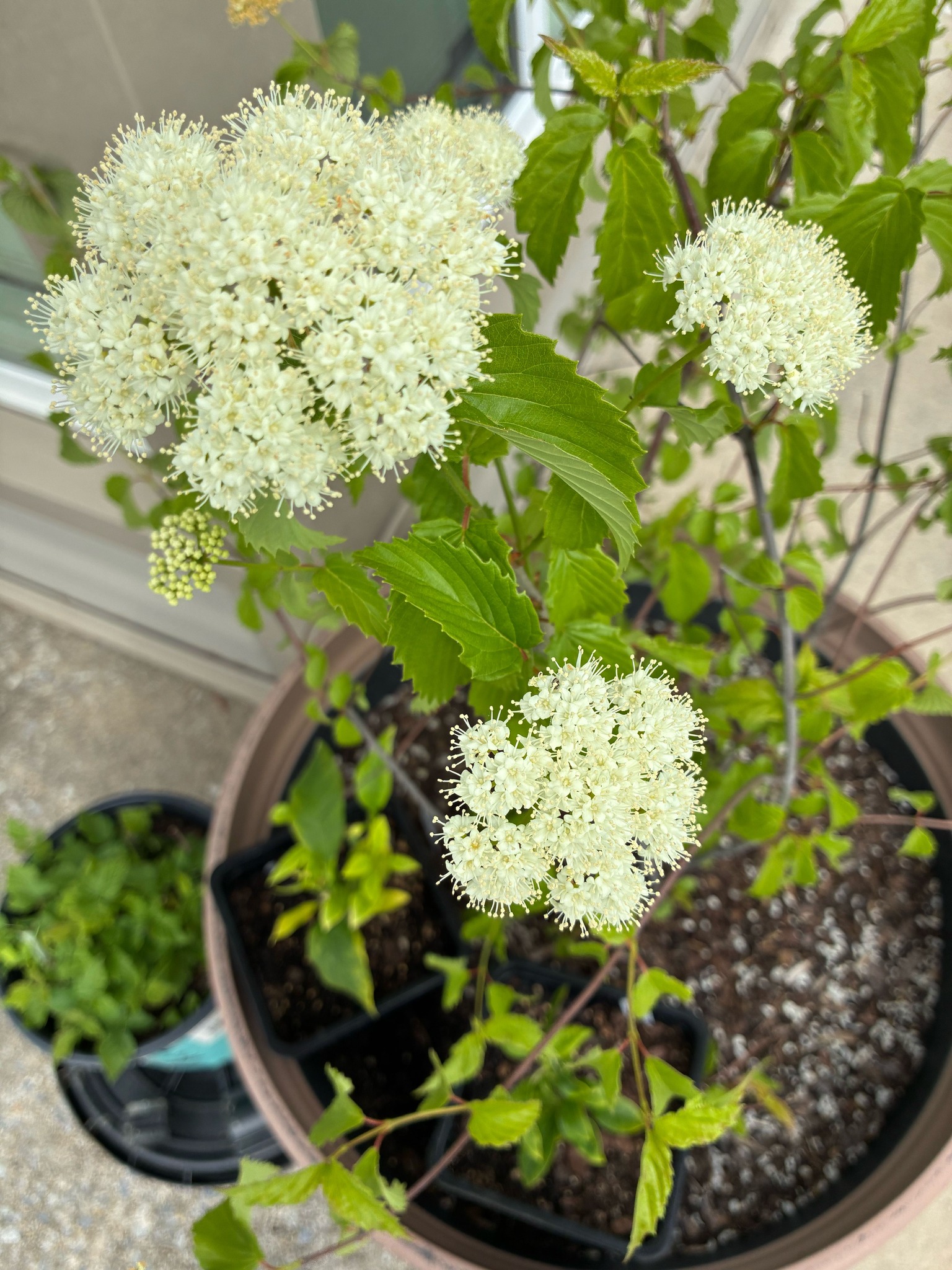
Brief Description
A multi-stemmed deciduous shrub known for its creamy white flat-topped flower clusters, glossy dark green toothed leaves, and intense blue-black berries in the fall.
Care Instructions
Low-maintenance. Provide full sun to partial shade. Keep soil consistently moist but well-drained. Mulch to retain moisture. Prune immediately after flowering if needed for shape.
Medicinal Value
We do not currently provide medicinal value for plant identifications.
Sunlight
Full sun to partial shade (4-6+ hours per day). Better flowering and fall color occur in full sun.
Watering
Moderate watering needs. Best with consistent moisture; it is moderately drought-tolerant once established but will flag in extreme heat without water.
Soil
Adaptable to many soils; prefers moist, well-draining loamy soil with a pH of 5.0 to 7.5.
Hardiness Zone
3-8
Growth Habit
Perennial deciduous shrub; upright, multi-stemmed rounded habit. Grows 6-12 feet high and wide at a moderate to fast rate.
Bloom Season
Late spring to early summer; features 2-4 inch wide flat-topped cymes of tiny white flowers.
Toxicity
Non-toxic to humans and common pets, though consuming large quantities of any Viburnum berries may cause mild stomach upset.
Propagation
Softwood cuttings in summer or hardwood cuttings in winter; can also be grown from seed, though germination can take two years.
Common Pests & Issues
Highly susceptible to the Viburnum Leaf Beetle (Pyrrhalta viburni) which can defoliate the plant. Occasional powdery mildew or leaf spot in humid conditions.
Similar Species
Viburnum molle (Kentucky Viburnum) has peeling bark; Viburnum rafinesquianum (Downy Arrowwood) has shorter petioles and hairy leaf undersides.
Interesting Facts
The common name 'Arrowwood' comes from Native Americans using the exceptionally straight, strong suckers/stems of the plant to create arrows.
Created At: 2026-04-18T20:02:24.951660