Rose Verbena
Scientific Name: Glandularia canadensis
Plant Family: Verbenaceae
Native Region: Central and Eastern United States
Brief Description
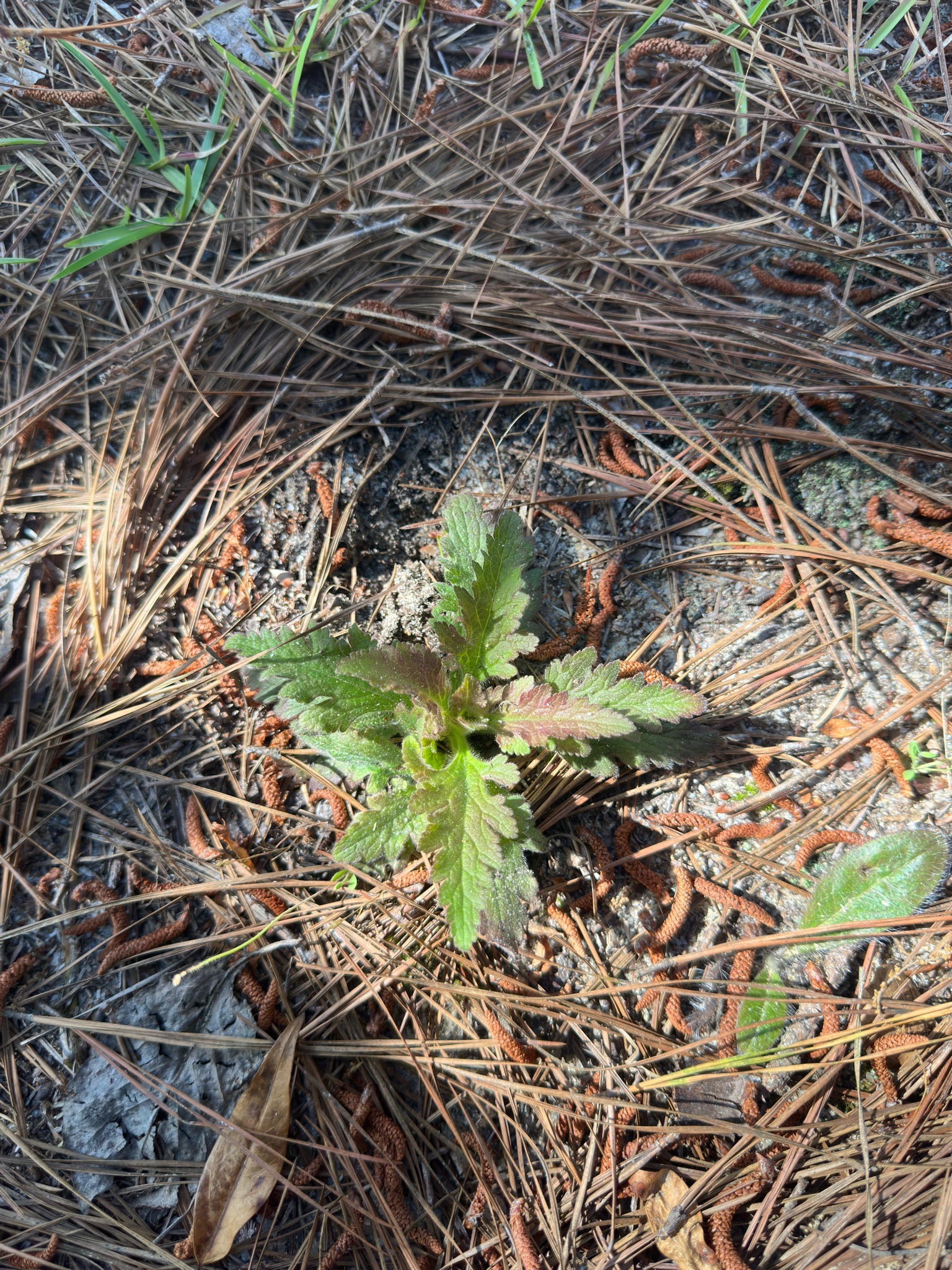
A low-growing, spreading perennial with deeply lobed, hairy green leaves and clusters of five-petaled pink to purple flowers. Often used as a groundcover.
Care Instructions
Thrives in full sun and well-drained soil. Drought tolerant once established, but benefits from occasional watering. Minimal pruning needed but can be trimmed after flowering to promote new growth.
Medicinal Value
We do not currently provide medicinal value for plant identifications.
Sunlight
Full sun, at least 6 to 8 hours per day
Watering
Moderate; water regularly until established. Once mature, it is drought-tolerant. Over-watering can lead to root rot.
Soil
Well-drained, sandy or loamy soil with a neutral to slightly acidic pH (6.0 to 7.0).
Hardiness Zone
Zones 6 to 9
Growth Habit
Herbaceous perennial groundcover; reaches 6 to 12 inches high and spreads 1 to 2 feet wide. Rapid growth rate.
Bloom Season
Spring through Fall; produces rounded clusters of rose-pink, lavender, or purple flowers.
Toxicity
Generally non-toxic to humans and pets, but may cause mild stomach upset if large quantities are ingested.
Propagation
Easily propagated by stem cuttings, seeds, or by dividing the root ball in early spring.
Common Pests & Issues
Susceptible to powdery mildew in humid conditions. Spider mites and thrips may occasionally target foliage.
Similar Species
Verbena rigida (Sandpaper Verbena), which has rougher, stiffer leaves and is more upright, and Glandularia bipinnatifida (Dakota Mock Vervain), which has much more finely dissected leaves.
Interesting Facts
This plant is highly attractive to butterflies and bees. It was formerly classified in the genus Verbena before being moved to Glandularia.
Created At: 2026-05-13T14:15:19.783821