Garden Peony
Scientific Name: Paeonia lactiflora
Plant Family: Paeoniaceae
Native Region: Central and Eastern Asia (China, Mongolia, Siberia, Japan, Tibet)
Brief Description
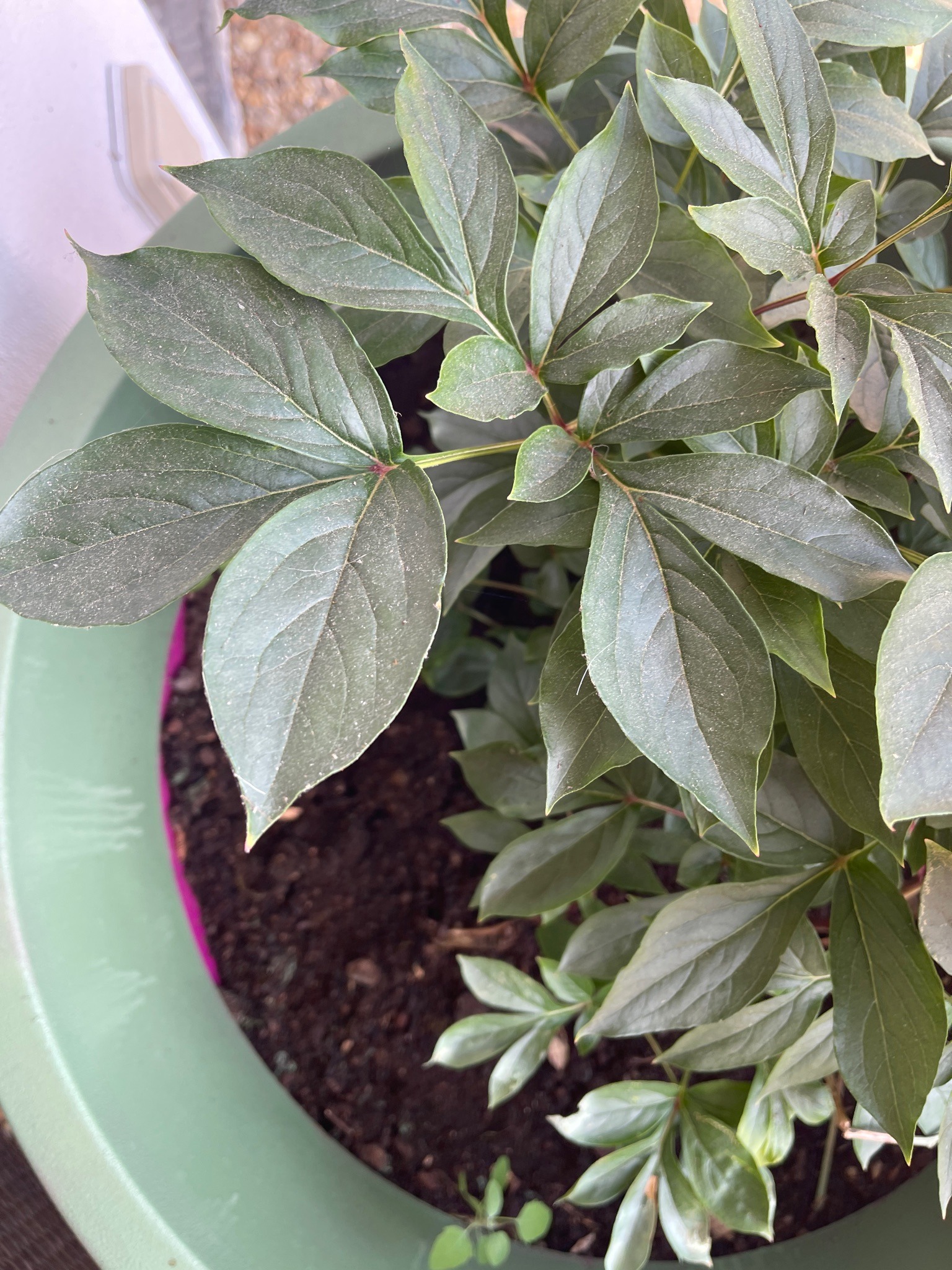
A popular herbaceous perennial known for its large, fragrant blossoms and glossy, deeply lobed dark green leaves. It forms bushy mounds and is a staple of temperate gardens.
Care Instructions
Provide at least 6 hours of full sun for best flowering. Water deeply once a week, and maintain moist but well-drained soil. Feed with a low-nitrogen fertilizer in early spring and again after blooming.
Medicinal Value
We do not currently provide medicinal value for plant identifications.
Sunlight
Full sun (6-8 hours daily); can tolerate light partial shade in very hot climates but may flower less.
Watering
Consistent moisture is necessary, especially during the first two years of establishment. Water when the top inch of soil feels dry. Drought-tolerant once established but performs better with regular hydration.
Soil
Rich, fertile, well-draining soil with a neutral to slightly acidic pH (6.5 to 7.0).
Hardiness Zone
3 to 8
Growth Habit
Herbaceous perennial; grows in a clumping habit reaching 2 to 3 feet in height and spread. It dies back to the ground in winter and regrows from the roots in spring.
Bloom Season
Late spring to early summer; flowers are large, often fragrant, ranging from white and pink to deep red and bicolor.
Toxicity
Contains paeonol, which is toxic to dogs, cats, and horses if ingested in large quantities, causing vomiting and diarrhea.
Propagation
Propagated mainly by root division in the fall or by seed (though seeds take several years to reach flowering size).
Common Pests & Issues
Susceptible to Botrytis blight (gray mold) and powdery mildew. Pests include aphids and scale. Ants often visit the buds for nectar but do not harm the plant.
Similar Species
Tree Peony (Paeonia suffruticosa), which has woody stems that do not die back; and Itoh Hybrids, which are a cross between herbaceous and tree peonies.
Interesting Facts
Peonies can live for 50 to 100 years or more if left undisturbed. The relationship with ants is mutually beneficial, as ants protect the buds from other pests while feeding on nectar.
Created At: 2026-06-26T08:16:31.208199