Snapdragon
Scientific Name: Antirrhinum majus
Plant Family: Plantaginaceae
Native Region: Mediterranean region, from Morocco and Portugal north to southern France, and east to Turkey and Syria.
Brief Description
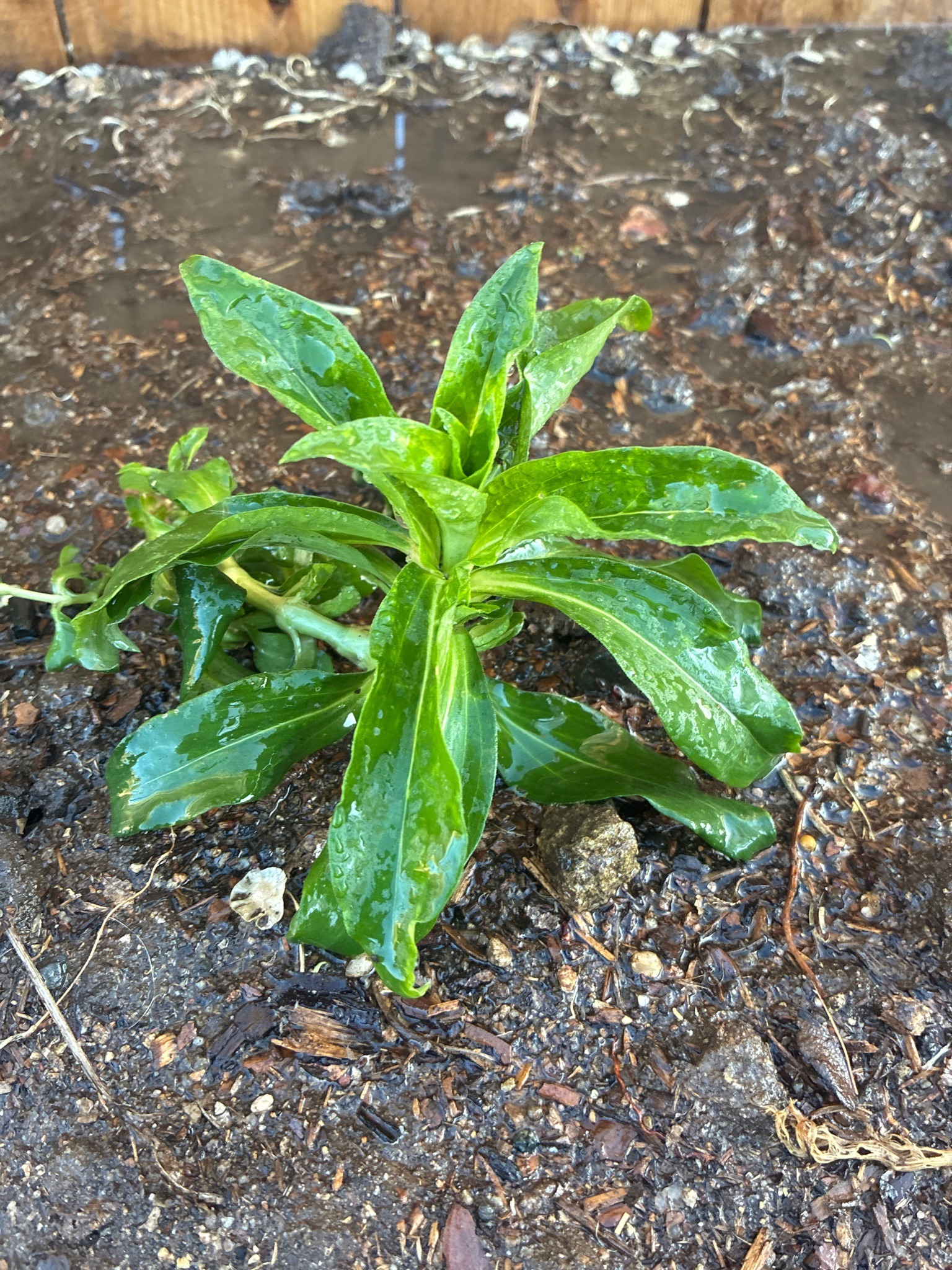
A popular bedding plant known for its unique flowers that resemble a dragon's mouth that opens when squeezed. It has lance-shaped, deep green leaves and stems that grow upright from a basal rosette.
Care Instructions
Snapdragons prefer cool weather and should be planted in early spring or fall. They need full sun and well-draining soil. Apply a balanced fertilizer every few weeks during the growing season and deadhead spent blooms to encourage continuous flowering.
Medicinal Value
We do not currently provide medicinal value for plant identifications.
Sunlight
Full sun, at least 6 to 8 hours per day. In very hot climates, they benefit from afternoon shade.
Watering
Keep soil consistently moist but not waterlogged. Water at the base of the plant to avoid wetting the foliage, which can lead to disease. Drought tolerant once established but blooms best with regular water.
Soil
Rich, well-draining soil with a neutral pH between 6.2 and 7.0.
Hardiness Zone
7 to 11 (often grown as an annual in zones 1-6)
Growth Habit
Short-lived perennial usually grown as an annual. Heights vary by variety: dwarf (6-10 inches), medium (12-30 inches), and tall (30-48 inches).
Bloom Season
Spring and autumn; they often pause blooming during the peak heat of summer. Flowers come in a wide range of colors including white, yellow, pink, red, orange, and burgundies.
Toxicity
Non-toxic to humans, dogs, cats, and horses according to the ASPCA.
Propagation
Typically grown from seeds started indoors 6-10 weeks before the last frost. Can also be propagated via stem cuttings in late summer.
Common Pests & Issues
Susceptible to snapdragon rust (fungal disease), powdery mildew, and aphids. Proper spacing and avoiding overhead watering can prevent most fungal issues.
Similar Species
Linaria (Toadflax) looks similar but has smaller flowers with long spurs. Digitalis (Foxglove) has similar upright flower spikes but much larger, bell-shaped blooms and wider leaves.
Interesting Facts
The name 'Antirrhinum' comes from the Greek words 'anti' (like) and 'rhin' (nose), referring to the snout-like shape of the flower. When the flower is squeezed, the 'jaws' snap open and shut, hence the common name.
Created At: 2026-04-24T01:48:37.004579