Cider Gum / Silver Mountain Gum
Scientific Name: Eucalyptus gunnii
Plant Family: Myrtaceae
Native Region: Tasmania, Australia
Brief Description
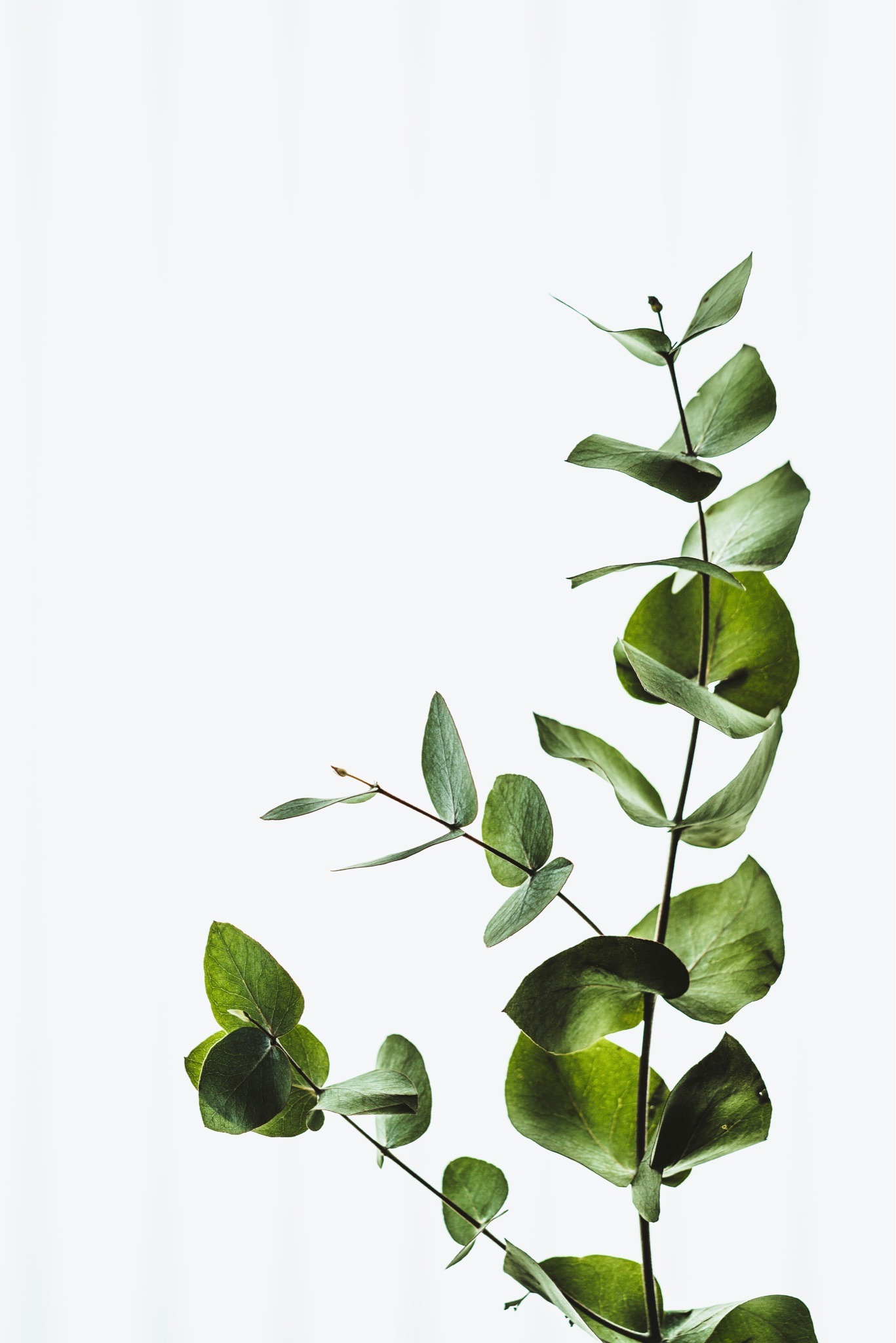
An evergreen tree known for its striking juvenile foliage, which consists of silvery-blue, rounded, stalkless leaves arranged in opposite pairs on stems. As the tree matures, these give way to longer, sickle-shaped green leaves.
Care Instructions
Requires full sun and well-draining soil. It is relatively easy to care for once established. Prune regularly (typically in early spring) if you wish to maintain the round juvenile foliage often used in floral arrangements. Apply a balanced fertilizer once per year in spring.
Medicinal Value
We do not currently provide medicinal value for plant identifications.
Sunlight
Full sun, at least 6–8 hours per day
Watering
Moderate watering when young; once established, it is notably drought-tolerant. Allow the top few inches of soil to dry between waterings. Avoid waterlogging which causes root rot.
Soil
Well-draining, loamy or sandy soil; prefers slightly acidic to neutral pH (5.5–7.0).
Hardiness Zone
USDA zones 8–11; one of the hardier Eucalyptus species, tolerant down to -10°C to -15°C (14°F to 5°F).
Growth Habit
Large evergreen tree, fast-growing, 10–25m tall in the wild, but often kept as a shrub via pollarding.
Bloom Season
Summer; produces small, white, fluffy clusters of flowers (umbels).
Toxicity
Toxic to dogs, cats, and horses if ingested due to essential oils (eucalyptol); causes salivation, vomiting, diarrhea, and depression. Toxic to humans in large quantities.
Propagation
Propagated mainly by seed in spring. Cuttings are notoriously difficult to root.
Common Pests & Issues
Susceptible to Eucalyptus psyllids, gall wasps, and silver leaf fungus. Poor drainage is the most common cause of death (root rot).
Similar Species
Eucalyptus pulverulenta (Baby Blue) – similar silver leaves but smaller habit; Eucalyptus globulus – much larger and less cold-hardy with different juvenile leaf shapes.
Interesting Facts
Commonly used by florists for 'filler' greenery because the juvenile leaves retain their color and shape long after being cut. Its specific epithet 'gunnii' honors the botanist Ronald Campbell Gunn.
Created At: 2026-04-17T19:13:35.997598