Miniature Rose
Scientific Name: Rosa chinensis 'Minima'
Plant Family: Rosaceae
Native Region: Originally derived from species native to China; now cultivated globally.
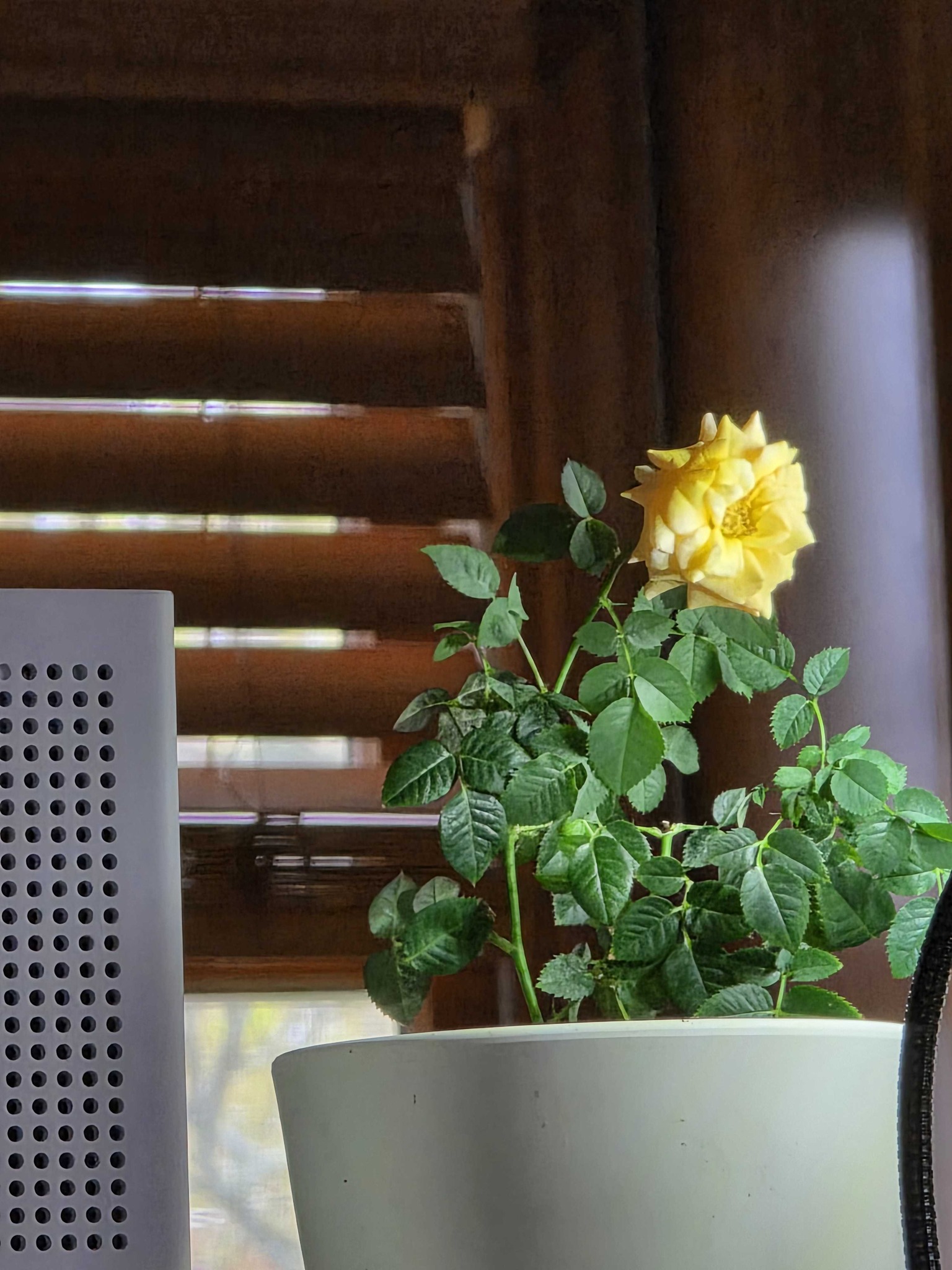
Brief Description
A compact, woody perennial with small, serrated green leaves and multi-petaled yellow flowers. It features thorny stems and blooms as a smaller version of standard roses.
Care Instructions
Provide at least 6 hours of bright light daily. Keep soil moist but not waterlogged. Feed with balanced fertilizer every two weeks during the growing season and prune spent blooms to encourage new growth.
Medicinal Value
We do not currently provide medicinal value for plant identifications.
Sunlight
Full sun to very bright indirect light; requires 6-8 hours of sunlight per day for optimal blooming.
Watering
Water when the top inch of soil feels dry. They prefer consistent moisture but are susceptible to root rot if overwatered. Indoor plants may need more frequent watering due to low humidity.
Soil
Rich, well-draining potting mix with a slightly acidic to neutral pH (6.0 to 7.0).
Hardiness Zone
USDA Zones 5-9; indoor varieties are typically treated as houseplants or annuals in colder regions.
Growth Habit
Perennial shrub with a compact, mounding growth habit. Typically grows 6-18 inches tall and wide.
Bloom Season
Spring through Fall; produces small, clustered yellow blossoms with a mild fragrance.
Toxicity
Generally non-toxic to humans, dogs, and cats; however, the thorns can cause physical injury or skin irritation.
Propagation
Most commonly propagated via softwood cuttings in late spring or summer; can also be grown from seed, though cultivars won't grow true to seed.
Common Pests & Issues
Susceptible to spider mites (especially indoors), aphids, powdery mildew, and black spot. Ensure good air circulation and avoid overhead watering to prevent fungal issues.
Similar Species
Standard Tea Roses (much larger), Begonias (different leaf shape and texture), and Rose Kalanchoe (succulent leaves).
Interesting Facts
Miniature roses were largely forgotten by Western botanists until a single specimen was found in a window box in Switzerland in the early 20th century, leading to their modern resurgence.
Created At: 2026-04-25T15:58:35.345531