Calamansi (Calamondin)
Scientific Name: Citrus x microcarpa
Plant Family: Rutaceae
Native Region: Southeast Asia, specifically the Philippines and surrounding regions
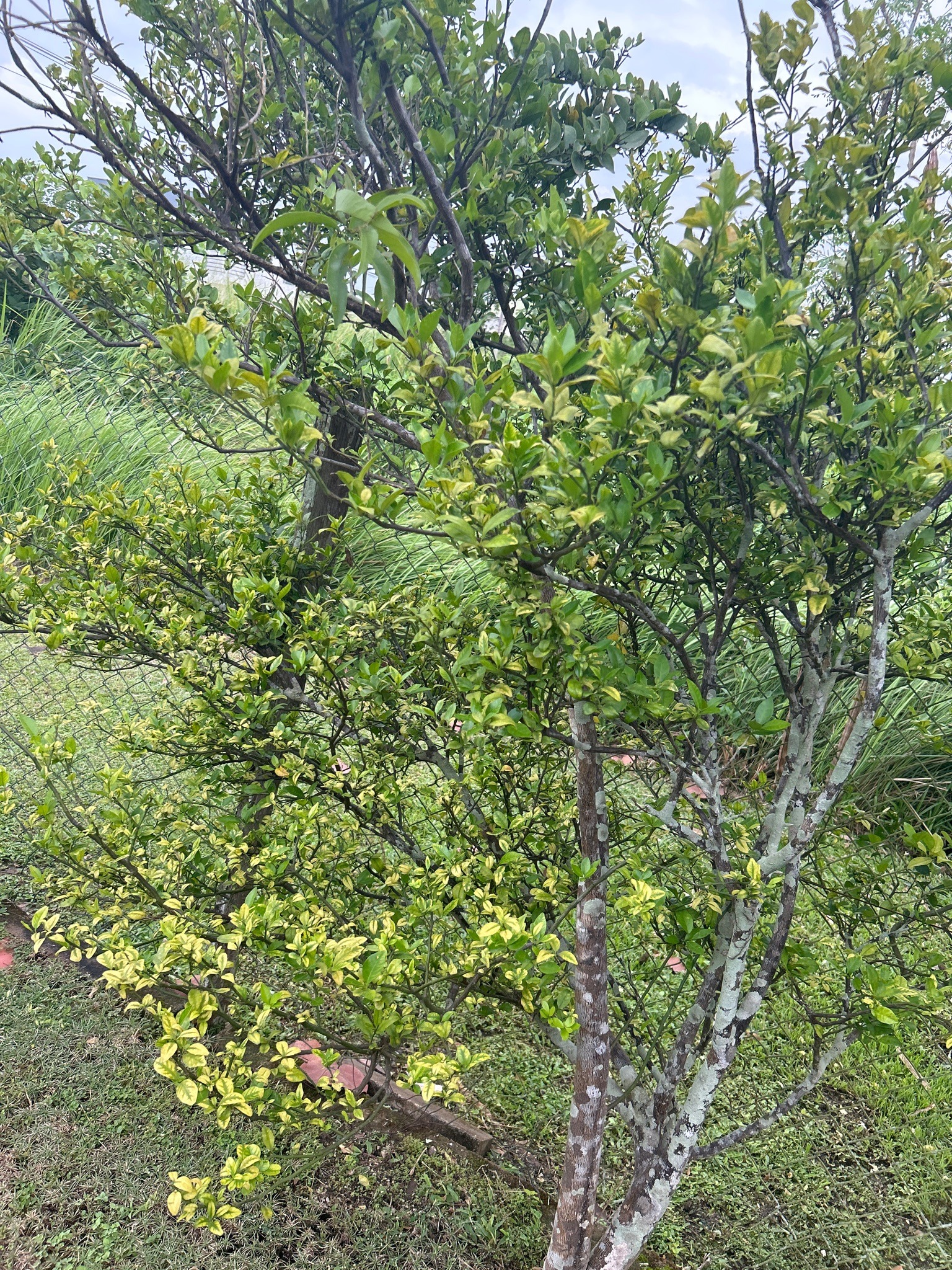
Brief Description
A small, bushy evergreen tree with leathery green leaves and very small, round citrus fruits that look like miniature oranges but are highly acidic.
Care Instructions
Thrives in full sun with well-draining soil. Requires regular watering but must not sit in water. Feed with citrus fertilizer during the growing season and prune to maintain shape.
Medicinal Value
We do not currently provide medicinal value for plant identifications.
Sunlight
Full sun preferred (at least 6-8 hours per day). Can tolerate partial shade but fruit production will decrease.
Watering
Moderate but consistent. Water when the top inch of soil feels dry. Sensitive to overwatering which causes root rot; drought can cause leaf drop.
Soil
Well-draining, sandy or loamy soil. Prefers slightly acidic to neutral pH (5.5 to 7.0).
Hardiness Zone
9-11 (USDA). Frost sensitive and needs protection below 32°F (0°C).
Growth Habit
Perennial evergreen shrub or small tree. Mature height ranges from 6-10 feet if planted in the ground, smaller in containers. Slow to moderate growth rate.
Bloom Season
Small, white, fragrant star-shaped flowers that bloom year-round in tropical climates, peaking in spring.
Toxicity
The fruit is edible. However, like most citrus, the leaves and stems contain essential oils and psoralens which can be mildly toxic to dogs and cats if ingested in large quantities, causing gastrointestinal upset.
Propagation
Commonly propagated by seeds (which are polyembryonic and true-to-type) or by stem cuttings and grafting for faster fruit production.
Common Pests & Issues
Prone to citrus leaf miners, aphids, scale, and mealybugs. Overwatering can lead to root rot. Yellowing leaves often indicate nutrient deficiencies (lack of nitrogen or iron).
Similar Species
Kumquat (Citrus japonica), which has elongated fruit and edible sweet skin, whereas Calamansi has round fruit and sour pulp. Often confused with Key Lime due to small fruit size.
Interesting Facts
Calamansi is a hybrid between a Kumquat and a Mandarin orange. It is the most popular citrus fruit in the Philippines and is often used as a natural bleaching agent for the skin or to remove stains from clothing.
Created At: 2026-05-05T20:15:25.088780