Tree Philodendron
Scientific Name: Thaumatophyllum bipinnatifidum
Plant Family: Araceae
Native Region: South America, specifically Brazil, Bolivia, Argentina, and Paraguay.
Brief Description
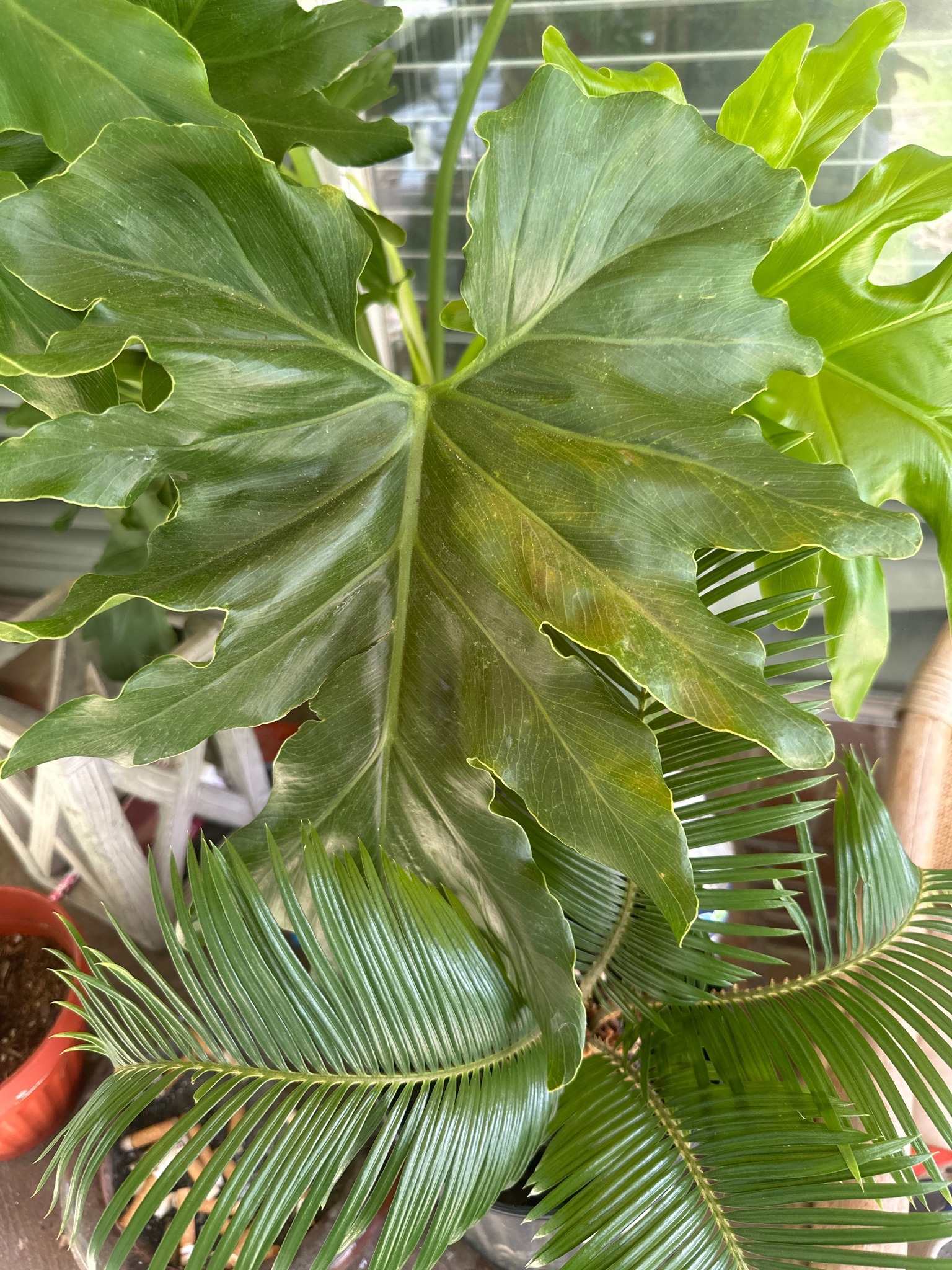
A large, non-climbing tropical plant known for its massive, deeply lobed, heart-shaped leaves and thick, woody trunk with leaf-scar circular 'eyes'.
Care Instructions
Thrives in bright, indirect light and well-draining soil. Water when the top inch of soil is dry and feed with balanced fertilizer during the growing season.
Medicinal Value
We do not currently provide medicinal value for plant identifications.
Sunlight
Bright, indirect sunlight. Can tolerate some direct morning sun but midday sun may scorch leaves. 6-8 hours daily is ideal.
Watering
Moderate watering; allow the top 25-50% of soil to dry out between waterings. Drooping leaves can indicate underwatering, while yellowing may mean overwatering.
Soil
Rich, loose, well-draining potting mix high in organic matter. Prefers a pH of 5.5 to 6.5.
Hardiness Zone
USDA zones 9b-11. It is sensitive to frost and must be moved indoors in colder climates.
Growth Habit
Perennial evergreen shrub/tree habit. Can reach 10-15 feet tall and wide at maturity with a slow to moderate growth rate.
Bloom Season
Produces a spathe and spadix (typical of aroids), usually white or cream, but rarely flowers indoors or outside of its native tropical habitat.
Toxicity
High toxicity to humans, dogs, and cats; contains calcium oxalate crystals which cause swelling, drooling, and digestive distress upon ingestion.
Propagation
Propagated mainly through stem cuttings, air layering, or by planting seeds. Division can be done if the plant produces pups at the base.
Common Pests & Issues
Prone to spider mites, mealybugs, and scale. Root rot can occur if soil remains too wet. Leaf spot diseases may affect foliage in high humidity/poor airflow.
Similar Species
Philodendron selloum (previous scientific name), Monstera deliciosa (has holes/fenestrations rather than deep lobes from the margin), and Philodendron xanadu (smaller and more compact).
Interesting Facts
Despite its common name, it was recently reclassified from the genus Philodendron to Thaumatophyllum because it develops a self-supporting woody trunk as it ages.
Created At: 2026-05-23T18:40:05.050252