Bracken Fern
Scientific Name: Pteridium aquilinum
Plant Family: Dennstaedtiaceae
Native Region: Cosmopolitan distribution; native to all continents except Antarctica and found in most environments except deserts.
Brief Description
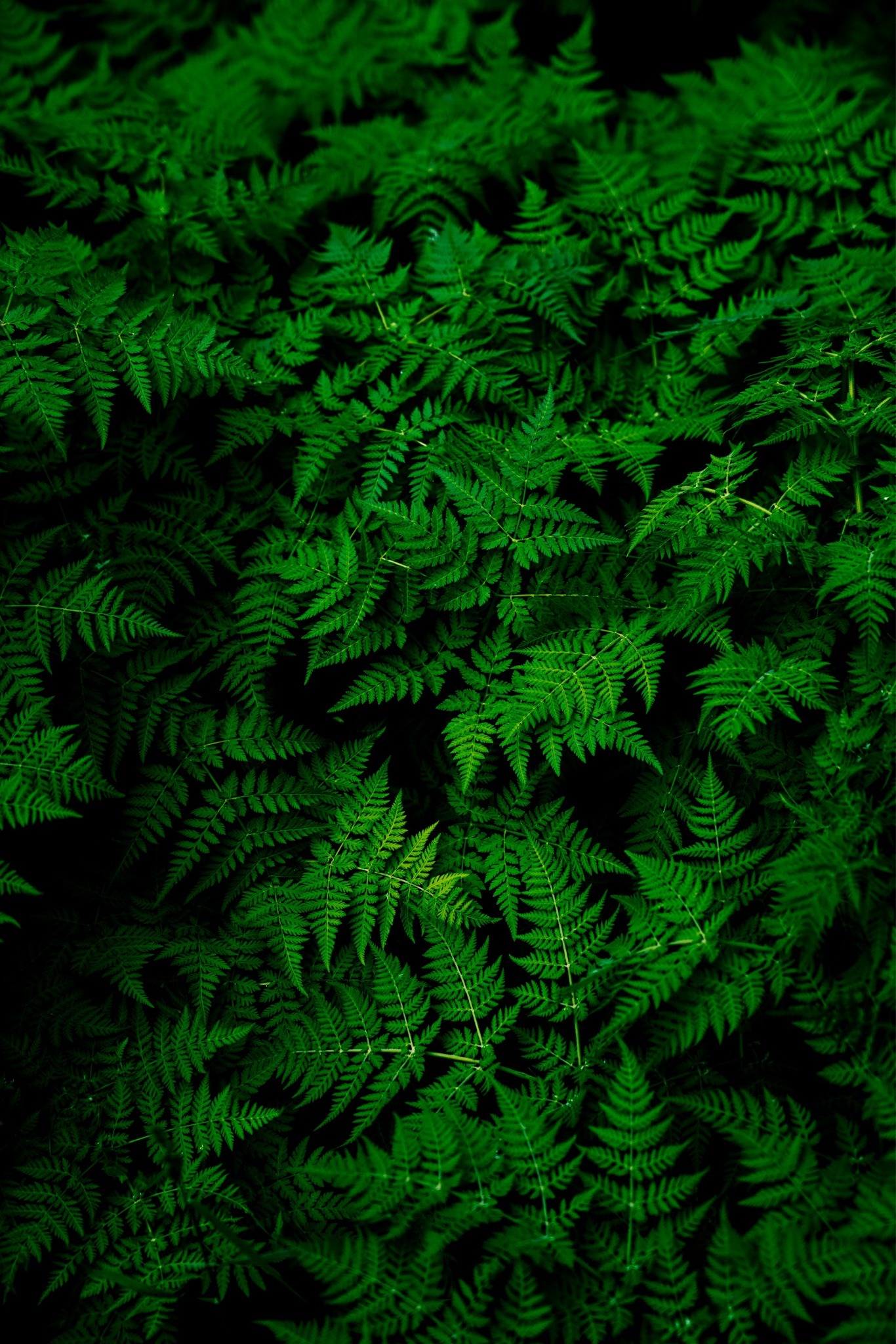
A large, hardy fern featuring triangular, highly divided (bipinnate to tripinnate) fronds that grow from deep, spreading underground rhizomes. It often forms dense thickets.
Care Instructions
This is a wild, invasive fern that rarely needs care. It thrives in dappled shade to full sun with acidic, well-draining soil. Provide moderate moisture but it is highly drought tolerant once established.
Medicinal Value
We do not currently provide medicinal value for plant identifications.
Sunlight
Full sun to partial shade; prefers dappled light in woodland settings.
Watering
Moderate; thrives in moist soil but is exceptionally drought-tolerant compared to other ferns.
Soil
Well-drained, acidic to neutral soil (pH 4.0–7.0). Tolerates nutrient-poor, sandy, or rocky soils.
Hardiness Zone
3 to 10
Growth Habit
Perennial; deciduous. Spreads via vigorous underground rhizomes. Can reach 3–6 feet in height and spread indefinitely.
Bloom Season
Non-flowering; reproduces via spores located on the undersides of frond margins (sori) in late summer.
Toxicity
Highly toxic to livestock (horses and cattle) due to ptaquiloside (a carcinogen) and thiaminase (which causes Vitamin B1 deficiency). Potentially carcinogenic to humans if consumed raw or frequently.
Propagation
Mainly through division of underground rhizomes or naturally via wind-dispersed spores.
Common Pests & Issues
None significant, as it is highly resilient; it is often considered a weed or fire hazard due to its dry, flammable fronds in autumn.
Similar Species
Lady Fern (Athyrium filix-femina) has more delicate, feathery fronds. Ostrich Fern (Matteuccia struthiopteris) grows in circular clumps rather than a continuous carpet.
Interesting Facts
Bracken is one of the oldest ferns, with fossil records dating back over 55 million years. It is often the first plant to colonize an area after a forest fire.
Created At: 2026-04-17T19:10:07.521746