Redroot Pigweed
Scientific Name: Amaranthus retroflexus
Plant Family: Amaranthaceae
Native Region: Central and Eastern North America; now naturalized worldwide across temperate and tropical zones.
Brief Description
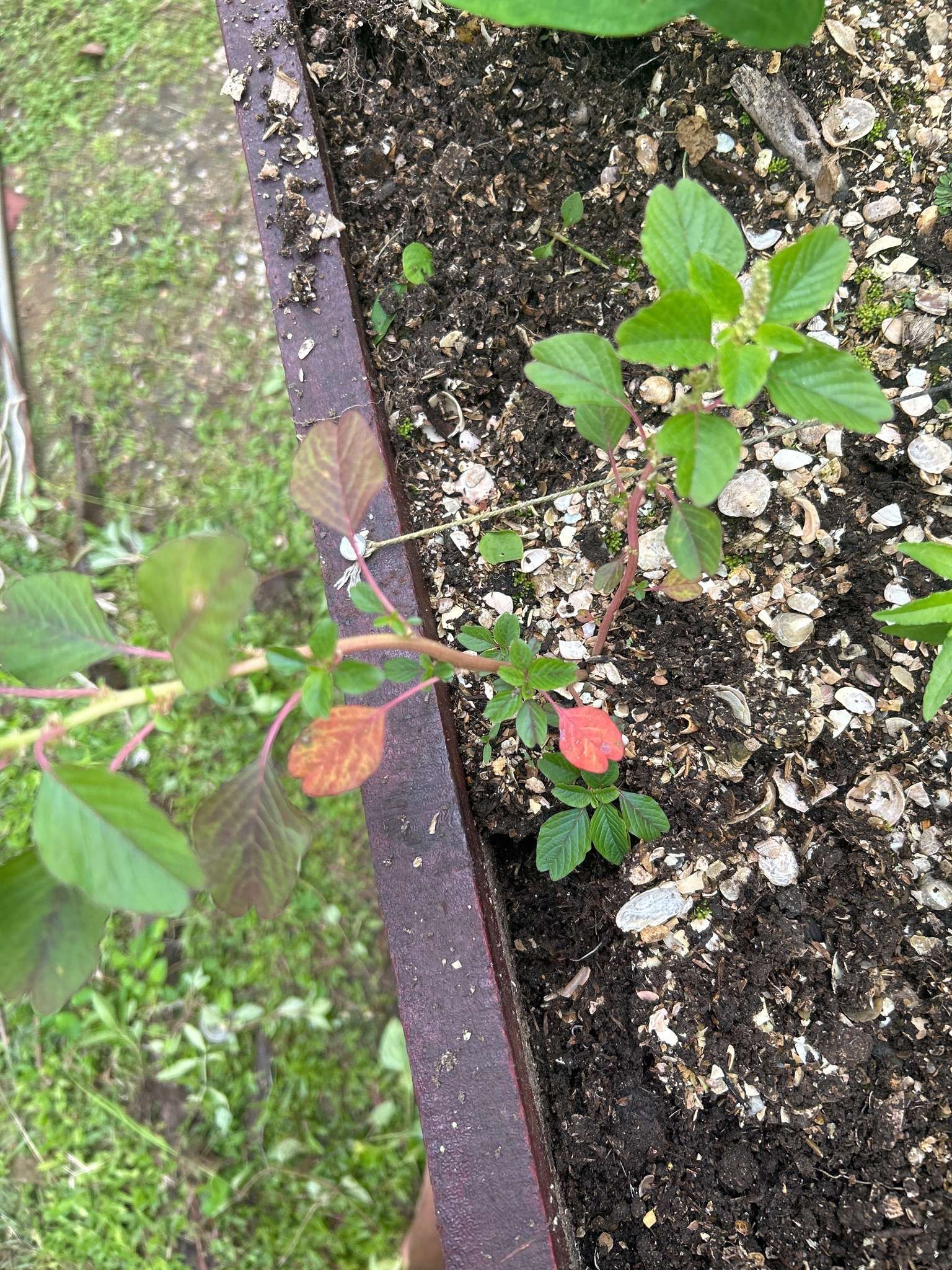
An upright annual herb characterized by a reddish or pinkish taproot and hairy, stout stems. It has ovate green leaves with wavy margins and dense, bristly clusters of small green flowers at the termials.
Care Instructions
Often treated as a weed, but if cultivated, it requires full sun and moist, fertile soil. It is highly adaptable and requires minimal intervention once established. Provide plenty of space as it can grow quite large.
Medicinal Value
We do not currently provide medicinal value for plant identifications.
Sunlight
Full sun, requiring 6 to 8 hours of direct sunlight per day for optimal growth.
Watering
Moderate watering; prefers consistently moist soil but is remarkably drought-tolerant once established due to its deep taproot.
Soil
Highly adaptable, though it thrives in nitrogen-rich, well-draining loamy soils with a pH between 5.5 and 7.5.
Hardiness Zone
Widely adaptable; grows as an annual in USDA zones 3 to 11.
Growth Habit
An erect summer annual reaching 1 to 3 meters in height. It has a fast growth rate and a branching habit.
Bloom Season
Mid-summer to early autumn. Flowers are tiny, greenish, and lack petals, forming in dense paniculate spikes.
Toxicity
Can be toxic to livestock (especially cattle and swine) if consumed in large quantities due to nitrates and oxalates; generally safe for humans in moderation but can cause kidney issues if consumed excessively.
Propagation
Propagates solely by seed. Seeds are small, black, and distributed by wind and water; they can remain viable in the soil for decades.
Common Pests & Issues
Commonly affected by aphids, flea beetles, and tarnished plant bugs. It is also a known host for various viral diseases that affect vegetable crops.
Similar Species
Amaranthus hybridus (Smooth Pigweed), which lacks the dense hairs on the stem, and Amaranthus palmeri (Palmer Amaranth), which has longer petioles and dioecious flowers.
Interesting Facts
A single plant can produce over 100,000 seeds. It is considered one of the most successful and resilient agricultural weeds in the world.
Created At: 2026-05-05T20:23:33.678497