Zonal Geranium
Scientific Name: Pelargonium x hortorum
Plant Family: Geraniaceae
Native Region: South Africa (parent species); globally cultivated
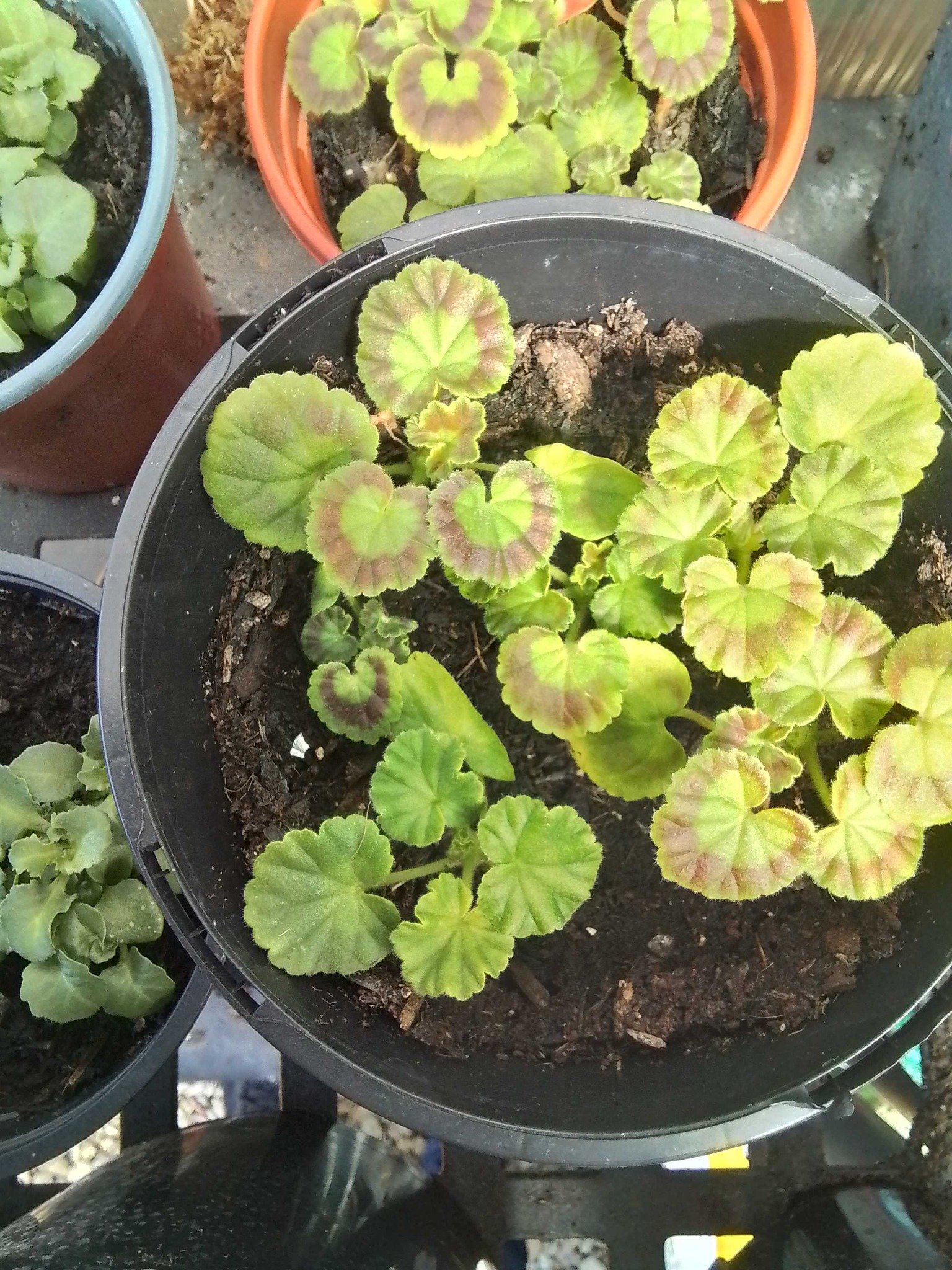
Brief Description
A popular flowering plant known for its circular, ruffled leaves that often feature a distinct dark, horseshoe-shaped 'zone' or band of color. They produce clusters of flowers on long stalks.
Care Instructions
Provide plenty of light and well-draining soil. Water when the top inch of soil feels dry, and feed with a balanced fertilizer every 2-4 weeks during the growing season. Deadhead spent blooms to encourage new growth.
Medicinal Value
We do not currently provide medicinal value for plant identifications.
Sunlight
Full sun to partial shade; at least 6 hours of direct sunlight daily for best blooming.
Watering
Moderate watering. Allow the soil to dry out slightly between waterings. Drought-tolerant once established but prone to root rot if overwatered.
Soil
Well-draining, loamy soil with a slightly acidic to neutral pH (6.0 to 7.0).
Hardiness Zone
USDA zones 10-11 (grown as annuals elsewhere or brought indoors for winter).
Growth Habit
Perennial herb (usually grown as an annual); upright, mounding habit reaching 1-3 feet tall and wide.
Bloom Season
Spring through fall; produces umbrella-like clusters (umbels) of flowers in red, pink, white, or orange.
Toxicity
Mildly toxic to dogs, cats, and horses if ingested; may cause vomiting, depression, and dermatitis due to geraniol and linalool content.
Propagation
Easily propagated by stem cuttings taken in spring or summer, or by seed.
Common Pests & Issues
Susceptible to aphids, spider mites, whiteflies, and fungal issues like botrytis (gray mold) or rust if air circulation is poor.
Similar Species
Ivy Geranium (Pelargonium peltatum), which has a trailing habit and ivy-like leaves, and Scented Geraniums (various Pelargonium spp.), which are grown for fragrant foliage.
Interesting Facts
The 'zone' on the leaves becomes more pronounced with higher light levels. Despite their common name, they are not true members of the Geranium genus, which includes the hardy cranesbills.
Created At: 2026-05-01T11:24:40.113447