Globe Amaranth
Scientific Name: Gomphrena globosa
Plant Family: Amaranthaceae
Native Region: Central America (Panama, Guatemala, and Mexico)
Brief Description
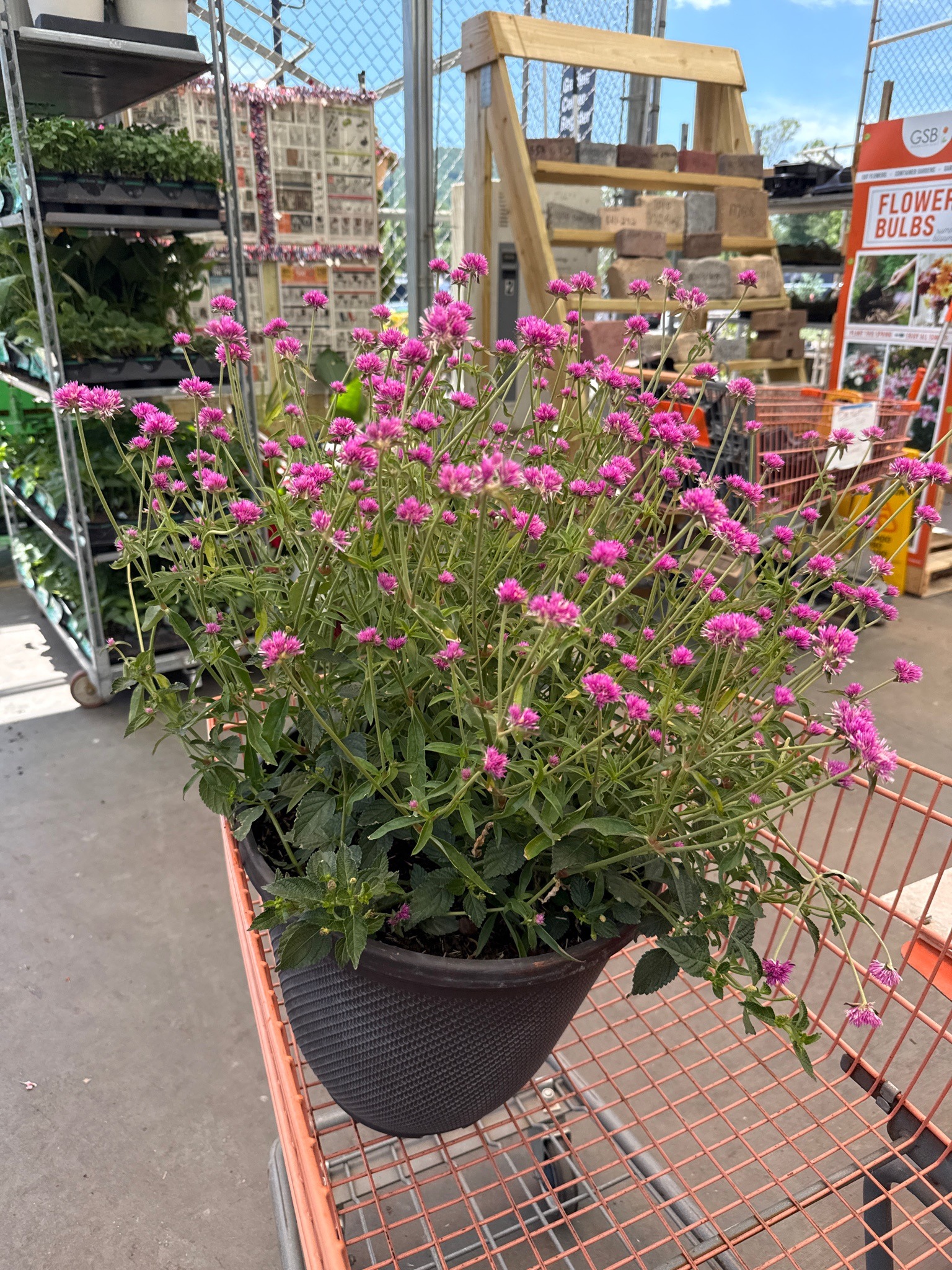
A bushy annual known for its papery, clover-like flower heads in shades of magenta, purple, pink, and white. The flowers are actually stiff bracts that maintain their color even when dried.
Care Instructions
Plant in a sunny spot with well-draining soil. Water regularly until established, after which it is quite drought-tolerant. Apply a balanced fertilizer monthly during the growing season and deadhead spent blooms to encourage more flowers.
Medicinal Value
We do not currently provide medicinal value for plant identifications.
Sunlight
Full sun, at least 6 to 8 hours per day for best flowering.
Watering
Moderate watering; allow the top inch of soil to dry out between waterings. Drought-tolerant once established but performs best with regular moisture.
Soil
Well-drained soil of average fertility; prefers slightly acidic to neutral pH (6.1 to 7.5).
Hardiness Zone
USDA zones 2-11 (grown as an annual in most regions); heat tolerant.
Growth Habit
Upright, mounding annual. Typically grows 1 to 2 feet tall and 1 foot wide. Features stiff, branched stems and oval green leaves.
Bloom Season
Early summer through first frost. Produces globular, papery bracts mostly in magenta, but also red, orange, and white.
Toxicity
Generally considered non-toxic to humans, dogs, cats, and horses.
Propagation
Propagated by seeds sown indoors 6-8 weeks before the last frost or directly in the garden after the soil warns. Can also be grown from cuttings.
Common Pests & Issues
Generally pest-free, though occasionally susceptible to powdery mildew or leaf spot if air circulation is poor.
Similar Species
Bachelor's Button (Centaurea cyanus) which has more fringed petals, or Pink Pussytoes (Antennaria dioica) which is a low-growing groundcover.
Interesting Facts
The 'flowers' are actually modified leaves called bracts. Because they retain their color and shape for a long time after being cut, they are a favorite for dried floral arrangements and everlasting bouquets.
Created At: 2026-05-19T16:49:57.585993