
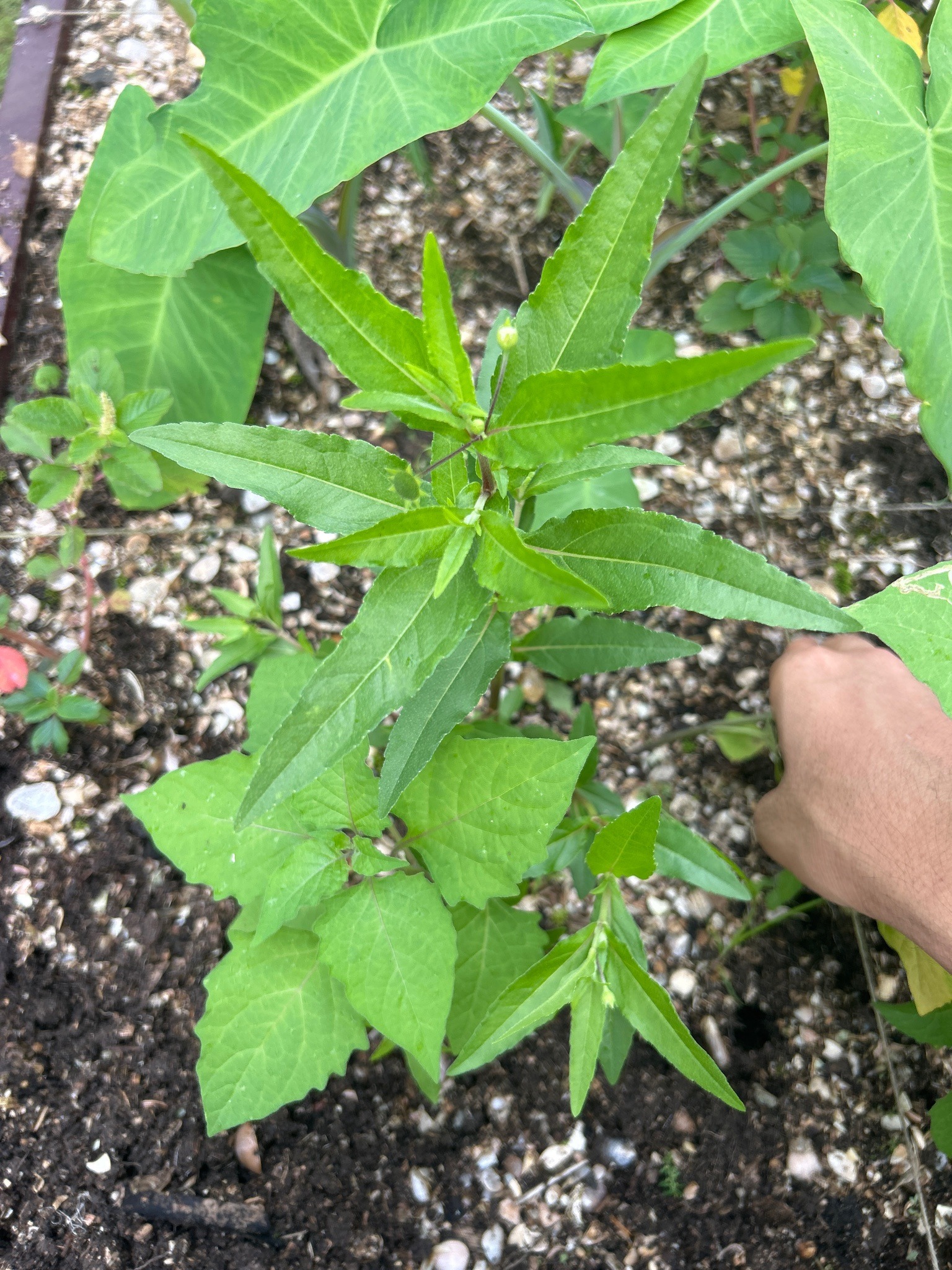
American Burnweed
Erechtites hieraciifolius
An upright annual herb often considered a weed, characterized by its serrated, lance-shaped leaves and terminal clusters of inconspicuous, cylindrical green flower heads that produce white thistle-like fluff.
- Light
- Full sun to partial shade (4-6+ hours of light per day)
- Water
- Moist to wet conditions; it prefers damp soil but is somewhat drought-tolerant once established.
- Growth
- Annual; erect, tall growth reaching 2 to 8 feet; rapid growth rate.
Care instructions
Requires very little care as it is an opportunistic pioneer species. Thrives in disturbed soils with full to partial sun and consistent moisture.
Growing details
Sunlight
Full sun to partial shade (4-6+ hours of light per day)
Watering
Moist to wet conditions; it prefers damp soil but is somewhat drought-tolerant once established.
Soil
Adaptable to various soils (loam, clay, sand), preferring nutrient-rich, moist, disturbed ground with a neutral pH.
Hardiness zone
Zones 3-11
Growth habit
Annual; erect, tall growth reaching 2 to 8 feet; rapid growth rate.
Bloom season
Mid-summer to autumn; small yellow/green florets in cylindrical heads that do not fully open.
Propagation
Propagates easily by wind-dispersed seeds in late summer and fall.
Common pests & issues
Highly resistant to most pests and diseases; its main issue is becoming invasive in garden settings.
Similar species
Fireweed (Chamaenerion angustifolium) has pink flowers; Lettuce (Lactuca) species have milky sap and different leaf serrations.