
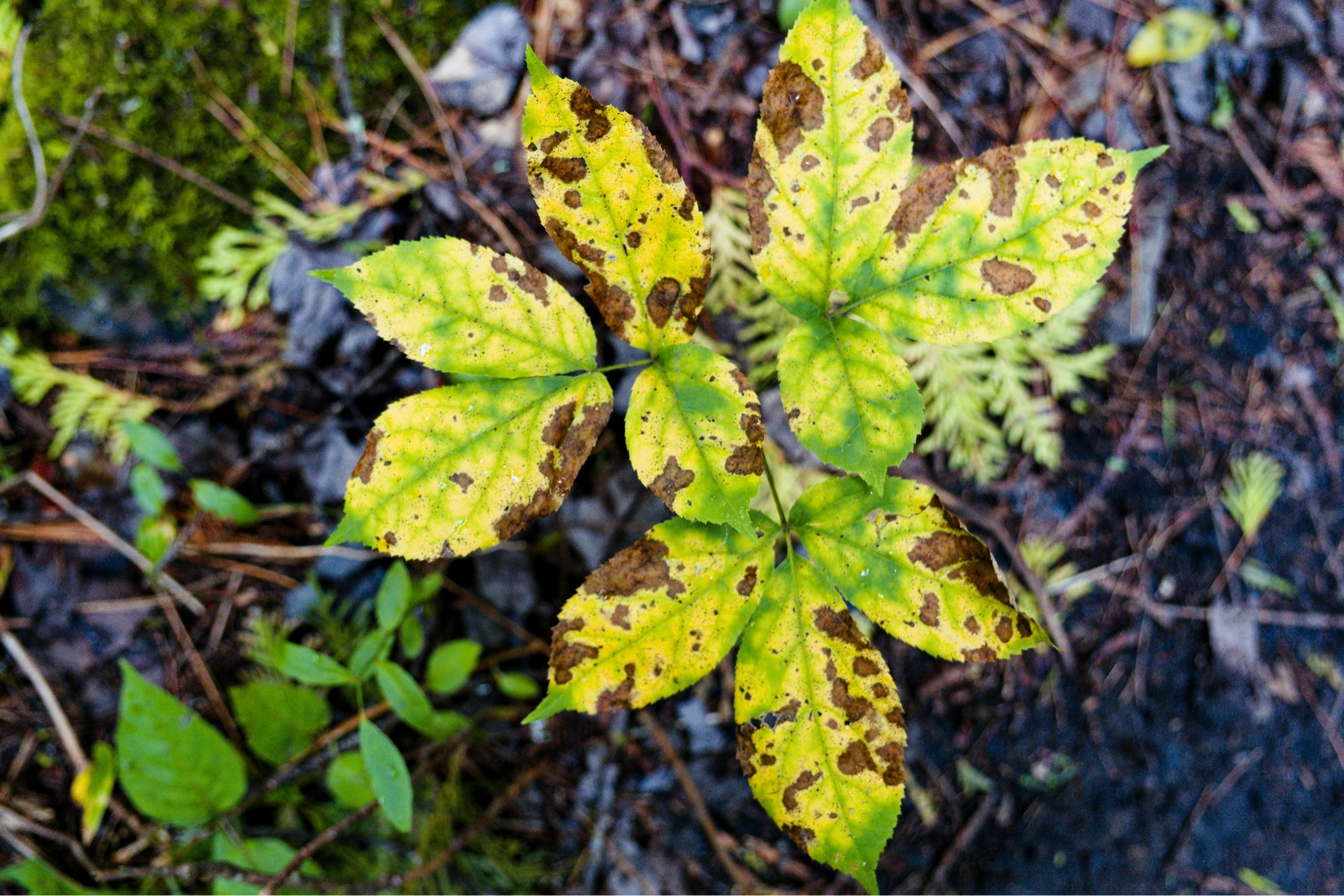
Bitternut Hickory
Carya cordiformis
A medium to large deciduous tree known for its compound leaves and distinctive bright mustard-yellow winter buds. The foliage consists of 7 to 11 leaflets that turn yellow in autumn.
- Light
- Full sun to partial shade; prefers at least 6 hours of direct sunlight per day for optimal growth.
- Water
- Moderate; develops a deep taproot that makes it somewhat drought-tolerant once established, but it prefers consistent moisture in its youth.
- Growth
- Large deciduous perennial tree with a slender, cylindrical crown. Reaches heights of 60 to 80 feet (occasionally 100 feet). Growth rate is medium to fast for a hickory.
Care instructions
This tree grows best in moist, well-draining soils and is often found in river bottoms. It is relatively low maintenance once established but requires significant space for its large root system and canopy.
Growing details
Sunlight
Full sun to partial shade; prefers at least 6 hours of direct sunlight per day for optimal growth.
Watering
Moderate; develops a deep taproot that makes it somewhat drought-tolerant once established, but it prefers consistent moisture in its youth.
Soil
Prefers rich, moist, loamy soils but is remarkably adaptable to various soil types including heavy clay; pH range of 5.5 to 7.2.
Hardiness zone
Zones 4 to 9
Growth habit
Large deciduous perennial tree with a slender, cylindrical crown. Reaches heights of 60 to 80 feet (occasionally 100 feet). Growth rate is medium to fast for a hickory.
Bloom season
Spring (April–May); produces inconspicuous greenish-yellow catkins.
Propagation
Propagated mainly by seed (nuts) which require a period of cold stratification. It is difficult to transplant due to a long taproot.
Common pests & issues
Subject to Hickory Bark Beetle and occasional leaf spot fungi (as seen in the image). Anthracnose can also cause spotting and premature leaf drop in wet springs.
Similar species
Shagbark Hickory (Carya ovata) has shaggy bark and fewer leaflets (usually 5). Pignut Hickory (Carya glabra) typically has 5-7 leaflets and lacks the bright yellow winter buds.