Japanese Flowering Cherry (Sakura)
Scientific Name: Prunus serrulata
Plant Family: Rosaceae
Native Region: East Asia, including Japan, Korea, and China; widely cultivated globally in temperate zones.
Brief Description
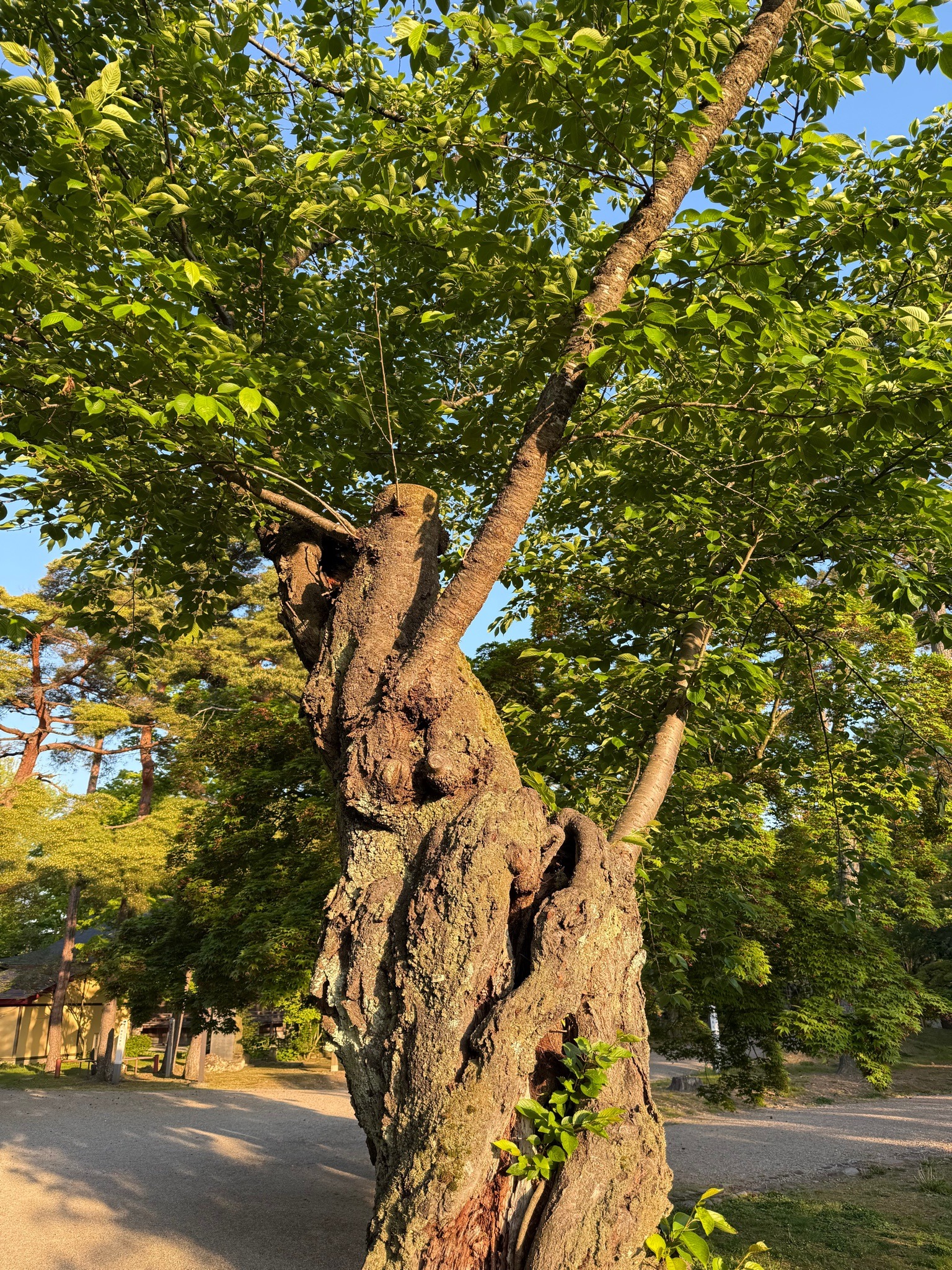
A deciduous tree known for its spectacular spring blossoms, featuring serrated ovate leaves and distinctive horizontal lenticels on its smooth to deeply fissured brownish-grey bark.
Care Instructions
Thrives in full sun and well-drained soil. Maintain consistent moisture without waterlogging. Prune in late summer to avoid silver leaf disease. Feed with a balanced fertilizer in early spring.
Medicinal Value
We do not currently provide medicinal value for plant identifications.
Sunlight
Full sun preferred (6-8 hours daily) for best blooming and disease resistance.
Watering
Moderate watering needs. Requires regular watering during dry spells, especially when young. Drought-tolerant once established but prefers consistent moisture.
Soil
Loamy, well-draining soil; adaptable to acidic or slightly alkaline pH levels.
Hardiness Zone
USDA Zones 5-8
Growth Habit
Periduous tree with an upright, spreading, or weeping vase-like habit. Typically reaches 15-25 feet in height and spread.
Bloom Season
Early to mid-spring. Flowers are white to pink, single or double-petaled, and often mildly fragrant.
Toxicity
The fruit is generally safe but the pits, leaves, and bark contain cyanogenic glycosides, which are toxic to humans, dogs, cats, and horses if ingested.
Propagation
Commonly propagated through softwood cuttings in summer or by grafting specific cultivars onto hardy rootstock.
Common Pests & Issues
Prone to aphids, scale insects, and spider mites. Vulnerable to fungal diseases like shot hole, powdery mildew, and leaf spot.
Similar Species
Yoshino Cherry (Prunus x yedoensis) has paler, almost white blossoms; Japanese Plum (Prunus mume) blooms much earlier in late winter.
Interesting Facts
In Japan, the blooming of the Sakura represents the transience of life. The famous cherry trees in Washington D.C. were a gift from Japan in 1912.
Created At: 2026-05-13T15:53:44.029463