
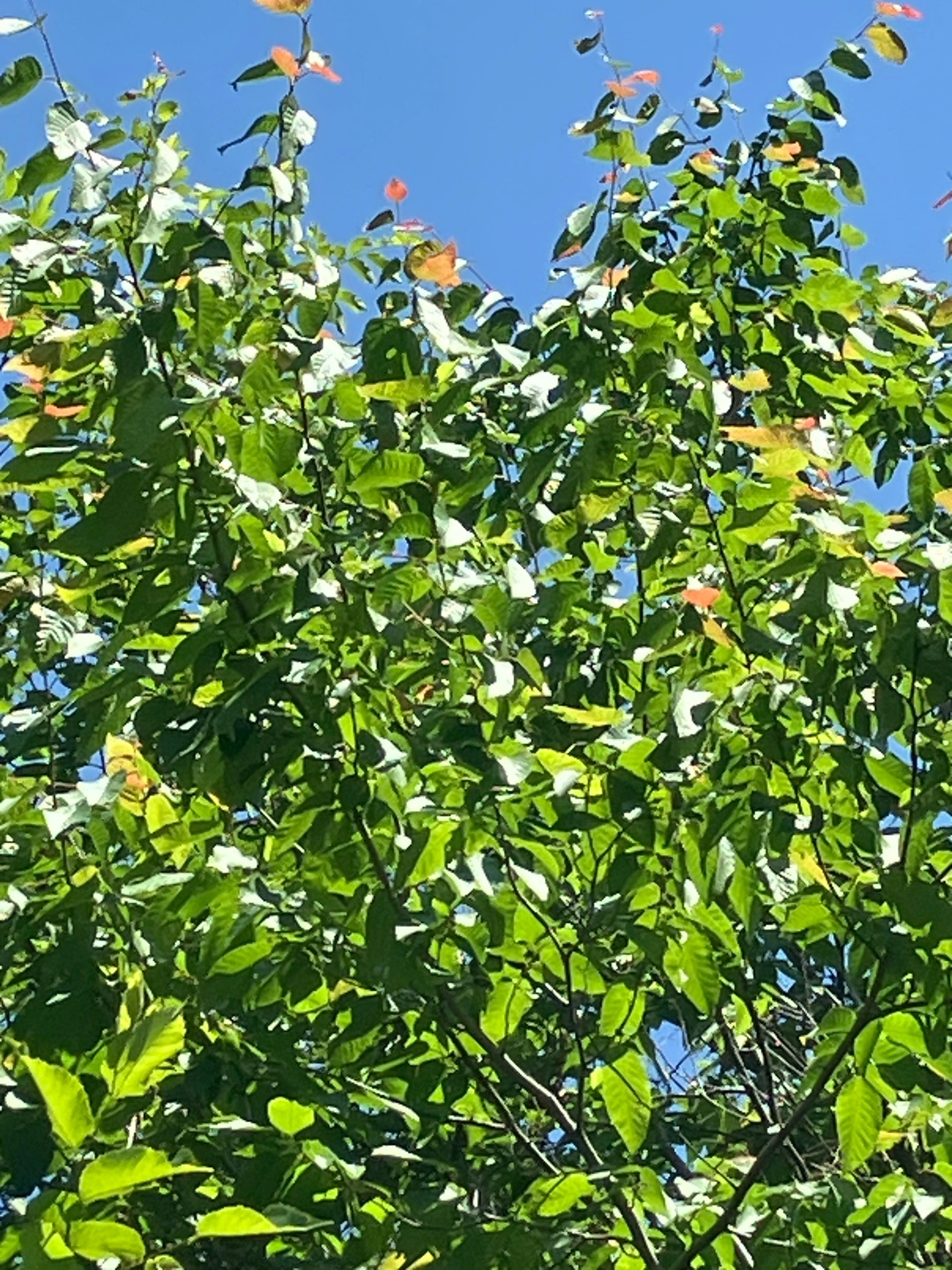
Chinese Croton
Excoecaria cochinchinensis
A tropical evergreen shrub known for its striking bicolored leaves: glossy bright green on top and deep maroon or crimson red underneath.
- Light
- Partial shade or indirect bright light; harsh direct sun can scorch the leaves, while too little light fades the red undersides.
- Water
- Requires regular watering to keep the soil moist; it is not drought-tolerant. Wilting is a sign of underwatering.
- Growth
- Evergreen perennial shrub, typically reaching 3 to 6 feet in height and spreading 3 to 4 feet wide. Growth rate is moderate.
Care instructions
Thrives in warm, humid conditions with filtered light. Keep soil consistently moist but well-drained. Fertilize lightly during the growing season.
Growing details
Sunlight
Partial shade or indirect bright light; harsh direct sun can scorch the leaves, while too little light fades the red undersides.
Watering
Requires regular watering to keep the soil moist; it is not drought-tolerant. Wilting is a sign of underwatering.
Soil
Rich, loamy, well-draining soil with a slightly acidic to neutral pH (5.5-7.0).
Hardiness zone
USDA Zones 10-11; sensitive to frost and cool temperatures below 50°F (10°C).
Growth habit
Evergreen perennial shrub, typically reaching 3 to 6 feet in height and spreading 3 to 4 feet wide. Growth rate is moderate.
Bloom season
Produces small, inconspicuous greenish flowers on tiny spikes, usually in late spring or summer; not prized for its bloom.
Propagation
Propagated via softwood stem cuttings in spring or summer, ideally using a rooting hormone and high humidity.
Common pests & issues
Susceptible to mealybugs, spider mites, and scale insects. Overwatering can lead to root rot.
Similar species
Often confused with other Crotons (Codiaeum variegatum), but distinguishable by its specific two-toned green/red leaf structure and narrower leaves.