Petunia
Scientific Name: Petunia × atkinsiana
Plant Family: Solanaceae
Native Region: South America (specifically Argentina, Brazil, and Uruguay)
Brief Description
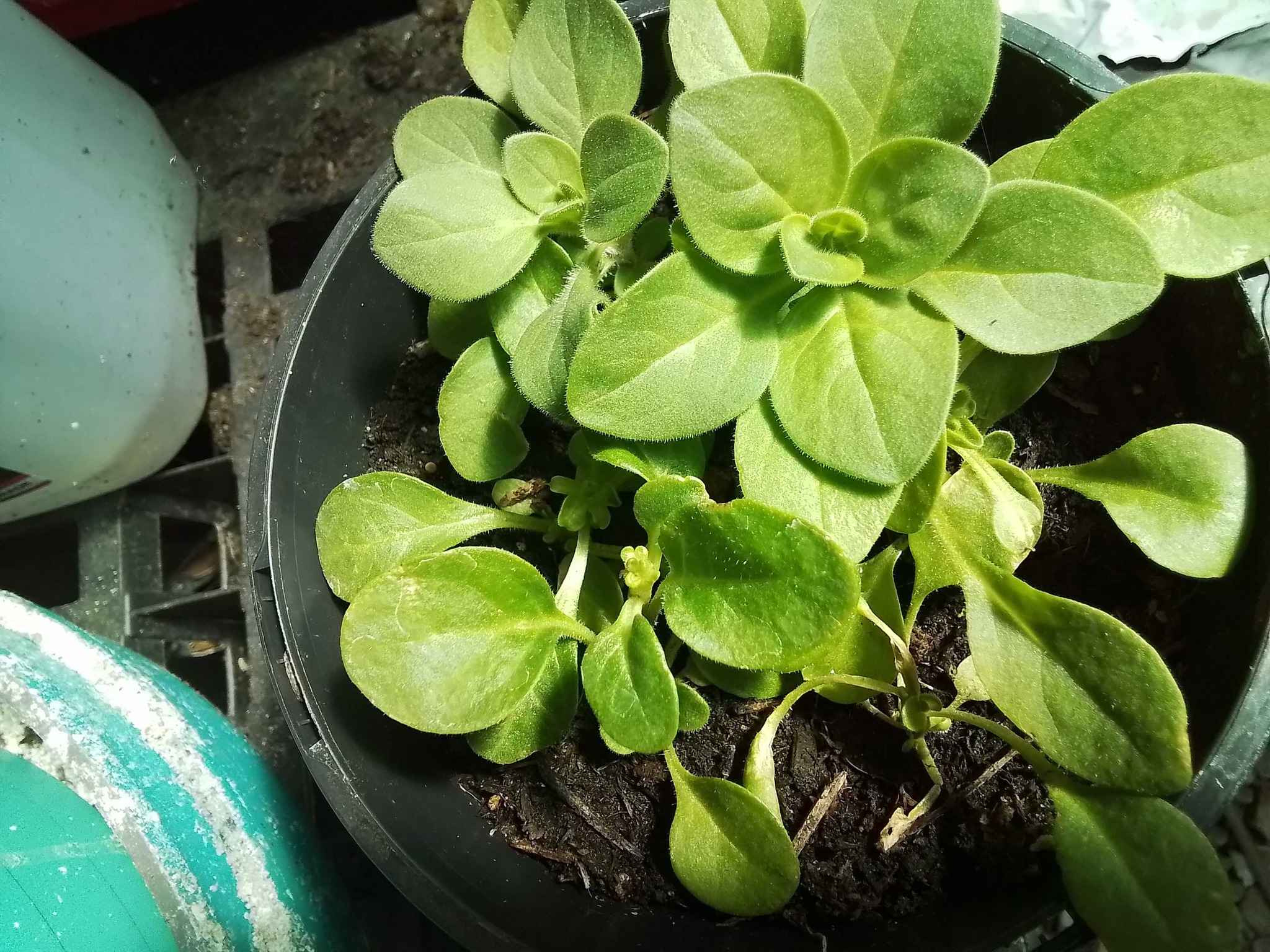
Petunias are popular flowering plants known for their broad, trumpet-shaped flowers and slightly fuzzy, oval-to-heart-shaped green leaves that are often sticky to the touch.
Care Instructions
Petunias thrive in full sun and require well-draining soil. They need regular watering and frequent fertilization, especially during the peak blooming season. Deadheading spent blooms encourages continuous flowering.
Medicinal Value
We do not currently provide medicinal value for plant identifications.
Sunlight
Full sun for at least 6 to 8 hours daily for maximum flower production.
Watering
Moderate; water when the top inch of soil feels dry. They prefer consistent moisture but do not like 'wet feet' or soggy soil.
Soil
Light, well-draining soil rich in organic matter with a pH of 6.0 to 7.0.
Hardiness Zone
USDA zones 9-11 as perennials; typically grown as annuals elsewhere.
Growth Habit
Mounding or trailing herbaceous annual; grows 6–18 inches tall and spreads 12–36 inches wide.
Bloom Season
Spring through the first frost; flowers come in various colors including purple, pink, white, and red.
Toxicity
Mildly toxic to dogs, cats, and horses if ingested in large quantities due to alkaloids, but generally considered safe in gardens.
Propagation
Typically grown from seeds started indoors 10-12 weeks before frost, or via softwood cuttings in late summer.
Common Pests & Issues
Susceptible to aphids, slugs, and budworms; diseases include gray mold (botrytis), powdery mildew, and root rot if overwatered.
Similar Species
Calibrachoa (Million Bells), which has smaller flowers and leaves and is not sticky; Surfinia, which is a specific brand of trailing petunia.
Interesting Facts
Petunias are closely related to tobacco, tomatoes, and potatoes. They were first discovered by Western botanists in the late 18th century.
Created At: 2026-05-01T11:34:53.433502