Wax Begonia
Scientific Name: Begonia x semperflorens-cultorum
Plant Family: Begoniaceae
Native Region: South America (specifically Brazil), now widely cultivated worldwide as an ornamental bedding plant.
Brief Description
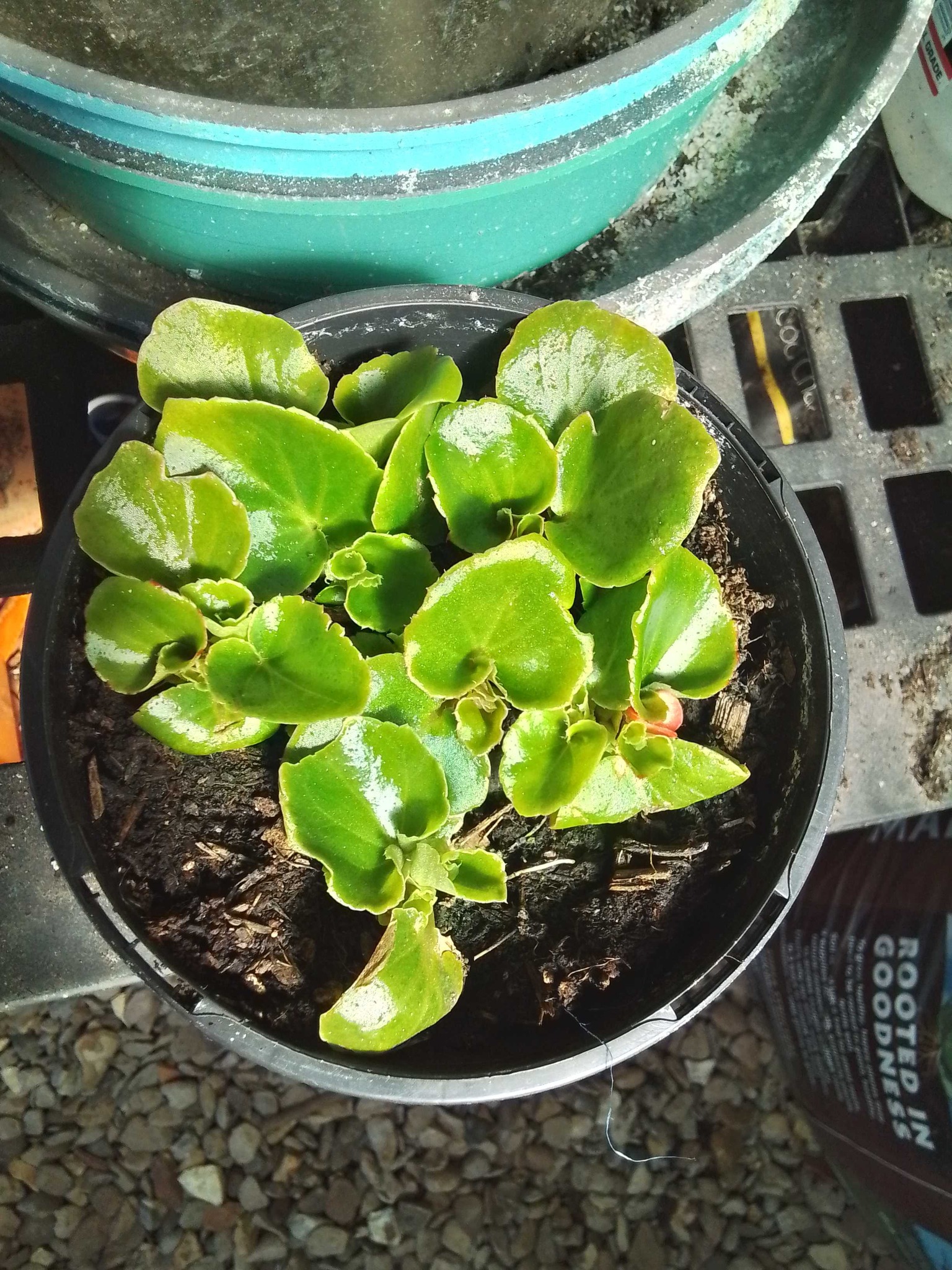
Compact, mounding herbaceous plants with succulent, glossy green or bronze leaves that are rounded and slightly waxy. They produce small clusters of four-petaled flowers.
Care Instructions
Provide bright indirect light or morning sun with afternoon shade. Keep soil consistently moist but never soggy. Feeds every 2-4 weeks with a balanced liquid fertilizer during the growing season.
Medicinal Value
We do not currently provide medicinal value for plant identifications.
Sunlight
Partial shade to full shade. In cooler climates, they can handle full morning sun, but intense afternoon sun can scorch the leaves.
Watering
Water when the top inch of soil feels dry. They prefer even moisture but are susceptible to root rot if overwatered. Avoid getting water on the leaves to prevent fungal issues.
Soil
Rich, well-draining, slightly acidic soil (pH 5.5-6.5). Peat-based potting mixes are ideal.
Hardiness Zone
USDA Zones 10-11 as a perennial; grown as a summer annual in cooler climates.
Growth Habit
Mounding perennial (often grown as an annual); typically reaches 6-12 inches in height and spread.
Bloom Season
Spring until the first frost in autumn. Flowers can be red, pink, or white with yellow centers.
Toxicity
Toxic to dogs, cats, and horses. Contains soluble calcium oxalates which cause oral irritation, drooling, and vomiting. The most toxic part is the underground tubers/roots.
Propagation
Easily propagated by stem cuttings in water or soil, or by seed (though seeds are dust-like and difficult to handle).
Common Pests & Issues
Susceptible to powdery mildew, botrytis, and root rot if kept too wet. Pests include aphids, mealybugs, and spider mites.
Similar Species
Tuberous Begonia (Begonia x tuberhybrida) has larger flowers and different leaf shapes; Rex Begonia has ornamental, colorful foliage but less significant flowers.
Interesting Facts
The species name 'semperflorens' means 'ever-flowering,' referring to its exceptionally long bloom period.
Created At: 2026-05-01T11:28:25.671820