
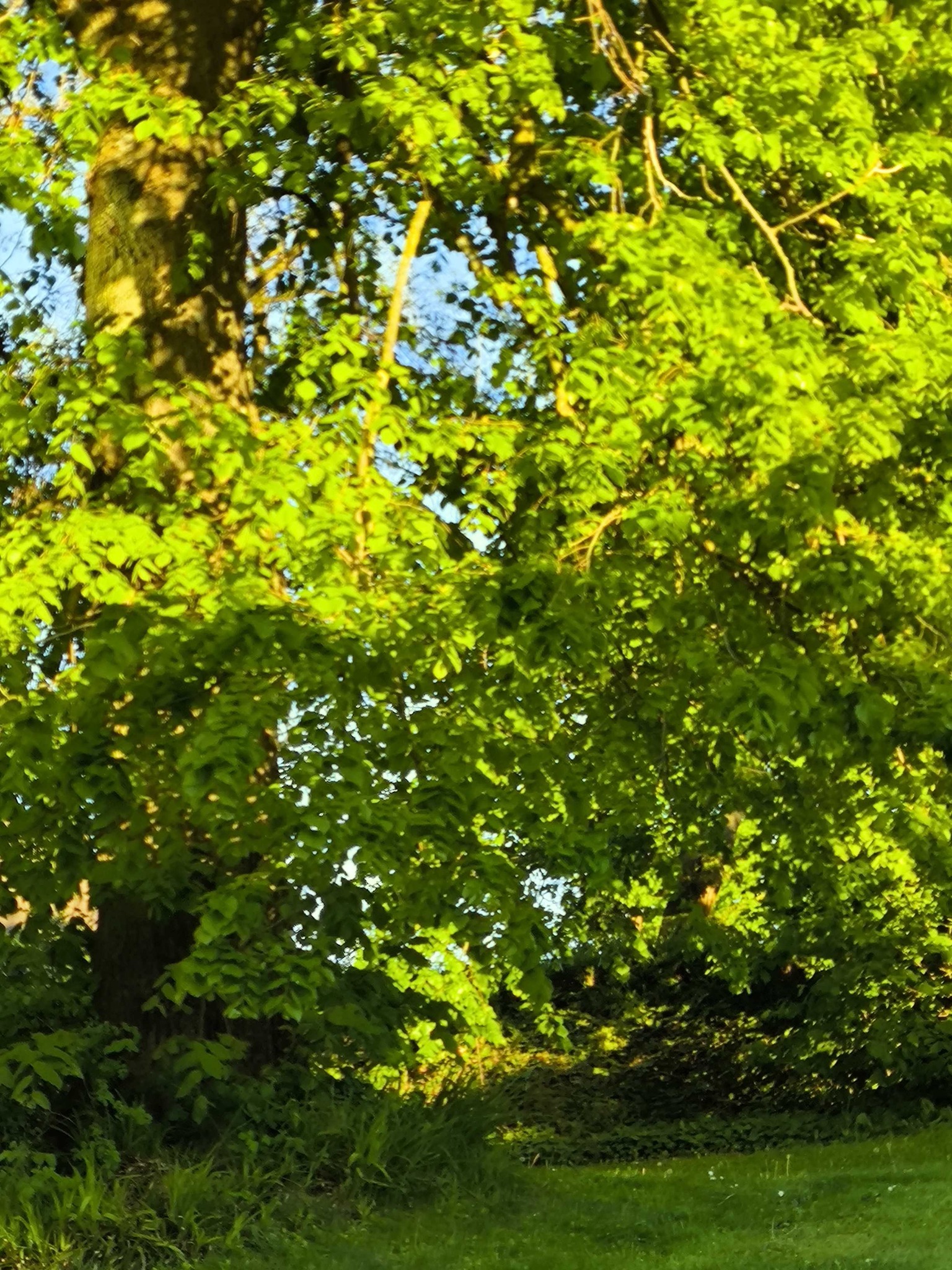
European Ash
Fraxinus excelsior
A large deciduous tree known for its airy canopy of compound leaves and distinctive black buds in winter. It has grey bark that becomes fissured with age.
- Light
- Full sun (at least 6 hours of direct sunlight per day); semi-shade is tolerated in youth.
- Water
- Moderate; young trees need regular watering to establish. Once mature, it is relatively drought-resistant but prefers moist soil.
- Growth
- Deciduous perennial tree; tall and upright with a domed crown. Can reach heights of 25-35 meters with a similar spread.
Care instructions
Once established, ash trees are low-maintenance. They require a sunny location and deep, moist, well-drained soil. Minimal pruning is needed unless branches are dead or diseased.
Growing details
Sunlight
Full sun (at least 6 hours of direct sunlight per day); semi-shade is tolerated in youth.
Watering
Moderate; young trees need regular watering to establish. Once mature, it is relatively drought-resistant but prefers moist soil.
Soil
Deep, fertile, moist, and well-drained soils; prefers alkaline to neutral pH (6.5 to 8.0).
Hardiness zone
Zones 4 to 7
Growth habit
Deciduous perennial tree; tall and upright with a domed crown. Can reach heights of 25-35 meters with a similar spread.
Bloom season
Early spring before the leaves emerge; flowers are small, dark purple/green and lack petals.
Propagation
Primarily by seed (which often requires cold stratification) or by hardwood cuttings.
Common pests & issues
Highly susceptible to Ash Dieback (Hymenoscyphus fraxineus), a fungal disease. Emerald Ash Borer is a significant pest in North America.
Similar species
Mountain Ash (Sorbus aucuparia), which has serrated leaflets and orange berries; and other Ash species like Fraxinus americana (White Ash) which has different bud colors.