Jerusalem Artichoke
Scientific Name: Helianthus tuberosus
Plant Family: Asteraceae
Native Region: Central North America, from eastern Canada and Maine west to North Dakota, and south to northern Florida and Texas
Brief Description
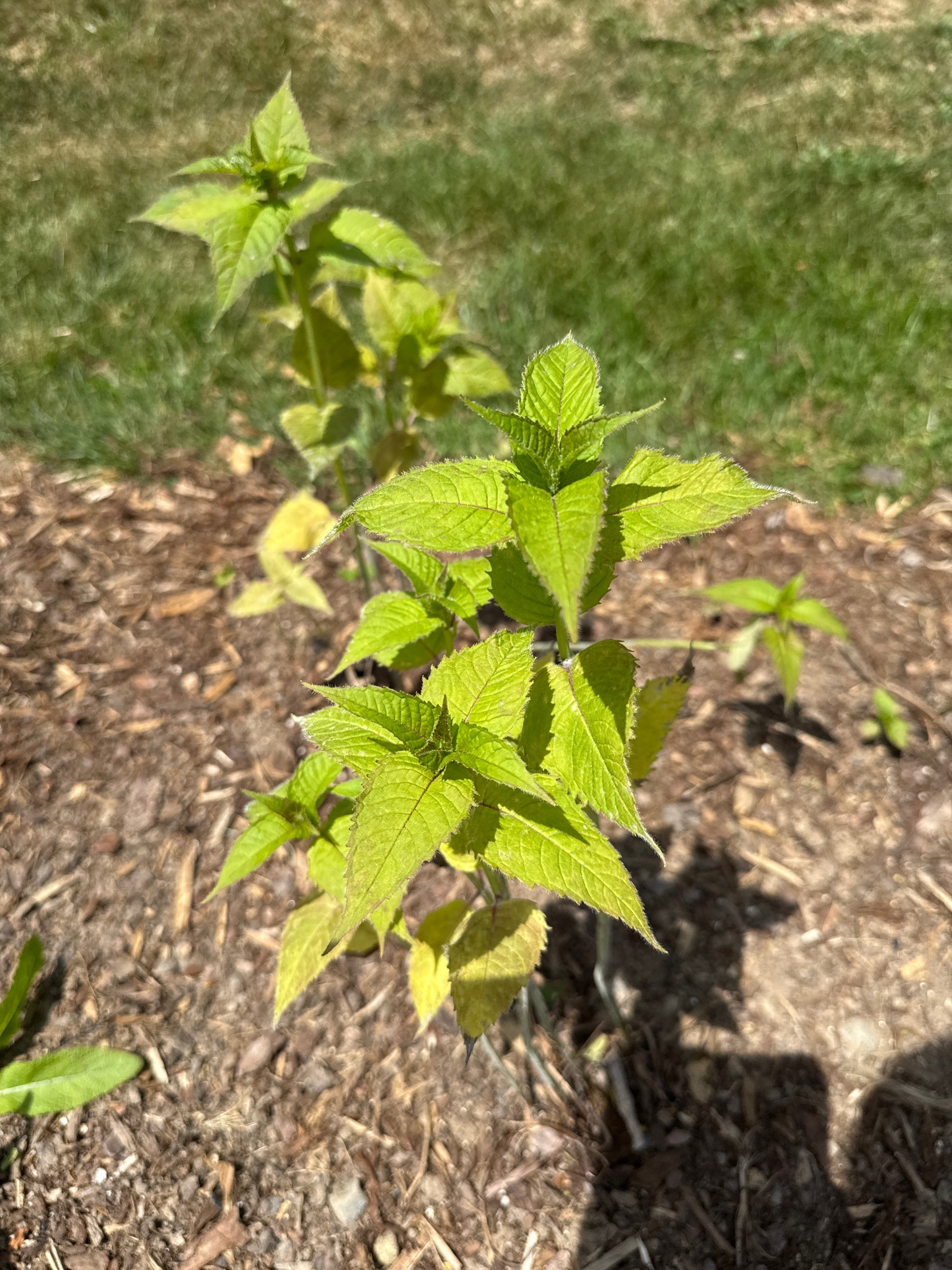
A tall perennial sunflower species with rough, hairy stems and leaves. It is primarily known for its edible underground tubers which resemble ginger roots.
Care Instructions
This is a very hardy, vigorous plant. Provide full sun and well-draining soil. It requires little maintenance once established but can become invasive if the tubers are not harvested or contained.
Medicinal Value
We do not currently provide medicinal value for plant identifications.
Sunlight
Full sun (6+ hours per day) is best, though it can tolerate partial shade.
Watering
Moderate; requires regular watering during the first year, but is moderately drought-tolerant once established. Over-watering can cause tuber rot.
Soil
Prefers loose, well-draining soil with a pH of 6.5 to 7.5, though it is highly adaptable to various soil types including clay.
Hardiness Zone
USDA zones 3 to 9
Growth Habit
Herbaceous perennial; grows rapidly to heights of 5 to 10 feet with a spread of 2 to 3 feet.
Bloom Season
Late summer to fall (August-October); produces bright yellow sunflower-like blooms about 2 inches across.
Toxicity
Generally non-toxic to humans and pets, though the high inulin content in the tubers can cause significant flatulence and digestive upset in some humans.
Propagation
Most easily propagated by planting the tubers in early spring or fall. It can also be grown from seed, though this is less common.
Common Pests & Issues
Aphids, rust, and powdery mildew are common. Its vigor can also make it a weed issue in gardens if not managed.
Similar Species
Common Sunflower (Helianthus annuus) which has larger heads and is annual, or Sawtooth Sunflower (Helianthus serratus) which has narrower leaves.
Interesting Facts
Despite its name, it has nothing to do with Jerusalem; the name is believed to be a corruption of the Italian word for sunflower, 'girasole'. It was a staple food for many Native American tribes.
Created At: 2026-05-16T18:23:17.765630