Silk Floss Tree
Scientific Name: Ceiba speciosa
Plant Family: Malvaceae
Native Region: Tropical and subtropical forests of South America (Brazil, Paraguay, Bolivia, Argentina)
Brief Description
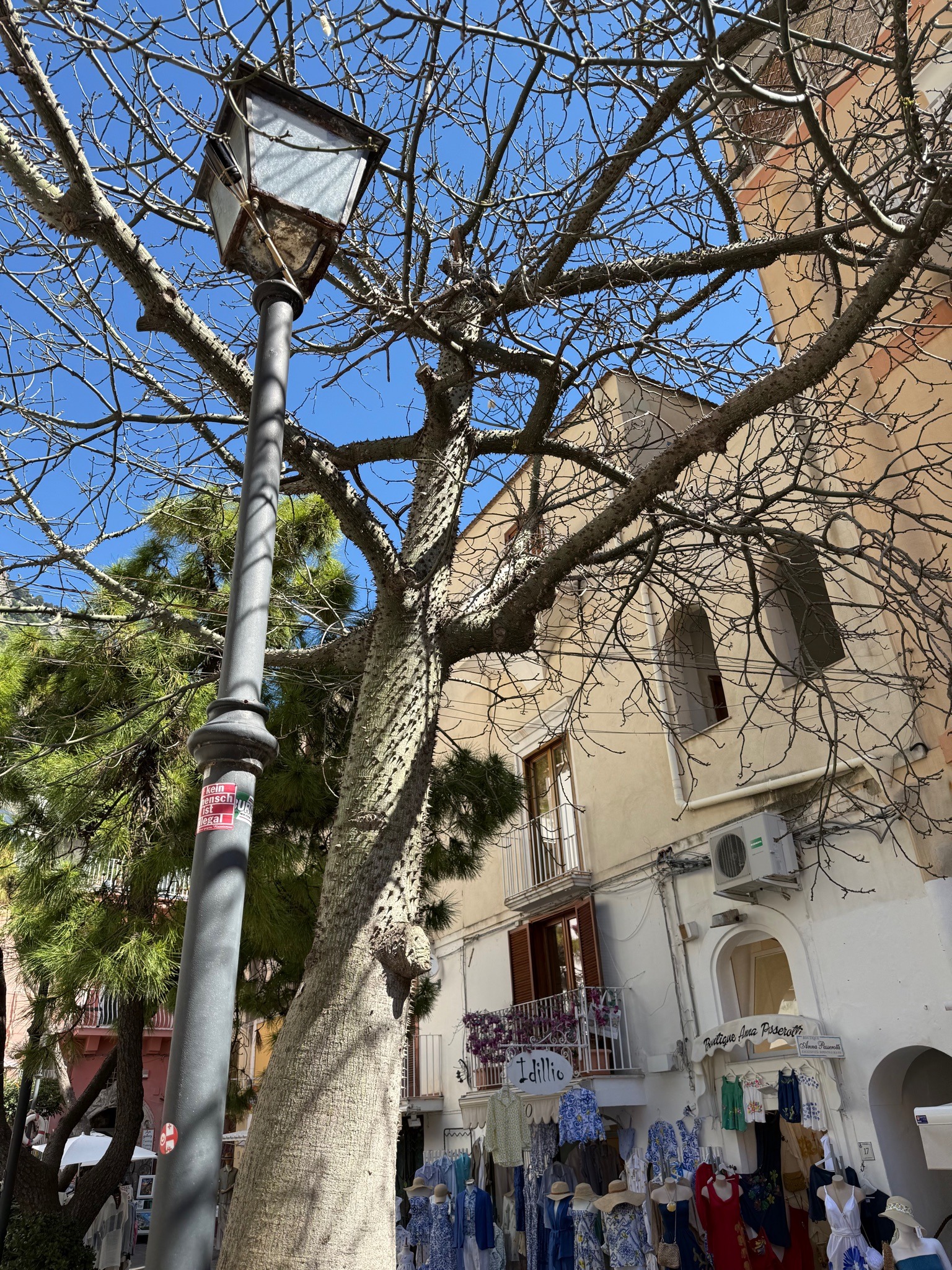
A deciduous tree known for its bottle-shaped trunk studded with thick, conical woody prickles and large pink-to-magenta hibiscus-like flowers.
Care Instructions
Provide full sun and well-draining soil. Water regularly while young, but older trees are drought-tolerant. Prune primarily to remove dead wood.
Medicinal Value
We do not currently provide medicinal value for plant identifications.
Sunlight
Full sun, at least 6 to 8 hours per day.
Watering
Moderate; water deeply during dry spells. Once established, it is fairly drought-tolerant. Avoid waterlogged soil.
Soil
Well-drained, fertile soil; can tolerate acidic to slightly alkaline pH.
Hardiness Zone
9b to 11
Growth Habit
Deciduous tree with a fast growth rate, reaching 40 to 60 feet in height and 30 to 45 feet in spread.
Bloom Season
Late summer to winter; produces large, five-petaled pink or purple flowers with yellowish-white centers.
Toxicity
Generally non-toxic to humans and common pets, though the sharp trunk spines pose a physical injury risk.
Propagation
Most commonly by seed; can also be propagated through semi-hardwood cuttings.
Common Pests & Issues
Scale insects and mealybugs; root rot if kept in excessively wet soil.
Similar Species
Ceiba pentandra (Kapok tree), which has similar thorns and floss but typically white or cream-colored flowers and a more massive spread.
Interesting Facts
The trunk stores water to survive dry periods, which causes it to bulge at the base, earning it the nickname 'Palo Borracho' (Drunken Stick) in parts of South America.
Created At: 2026-05-03T18:02:44.397353