Kaleidoscope Abelia
Scientific Name: Abelia x grandiflora 'Kaleidoscope'
Plant Family: Caprifoliaceae (Honeysuckle family)
Native Region: The parent species are native to China; this specific cultivar was developed in a nursery.
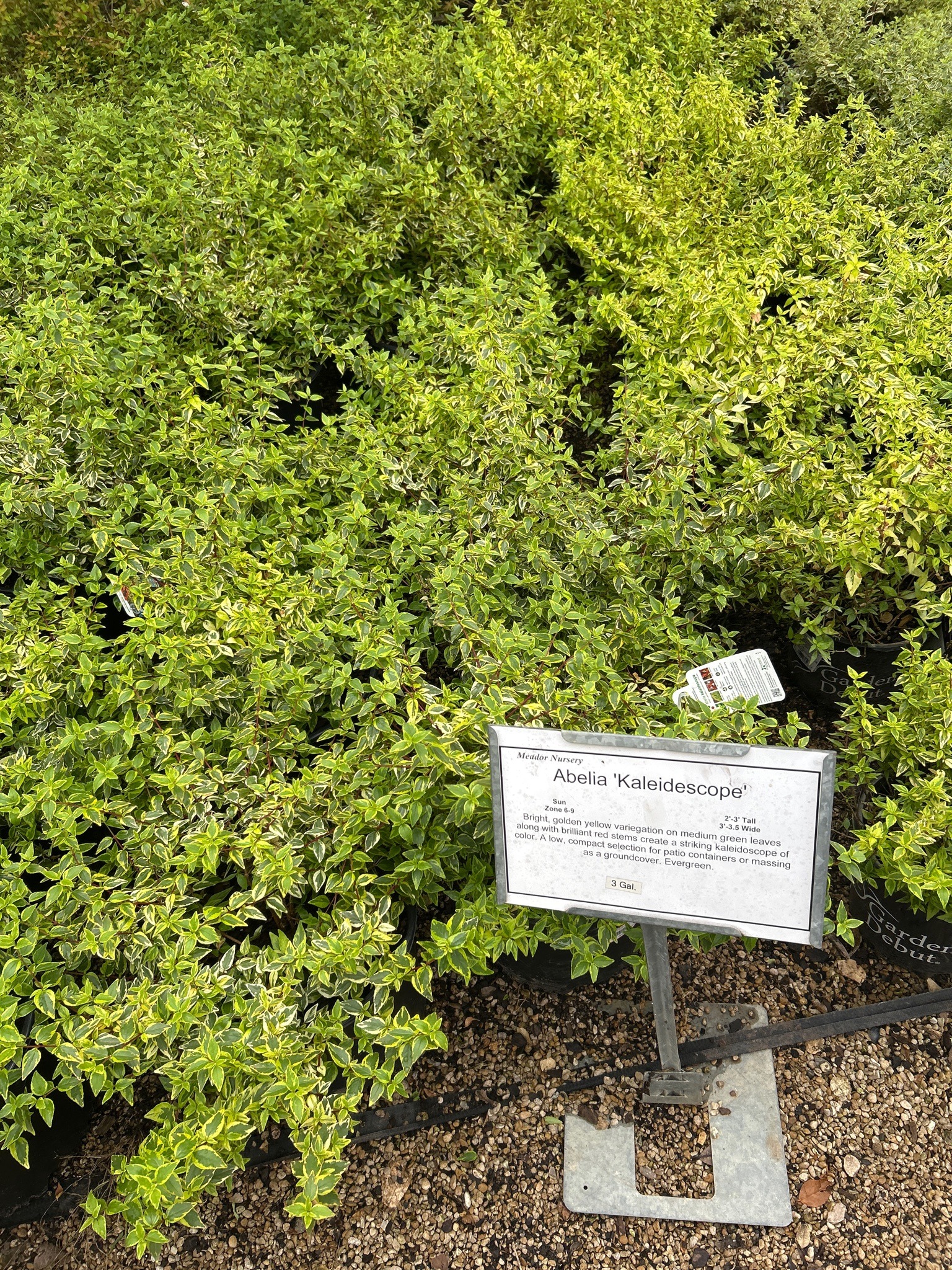
Brief Description
A low-growing, compact semi-evergreen shrub known for its variegated foliage that changes from golden-yellow in spring to orange-red in autumn. It features reddish stems and small, fragrant white flowers.
Care Instructions
Plant in a sunny spot for the best foliage color. Maintain consistent moisture while the plant is establishing, then water weekly. Prune in late winter or early spring to shape and apply a balanced slow-release fertilizer annually in spring.
Medicinal Value
We do not currently provide medicinal value for plant identifications.
Sunlight
Full sun to partial shade; at least 6 hours of sun is required for the most vibrant leaf colors.
Watering
Average water needs; water regularly during the first growing season. Once established, it is moderately drought-tolerant. Avoid waterlogged soil.
Soil
Well-drained, acidic to neutral soil. Prefers moist, loamy soil enriched with organic matter.
Hardiness Zone
USDA zones 6 through 9.
Growth Habit
Compact, mounded perennial shrub. Reaches a mature height of 2-3 feet and a spread of 3-4 feet. Slow to moderate growth rate.
Bloom Season
Blooms from mid-summer through autumn with bell-shaped, light pink to white fragrant flowers.
Toxicity
Generally considered non-toxic to humans, dogs, and cats, making it a safe choice for family gardens.
Propagation
Propagated via softwood cuttings in summer or semi-hardwood cuttings in late summer/autumn.
Common Pests & Issues
Relatively pest and disease-free. Occasional issues include root rot in poorly drained soil or aphids/whiteflies in crowded conditions.
Similar Species
Abelia x grandiflora 'Confetti' (has white/cream variegation rather than yellow) and Abelia 'Edward Goucher' (has lilac-pink flowers and darker green leaves).
Interesting Facts
The name 'Kaleidoscope' refers to the changing leaf colors throughout the seasons. Abelias are highly attractive to pollinators like butterflies and hummingbirds.
Created At: 2026-05-19T17:37:16.088050