Paper Spine Cactus
Scientific Name: Tephrocactus articulatus var. papyracanthus
Plant Family: Cactaceae
Native Region: Western Argentina
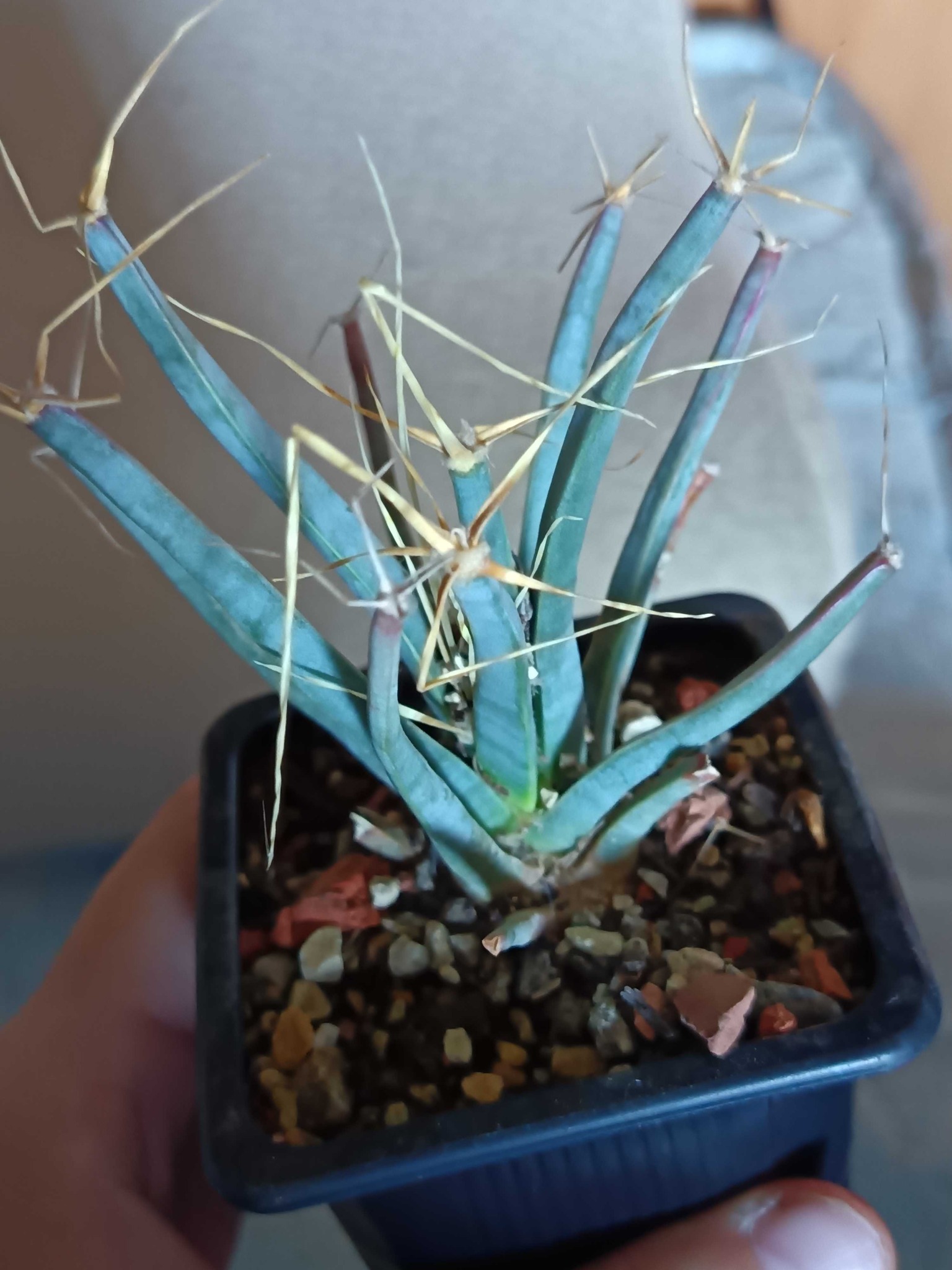
Brief Description
A unique, clump-forming cactus characterized by distinct segmented, cylindrical bluish-green stems and long, flexible, flattened spines that resemble strips of raffia or paper.
Care Instructions
Provide bright, direct light for several hours daily. Use a very gritty, fast-draining cactus mix. Water only when the soil is completely dry, and significantly reduce watering in the winter. Avoid overwatering to prevent root rot.
Medicinal Value
We do not currently provide medicinal value for plant identifications.
Sunlight
Full sun to bright indirect light; requires at least 6 hours of direct sunlight per day for optimal growth and spine development.
Watering
Low water needs. Soak the soil thoroughly and allow it to dry out completely before watering again. During dormancy in winter, water only once every 1-2 months.
Soil
Requires excellent drainage. Use a mineral-heavy soil mix with 70-80% grit, perlite, or pumice and 20-30% organic matter. Ideal pH is 6.0 to 7.5.
Hardiness Zone
8b to 10b (Minimum temperature of 15-20°F or -9 to -6°C). Must be kept dry if exposed to frost.
Growth Habit
Perennial succulent. Slow-growing, segmented stems that stack upon each other. Mature plants can reach 12 inches (30 cm) in height and spread.
Bloom Season
Spring and early summer; produces relatively large, bell-shaped white or light pink flowers with yellow centers.
Toxicity
Generally considered non-toxic to humans, dogs, and cats, but the flexible spines can still cause mechanical irritation if ingested or handled roughly.
Propagation
Easily propagated through stem segments. Allow a segment to dry and callous over for several days before placing it on top of dry cactus soil.
Common Pests & Issues
Highly susceptible to root rot if overwatered. Mealybugs and spider mites may occasionally infest the joints between segments.
Similar Species
Tephrocactus articulatus var. inermis (spines are absent) and Tephrocactus alexanderi (has more traditional, stiff spines). It is distinguished by its papery, flat spines.
Interesting Facts
The 'spines' of this cactus are actually modified leaves that have become flat and flexible to provide shade for the plant and reflect sunlight in its harsh native habitat.
Created At: 2026-06-29T15:17:52.337416