
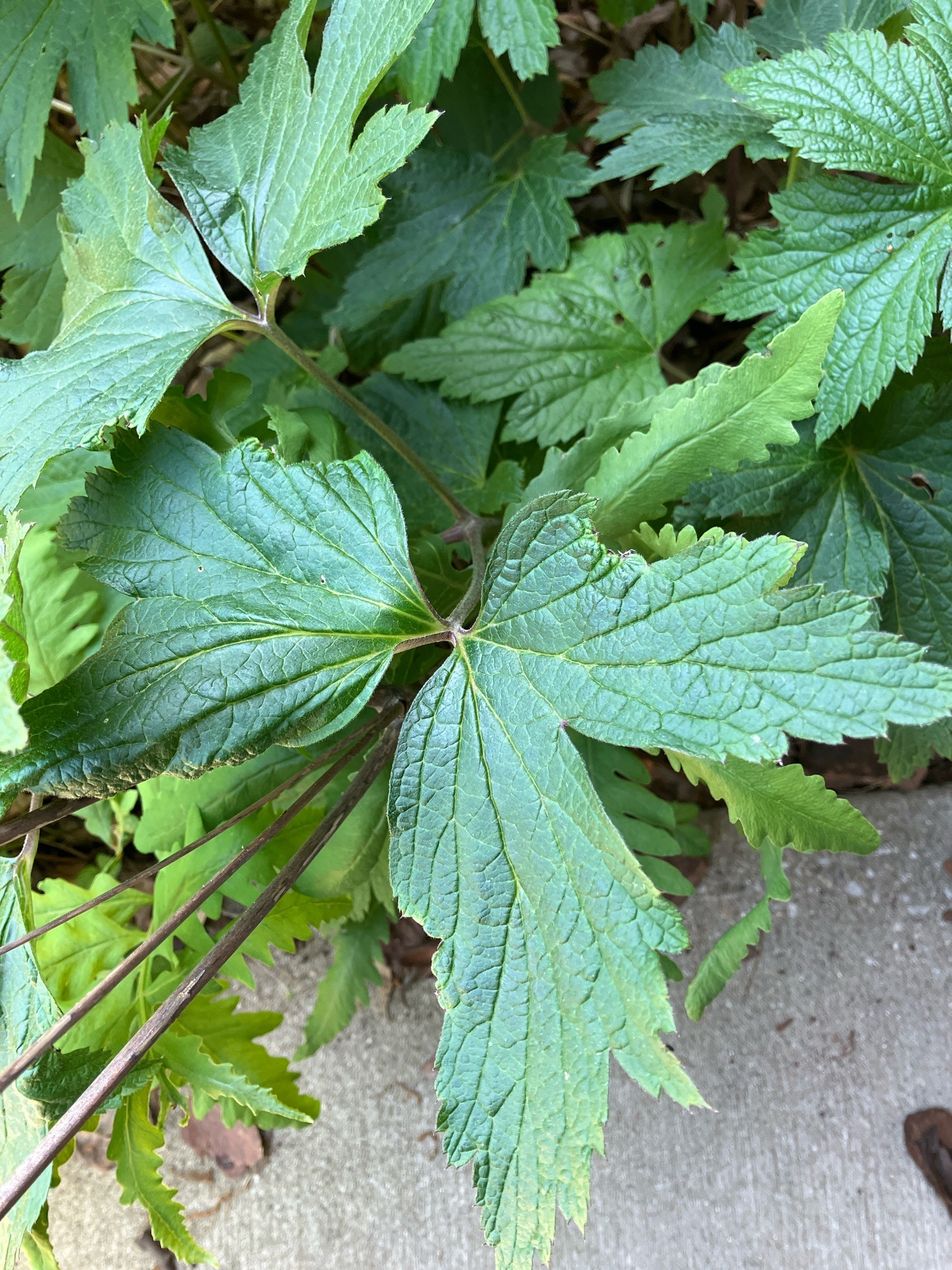
Japanese Anemone
Eriocapitella hupehensis (formerly Anemone hupehensis)
A herbaceous perennial known for its large, deeply lobed, maple-like green leaves and elegant, long-stemmed flowers that bloom late in the season.
- Light
- Partial shade is ideal, especially in hot climates. It can handle full sun in cooler regions if soil remains moist.
- Water
- Consistent moisture is necessary. Water when the top inch of soil feels dry. It is not drought-tolerant.
- Growth
- Clump-forming herbaceous perennial that spreads via underground runners. Mature height is 2-4 feet with a spread of 2-3 feet.
Care instructions
Provide moist, well-draining soil and partial shade. Ensure the plant is protected from strong winds and that the soil does not dry out completely during summer. Mulch in winter.
Growing details
Sunlight
Partial shade is ideal, especially in hot climates. It can handle full sun in cooler regions if soil remains moist.
Watering
Consistent moisture is necessary. Water when the top inch of soil feels dry. It is not drought-tolerant.
Soil
Rich, loamy, moist soil that is well-drained. Prefers a neutral to slightly alkaline pH.
Hardiness zone
USDA zones 4-8
Growth habit
Clump-forming herbaceous perennial that spreads via underground runners. Mature height is 2-4 feet with a spread of 2-3 feet.
Bloom season
Late summer to mid-autumn. Flowers are white or pink with prominent yellow stamens.
Propagation
Easily propagated through root cuttings in autumn or spring, or by dividing established clumps.
Common pests & issues
Susceptible to powdery mildew, leaf spots, and Japanese beetles. Can be aggressive in the garden once established.
Similar species
Anemone vitifolia (Grape-leaf Anemone) and Anemone x hybrida. Distinguished by different leaf serration and bloom timing.