
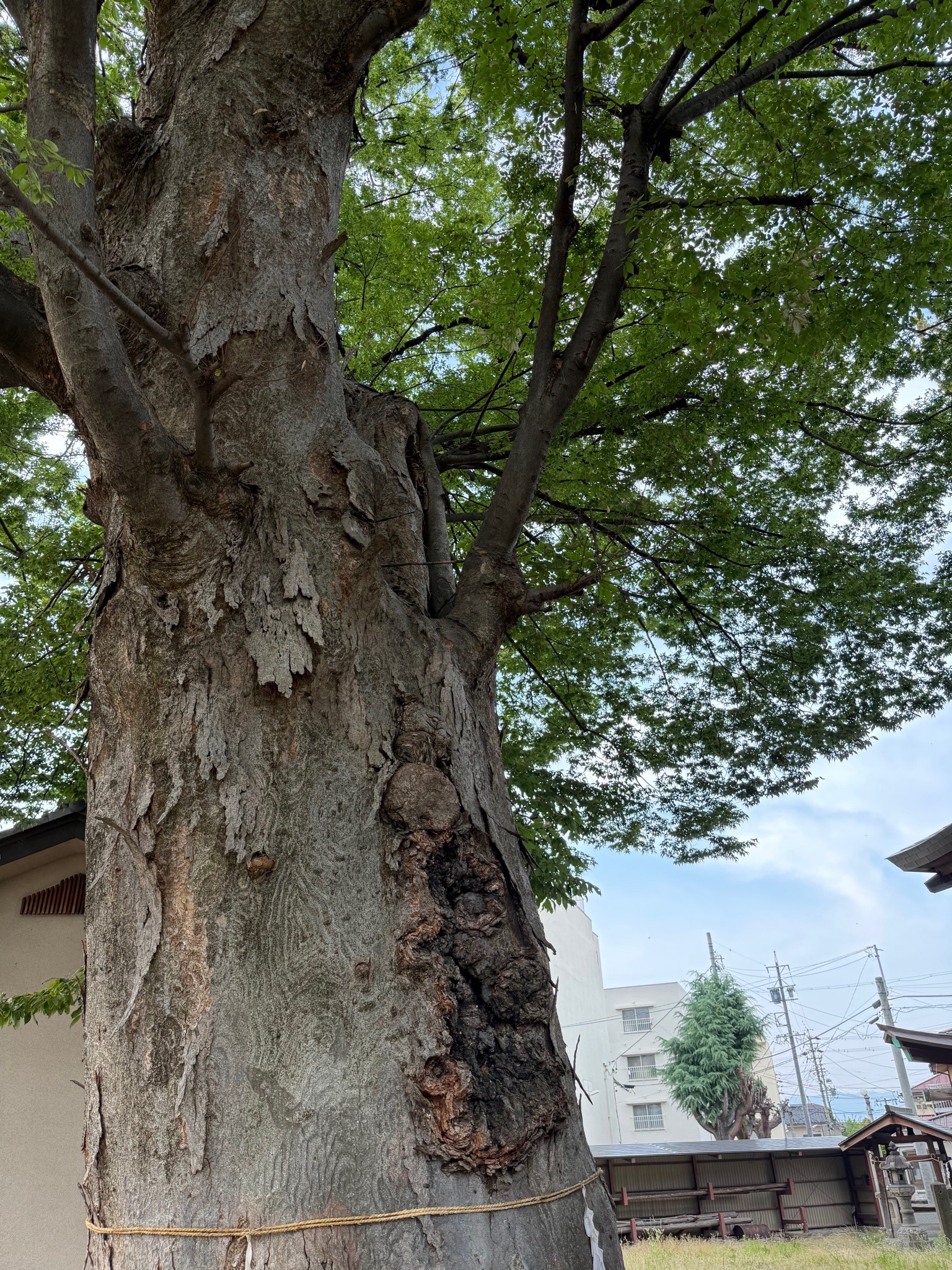
Japanese Zelkova
Zelkova serrata
A medium to large deciduous tree known for its graceful vase-shaped habit and attractive exfoliating bark. It features ovate-oblong leaves with prominent serrated margins.
- Light
- Full sun, requiring at least 6 hours of direct sunlight per day.
- Water
- Moderate watering is needed, especially during the first few years of establishment. It has good drought resistance once mature. Yellowing leaves may indicate water stress.
- Growth
- Perennial deciduous tree; vase-shaped or spreading rounded crown. Reaches 50 to 80 feet in height with a similar spread. Growth rate is moderate to fast when young.
Care instructions
Plant in full sun for best growth. Once established, it is moderately drought-tolerant but thrives with consistent moisture. Apply balanced fertilizer in early spring.
Growing details
Sunlight
Full sun, requiring at least 6 hours of direct sunlight per day.
Watering
Moderate watering is needed, especially during the first few years of establishment. It has good drought resistance once mature. Yellowing leaves may indicate water stress.
Soil
Prefers moist, well-draining soils with a pH ranging from 5.5 to 7.5; adaptable to many soil types including clay.
Hardiness zone
5 to 8
Growth habit
Perennial deciduous tree; vase-shaped or spreading rounded crown. Reaches 50 to 80 feet in height with a similar spread. Growth rate is moderate to fast when young.
Bloom season
Spring (April/May); produces inconspicuous, small green flowers without petals; winged fruit (samaras) develop shortly after.
Propagation
Primarily through seed or softwood cuttings taken in late spring; grafting is also used for specific cultivars.
Common pests & issues
Generally resistant to Dutch Elm Disease. May be affected by Japanese beetles, spider mites, or bacterial leaf scorch under stress.
Similar species
American Elm (Ulmus americana) which has a similar vase shape but different bark and is more susceptible to disease; Siberian Elm (Ulmus pumila) which has smaller leaves.