Brazilian Pepper Tree
Scientific Name: Schinus terebinthifolia
Plant Family: Anacardiaceae (Cashew family)
Native Region: South America (Brazil, Argentina, Paraguay); now widespread and invasive in Florida, California, and Hawaii.
Brief Description
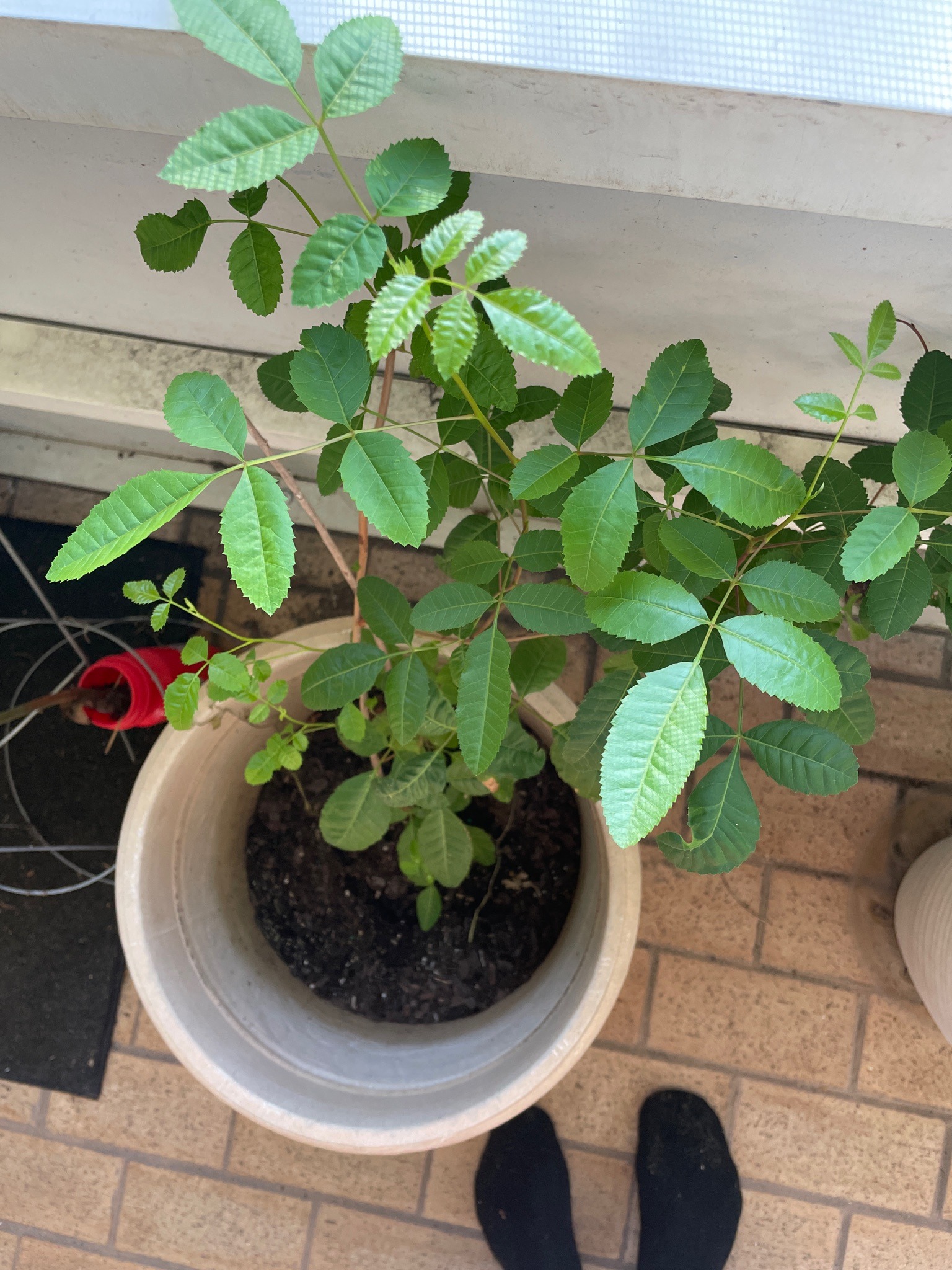
A sprawling evergreen shrub or small tree characterized by compound leaves with 7-9 serrated leaflets and reddish stems. It produces clusters of small white flowers followed by bright red berries.
Care Instructions
In many regions, this is considered a noxious weed and cultivation is discouraged or illegal. If grown, it requires full sun, well-draining soil, and minimal watering once established. It is highly adaptable and requires almost no maintenance.
Medicinal Value
We do not currently provide medicinal value for plant identifications.
Sunlight
Full sun to partial shade (4-8 hours of direct light per day).
Watering
Drought-tolerant once established. Water occasionally during dry spells. Signs of overwatering include yellowing leaves and root rot.
Soil
Extremely adaptable; thrives in sandy, loamy, or clay soils with a neutral to slightly acidic pH.
Hardiness Zone
9-11 (tolerates temperatures down to 20°F for short periods).
Growth Habit
Perennial evergreen shrub/tree. Can reach 15-30 feet tall and wide at a fast growth rate.
Bloom Season
Small white flowers in late summer/fall, followed by glossy red drupes (berries) in winter.
Toxicity
Leaves, sap, and berries contain resins that can cause skin irritation (similar to poison ivy) and respiratory issues if burned. Toxic to horses and can cause digestive upset in pets.
Propagation
Easily propagated by seeds dispersed by birds, or via semi-hardwood cuttings and suckers.
Common Pests & Issues
Leaf-rolling caterpillars may feed on leaves. Generally resistant to most diseases, though its primary 'issue' is being highly invasive and crowding out native species.
Similar Species
Compare to Winged Sumac (Rhus copallinum), which has a 'winged' leaf stalk, and Peppertree (Schinus molle), which has much narrower, lace-like leaflets.
Interesting Facts
This plant is a relative of poison ivy and mango. Despite being sold as pink peppercorns, some people have allergic reactions to them due to their membership in the cashew family.
Created At: 2026-06-06T12:46:53.146074