
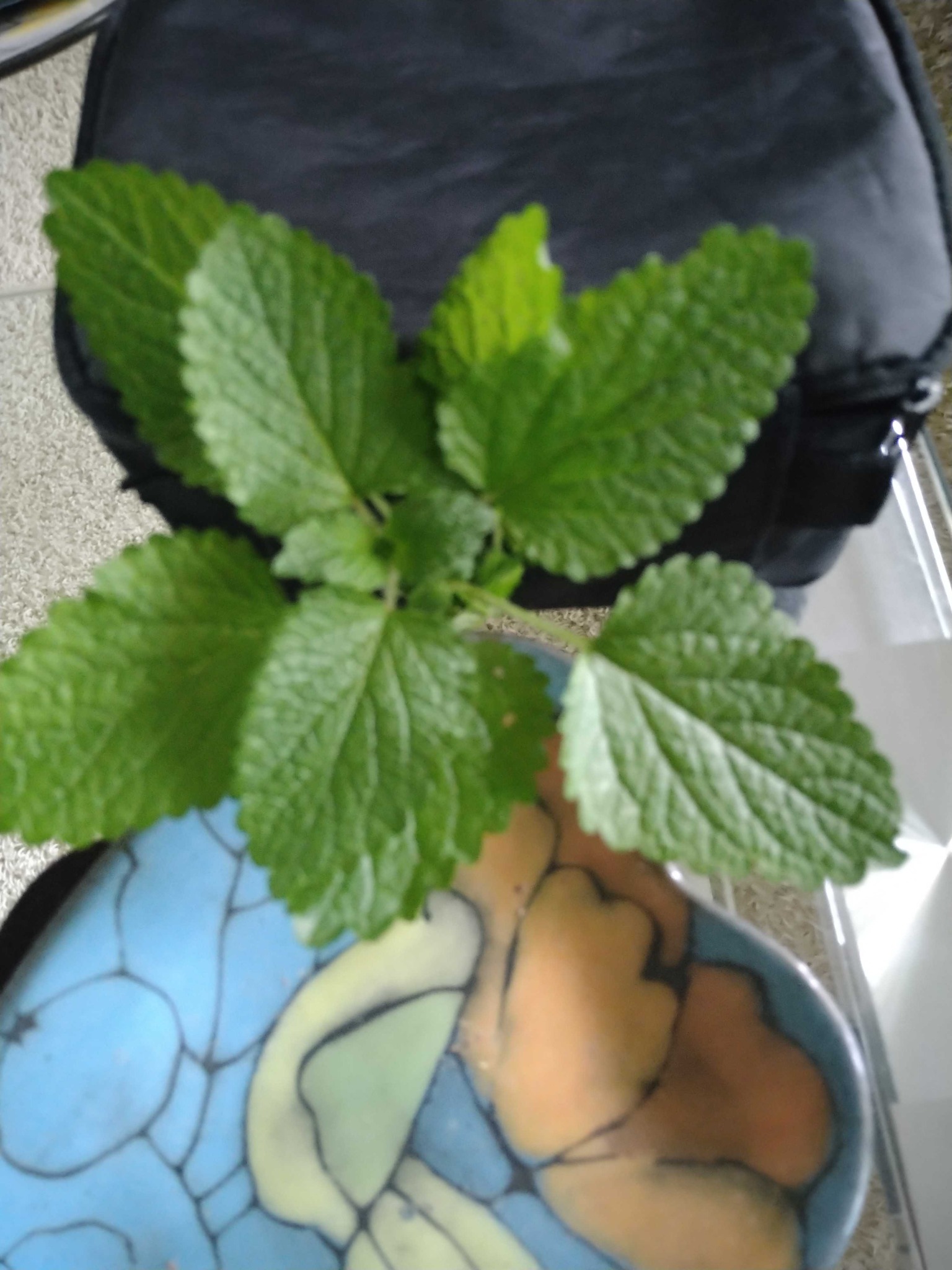
Lemon Balm
Melissa officinalis
A perennial herbaceous plant with square stems and opposite, heart-shaped leaves that have deeply wrinkled textures and scalloped margins. It is known for its distinct citrus-like scent.
- Light
- Full sun to partial shade, approximately 4 to 6 hours of light per day. It benefits from afternoon shade in very hot climates.
- Water
- Requires regular watering to keep the soil moist but not soggy. It is moderately drought-tolerant once established, though leaves may wilt if too dry.
- Growth
- Herbaceous perennial; clump-forming with an upright habit. Reaches 1 to 2 feet in height with a similar spread. It grows rapidly and can spread via seeds and rhizomes.
Care instructions
Provide full sun to partial shade in well-draining soil. Maintain consistent moisture without waterlogging. Minimal fertilization is needed; over-fertilizing can reduce the intensity of its leaf scent.
Growing details
Sunlight
Full sun to partial shade, approximately 4 to 6 hours of light per day. It benefits from afternoon shade in very hot climates.
Watering
Requires regular watering to keep the soil moist but not soggy. It is moderately drought-tolerant once established, though leaves may wilt if too dry.
Soil
Prefers well-draining, sandy or loamy soil with a pH between 6.0 and 7.5.
Hardiness zone
USDA zones 3 through 9; cold-hardy but sensitive to extreme heat without hydration.
Growth habit
Herbaceous perennial; clump-forming with an upright habit. Reaches 1 to 2 feet in height with a similar spread. It grows rapidly and can spread via seeds and rhizomes.
Bloom season
Small, inconspicuous white or pale yellow flowers appear in late spring through summer, clustered at the leaf axils.
Propagation
Easily propagated by seed sown in spring, stem cuttings in summer, or root division in early spring or autumn.
Common pests & issues
Generally resistant to pests but can be affected by powdery mildew if air circulation is poor. Spider mites may occur in dry indoor environments.
Similar species
Mentha (Mint) species, which have similar square stems but typically have smoother or more pointed leaves and spread more aggressively via runners. Catnip (Nepeta cataria) has more triangular, gray-green leaves with different aromatic properties.