Japanese Zelkova
Scientific Name: Zelkova serrata
Plant Family: Ulmaceae
Native Region: Japan, Korea, and Eastern China
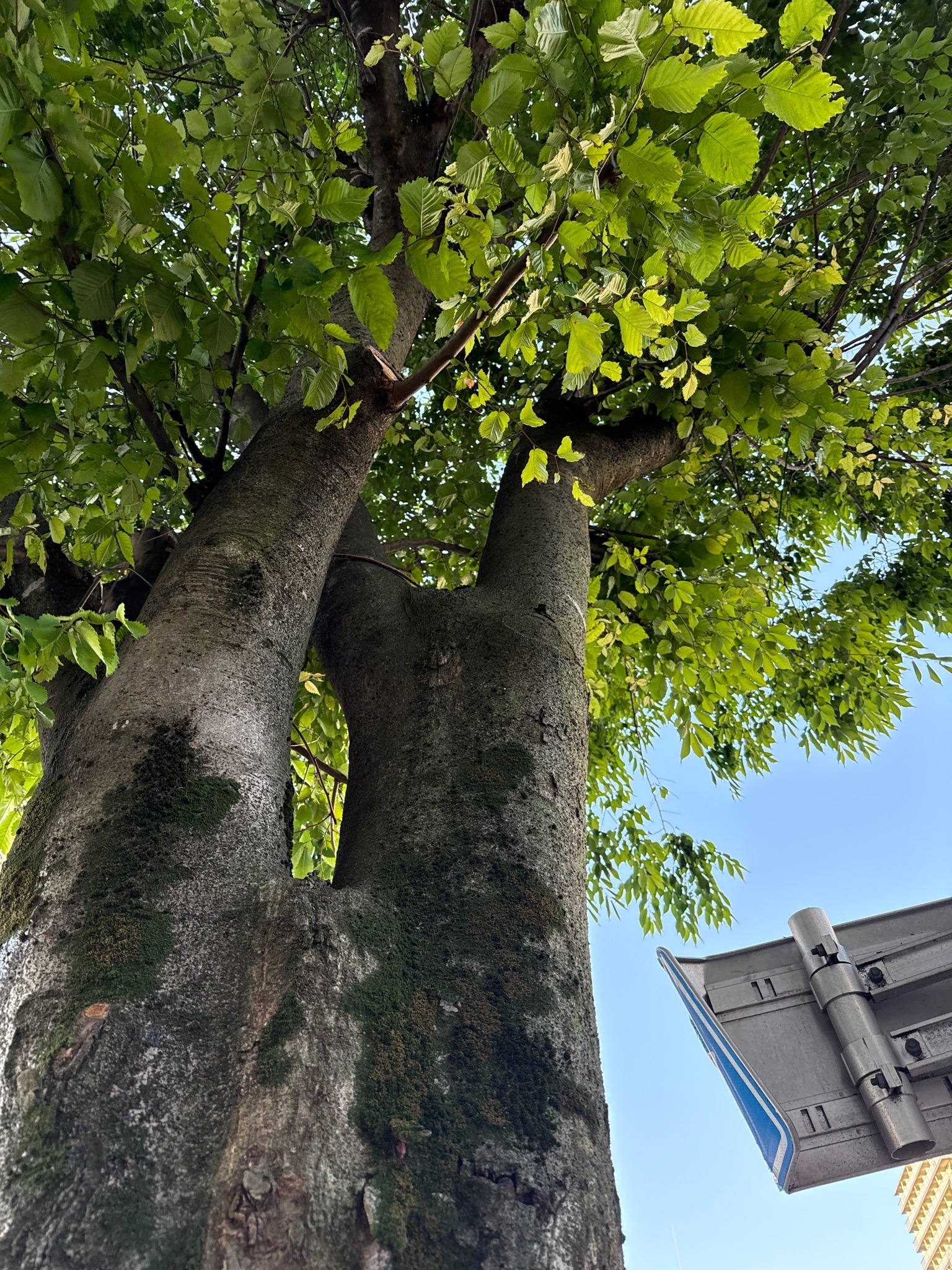
Brief Description
A medium to large deciduous tree known for its graceful vase-shaped habit, smooth gray bark that peels to reveal orange patches, and serrated green leaves.
Care Instructions
Low maintenance once established; requires full sun and well-drained soil. Prune in late winter to maintain its vase shape.
Medicinal Value
We do not currently provide medicinal value for plant identifications.
Sunlight
Full sun (6+ hours per day) for optimal growth and foliage density.
Watering
Moderate; needs regular watering when young. Mature trees are moderately drought-tolerant but prefer consistent moisture.
Soil
Prefers moist, well-drained loams but is adaptable to various soil types; pH from 5.5 to 8.0.
Hardiness Zone
5 to 8
Growth Habit
Large deciduous perennial tree with a vase-shaped form; grows 50-80 feet tall and wide at a medium growth rate.
Bloom Season
Spring (April); small, non-showy green flowers followed by small wingless drupes.
Toxicity
Generally non-toxic to humans, dogs, and cats; no significant toxicity reported.
Propagation
Primarily by seed (requires cold stratification) or by softwood cuttings in early summer.
Common Pests & Issues
Generally resistant to Dutch Elm Disease; occasionally affected by leaf spot, canker, or beetles like Japanese beetles.
Similar Species
American Elm (Ulmus americana) which has a similar shape but different bark and a high susceptibility to Dutch Elm Disease.
Interesting Facts
The Japanese Zelkova is frequently used as a street tree because of its high tolerance for urban pollution and wind.
Created At: 2026-05-10T20:40:09.329516