Persian Cornflower
Scientific Name: Centaurea dealsata
Plant Family: Asteraceae
Native Region: Caucasus Mountains, Turkey, and Northern Iran
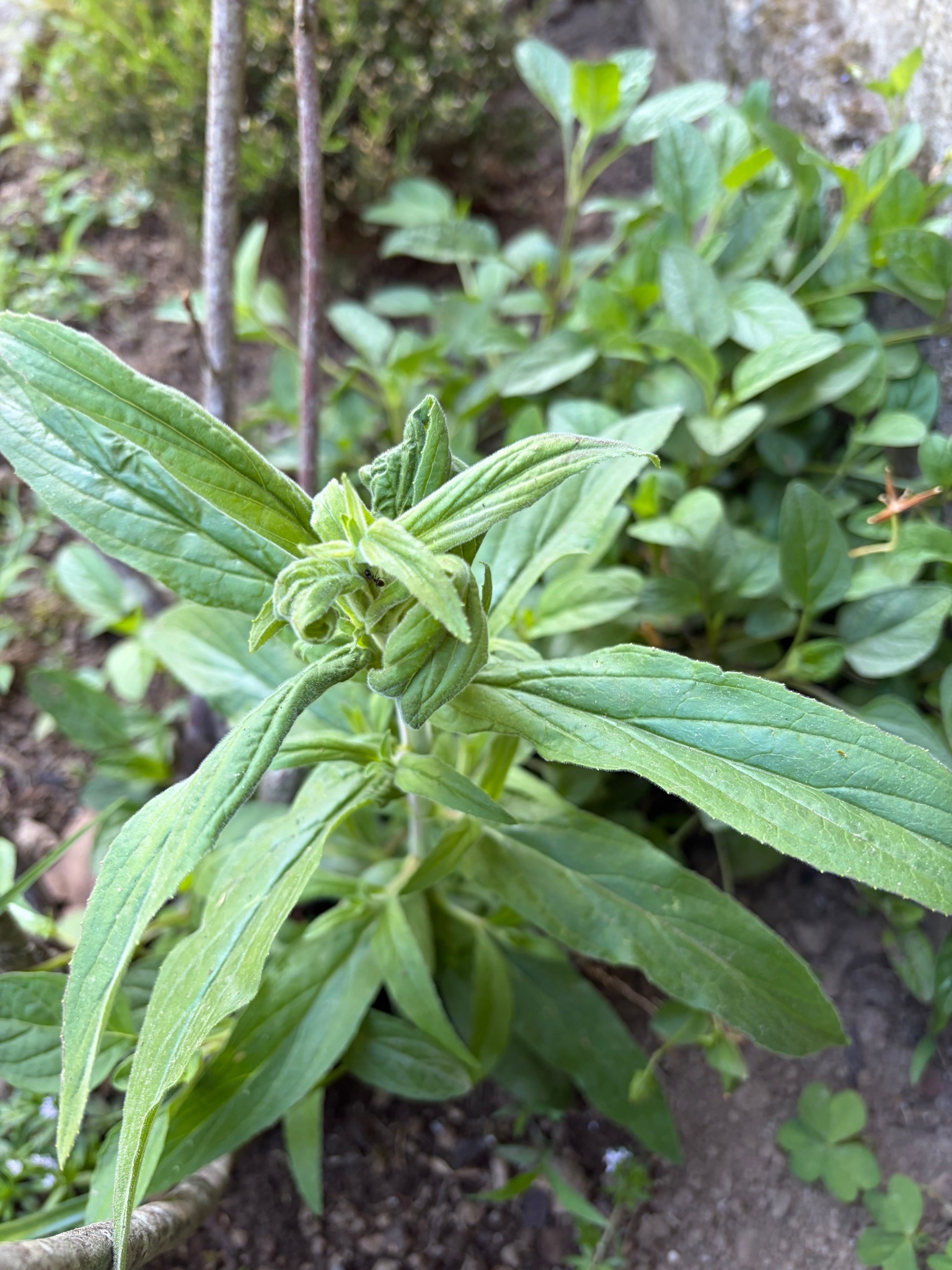
Brief Description
A clump-forming perennial with finely cut, grey-green leaves and thistle-like pink or purple flowers. The foliage has a soft, woolly texture when young.
Care Instructions
Low maintenance. Provide well-drained soil in a sunny spot. Cut back after flowering to encourage a second flush of blooms and maintain a tidy shape.
Medicinal Value
We do not currently provide medicinal value for plant identifications.
Sunlight
Full sun (at least 6 hours of direct light) for best flowering, though it can tolerate light partial shade.
Watering
Moderate watering when establishing; once mature, it is quite drought-tolerant. Avoid overwatering to prevent root rot.
Soil
Requires well-draining soil. Thrives in sandy or loamy soils with a neutral to slightly alkaline pH (6.5 to 7.5).
Hardiness Zone
3 to 8
Growth Habit
Perennial; grows in mounded clumps. Reaches 18-36 inches in height and about 24 inches in spread.
Bloom Season
Late spring to early summer; features bright rose-pink to lavender thistle-like flower heads with white centers.
Toxicity
Non-toxic to humans, dogs, and cats; generally considered safe for domestic animals.
Propagation
Propagate by division in early spring or autumn, or by sowing seeds in a cold frame during spring.
Common Pests & Issues
Generally pest-resistant, but may occasionally suffer from powdery mildew if grown in humid conditions with poor air circulation.
Similar Species
Centaurea montana (Mountain Bluet) — C. montana has blue flowers and larger leaves; Centaurea nigra — has more aggressive growth and smaller, less showy flowers.
Interesting Facts
This plant is a favorite of pollinators like bees and butterflies. It is highly valued in cottage gardens for its beautiful 'frosted' appearance caused by the fine hairs on its foliage.
Created At: 2026-04-22T16:14:17.428261