Black-eyed Susan
Scientific Name: Rudbeckia hirta
Plant Family: Asteraceae
Native Region: North America
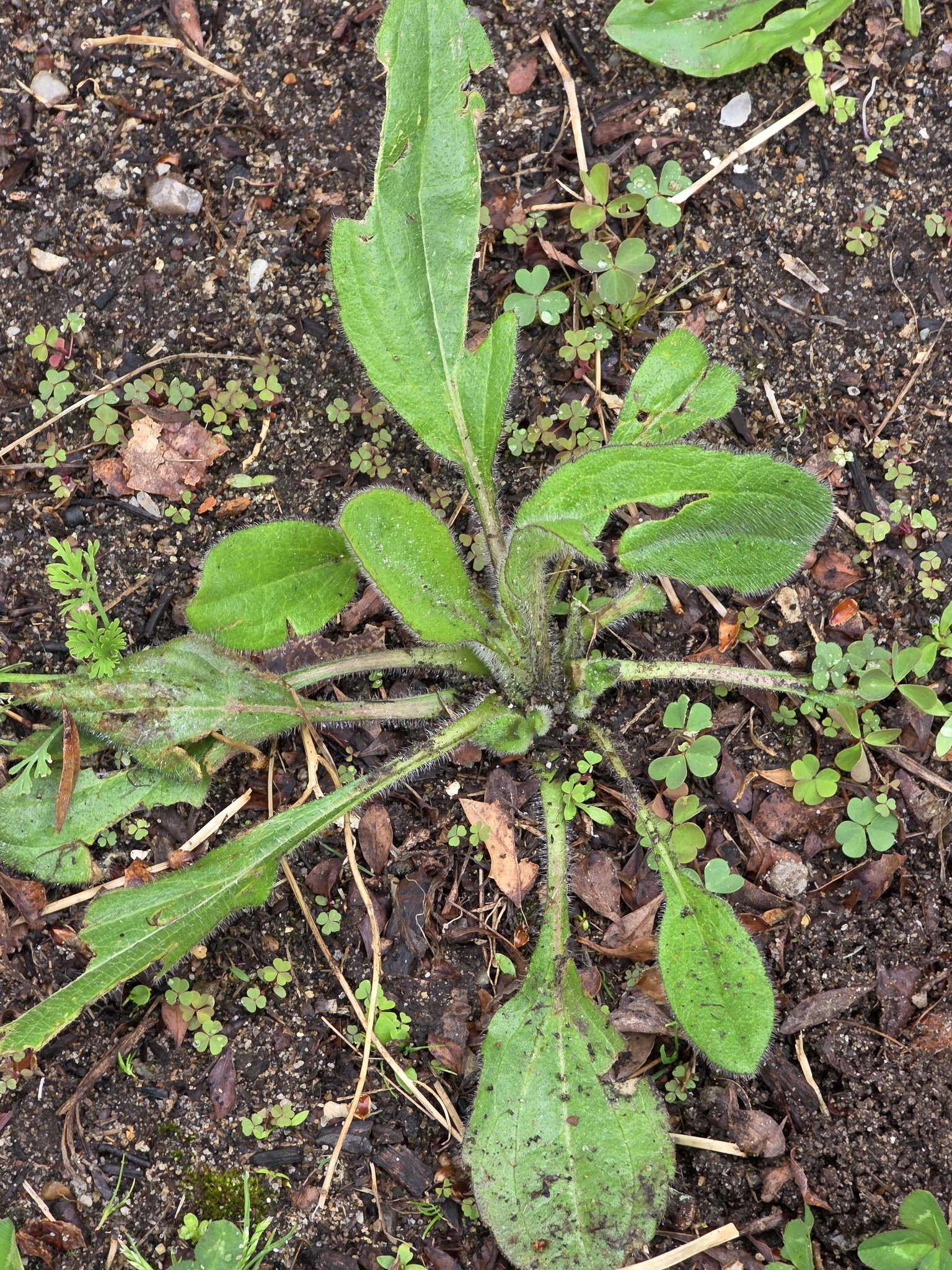
Brief Description
A flowering perennial or biennial featuring a basal rosette of hairy, lance-shaped green leaves that eventually produce tall stems with golden-yellow ray florets and dark chocolate-brown centers.
Care Instructions
Low maintenance. Provide full sun and well-drained soil. Water deeply once a week during dry periods; fertilizer is generally not needed in average soil but can be applied in early spring.
Medicinal Value
We do not currently provide medicinal value for plant identifications.
Sunlight
Full sun (6+ hours per day) for best flowering, though it can tolerate partial shade.
Watering
Moderate. Water when the top inch of soil feels dry. Drought tolerant once established, but wilts during extreme heat.
Soil
Well-draining loamy, sandy, or clay soils. Toleartes a wide pH range from 6.0 to 7.0.
Hardiness Zone
3 to 9
Growth Habit
Short-lived perennial or biennial; forms a 6-12 inch rosette in its first year, growing 2-3 feet tall when blooming.
Bloom Season
Mid-summer to early fall; features bright yellow-orange daisies with dark central cones.
Toxicity
Generally non-toxic to humans and pets, but can cause mild stomach upset if large quantities are ingested by livestock.
Propagation
Easily grown from seed in spring or fall; can also be propagated by division in early spring.
Common Pests & Issues
Susceptible to powdery mildew if air circulation is poor and septoria leaf spot. Pests include aphids and slugs.
Similar Species
Echinacea (Coneflower) which has different petal textures, and other Rudbeckia species like R. fulgida which have smoother leaves and shorter blooms.
Interesting Facts
It is the state flower of Maryland. The plant is a nectar source for many butterflies and its seeds provide food for finches in winter.
Created At: 2026-05-01T20:35:34.921613