
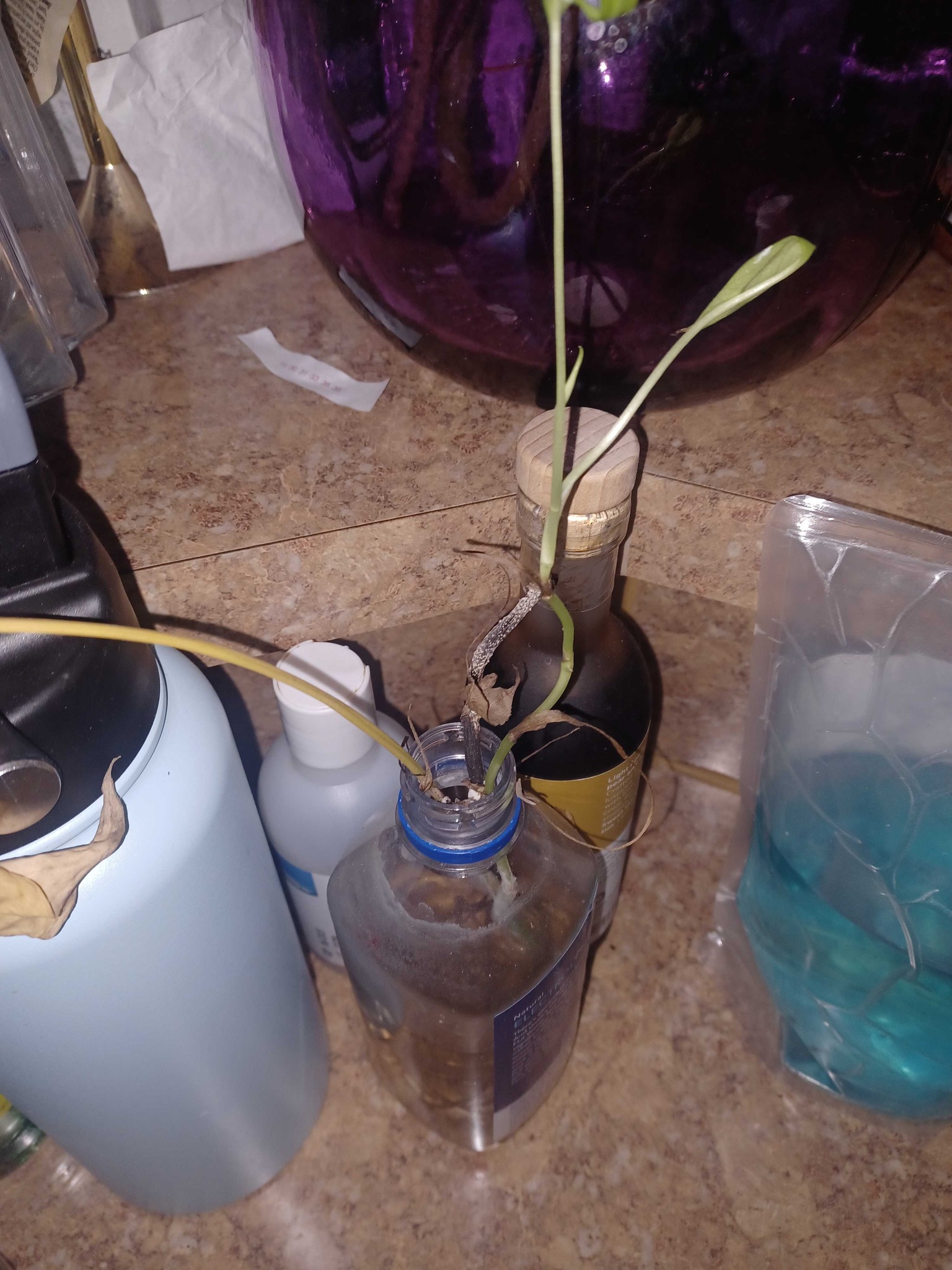
Pothos
Epipremnum aureum
A popular vining houseplant with heart-shaped leaves that can be solid green or variegated with yellow or white. It is known for its ability to grow in low light and water.
- Light
- Bright indirect light is ideal (6-8 hours). It can survive in low light, but variegation may fade into solid green.
- Water
- Every 1-2 weeks depending on environment; allow soil to dry out between waterings. Drooping leaves often signal thirst. If in water, change the water weekly.
- Growth
- Perennial evergreen vine; can reach 6-10 feet as a houseplant or over 40 feet in the wild. Fast-growing trailing or climbing habit.
Care instructions
Provide bright indirect light for best growth, though it tolerates low light. Water when the top inch of soil is dry, or maintain clean water if growing in a vase. Use well-draining potting mix and fertilize monthly during spring and summer.
Growing details
Sunlight
Bright indirect light is ideal (6-8 hours). It can survive in low light, but variegation may fade into solid green.
Watering
Every 1-2 weeks depending on environment; allow soil to dry out between waterings. Drooping leaves often signal thirst. If in water, change the water weekly.
Soil
Well-draining potting soil with a neutral to slightly acidic pH (6.1 to 6.5).
Hardiness zone
USDA zones 10-12 (not frost hardy).
Growth habit
Perennial evergreen vine; can reach 6-10 feet as a houseplant or over 40 feet in the wild. Fast-growing trailing or climbing habit.
Bloom season
Rarely flowers in cultivation; producing a green-and-cream spathe only in mature, outdoor tropical conditions.
Propagation
Easily propagated by stem cuttings placed in water or moist soil; ensure the cutting includes at least one node.
Common pests & issues
Yellow leaves from overwatering; brown tips from low humidity or salt buildup; mealybugs and spider mites are occasional pests.
Similar species
Heartleaf Philodendron (Philodendron hederaceum); distinguished by Pothos' thicker leaves and indented leaf texture compared to the Philodendron's smoother texture.