Weeping Fig
Scientific Name: Ficus benjamina
Plant Family: Moraceae (Mulberry family)
Native Region: South and Southeast Asia, and Australia
Brief Description
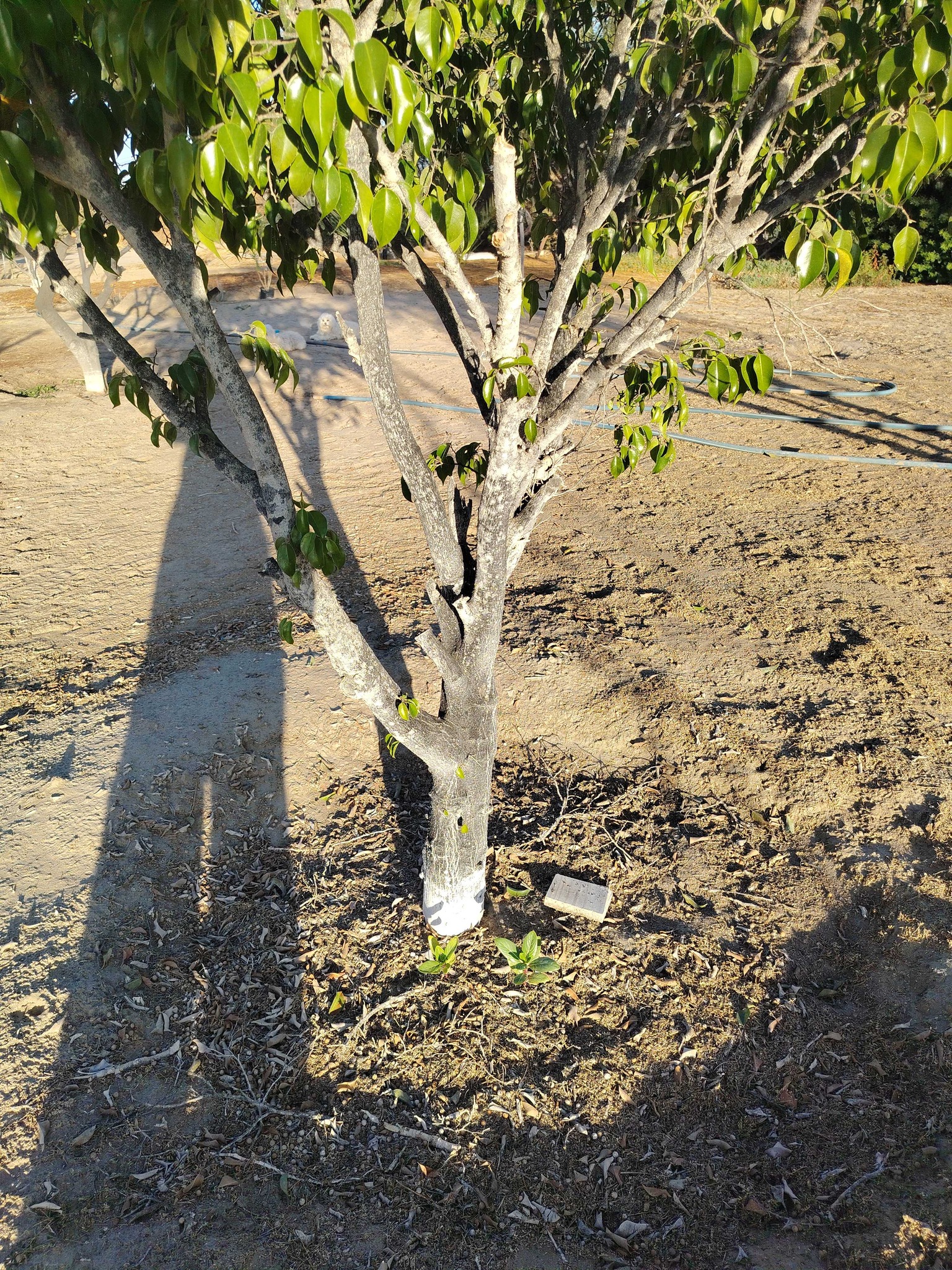
A popular evergreen tree known for its glossy, oval, pointed leaves and slightly drooping branches. It has light gray bark and a dense, spreading canopy.
Care Instructions
Provide bright indirect light or full sun depending on the climate. Water consistently but allow the top inch of soil to dry out. Use well-draining soil and fertilize monthly during the growing season.
Medicinal Value
We do not currently provide medicinal value for plant identifications.
Sunlight
Bright indirect light indoors; full sun to partial shade outdoors (6+ hours per day).
Watering
Moderate; water when the top 1-2 inches of soil feel dry. Avoid overwatering to prevent root rot. Sensitive to chemicals in tap water.
Soil
Rich, well-drained loamy soil with a neutral to slightly acidic pH (6.0-7.0).
Hardiness Zone
USDA Zones 10-11. It is sensitive to frost and cold drafts.
Growth Habit
Perennial evergreen tree. Can reach 30-50 feet outdoors, but much smaller (3-10 feet) as a container plant. Fast growth rate in ideal conditions.
Bloom Season
Produces small, inconspicuous 'figs' (syconia) that turn from green to red/black, though it rarely fruits indoors or in non-native climates.
Toxicity
Toxic to dogs, cats, and humans. The milky sap (latex) causes skin irritation and gastrointestinal distress if ingested.
Propagation
Easily propagated via stem cuttings or air layering during the spring and summer.
Common Pests & Issues
Prone to leaf drop when moved or stressed. Pests include scale, mealybugs, and spider mites. Overwatering leads to root rot.
Similar Species
Ficus elastica (Rubber Plant) which has much larger, thicker leaves, and Ficus nitida, which has a more upright growth habit and blunter leaves.
Interesting Facts
The Ficus benjamina is the official tree of Bangkok, Thailand. It is famous for its 'finickiness' and tendency to drop all its leaves if it is moved even a few feet from its original spot.
Created At: 2026-06-25T21:54:20.888123