European Ash
Scientific Name: Fraxinus excelsior
Plant Family: Oleaceae (Olive family)
Native Region: Europe, Western Asia, and North Africa
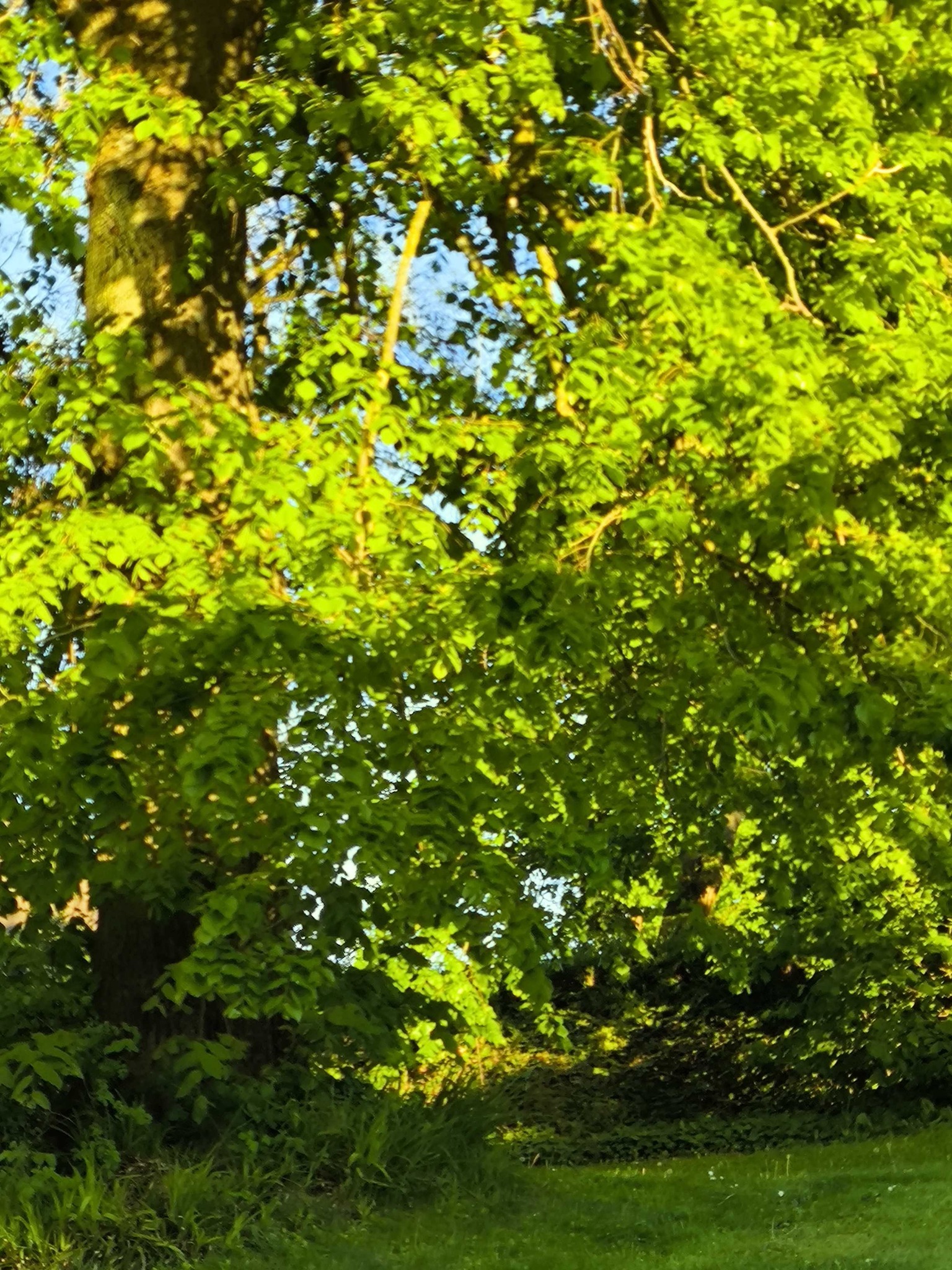
Brief Description
A large deciduous tree known for its airy canopy of compound leaves and distinctive black buds in winter. It has grey bark that becomes fissured with age.
Care Instructions
Once established, ash trees are low-maintenance. They require a sunny location and deep, moist, well-drained soil. Minimal pruning is needed unless branches are dead or diseased.
Medicinal Value
We do not currently provide medicinal value for plant identifications.
Sunlight
Full sun (at least 6 hours of direct sunlight per day); semi-shade is tolerated in youth.
Watering
Moderate; young trees need regular watering to establish. Once mature, it is relatively drought-resistant but prefers moist soil.
Soil
Deep, fertile, moist, and well-drained soils; prefers alkaline to neutral pH (6.5 to 8.0).
Hardiness Zone
Zones 4 to 7
Growth Habit
Deciduous perennial tree; tall and upright with a domed crown. Can reach heights of 25-35 meters with a similar spread.
Bloom Season
Early spring before the leaves emerge; flowers are small, dark purple/green and lack petals.
Toxicity
Generally non-toxic to humans and pets, though the pollen can be an allergen for some people.
Propagation
Primarily by seed (which often requires cold stratification) or by hardwood cuttings.
Common Pests & Issues
Highly susceptible to Ash Dieback (Hymenoscyphus fraxineus), a fungal disease. Emerald Ash Borer is a significant pest in North America.
Similar Species
Mountain Ash (Sorbus aucuparia), which has serrated leaflets and orange berries; and other Ash species like Fraxinus americana (White Ash) which has different bud colors.
Interesting Facts
In Norse mythology, the Yggdrasil (the World Tree) is often identified as a giant ash tree. It is one of the toughest native timbers in Europe.
Created At: 2026-05-01T17:19:47.410720