
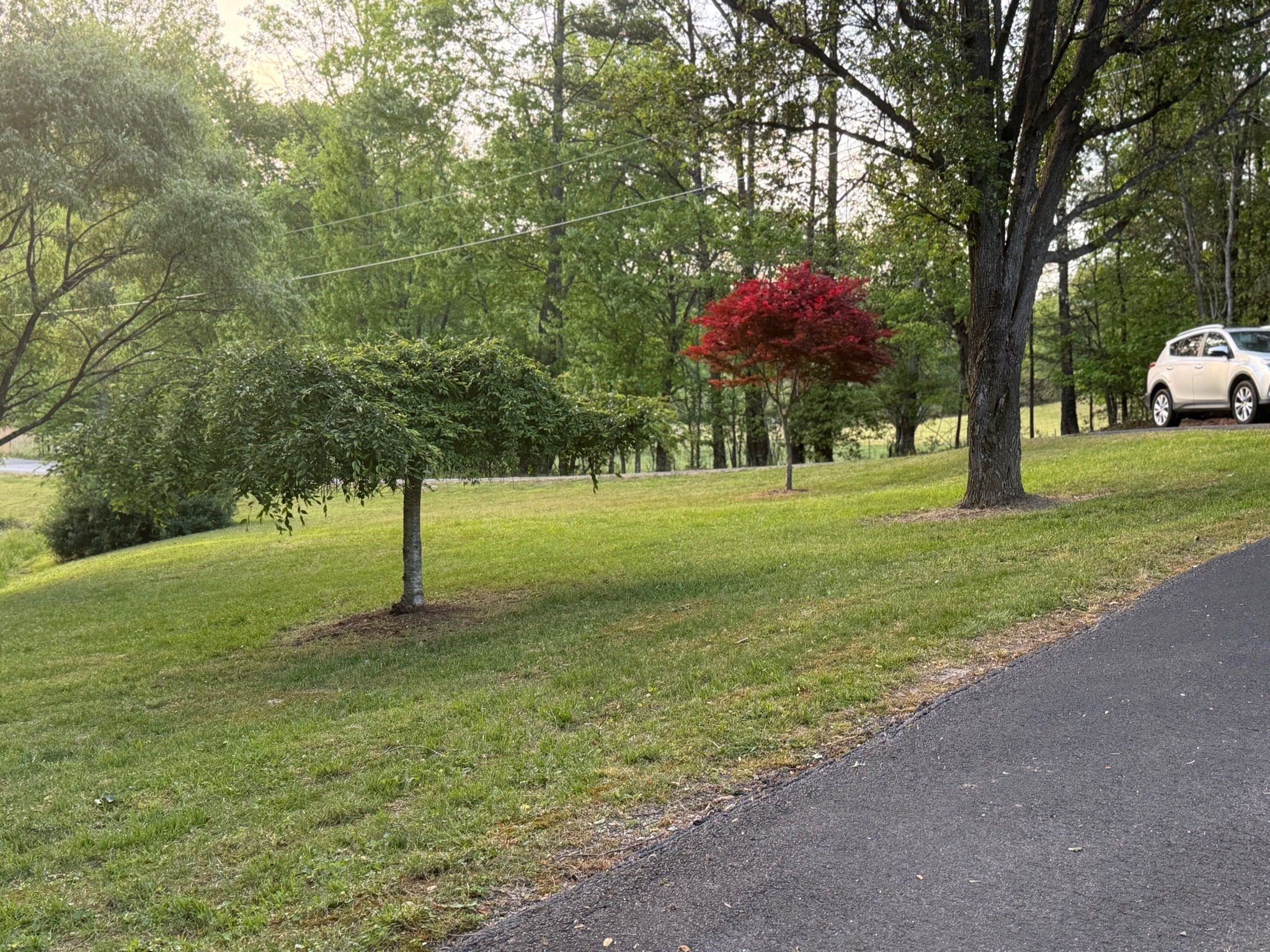
Snow Fountain Weeping Cherry
Prunus 'Snofozam'
A compact, deciduous ornamental cherry tree with naturally weeping branches that cascade to the ground. It features small serrated green leaves that turn gold or orange in autumn and produces a profusion of pure white flowers in early spring.
- Light
- Full sun for best flowering (6+ hours per day). Can tolerate light partial shade.
- Water
- Moderate watering needs. Keep soil moist but not soggy. Water deeply once a week, increasing frequency during periods of extreme heat or drought.
- Growth
- Perennial; weeping growth habit. Typically grafted onto a standard trunk, reaching 8–15 feet in height and 6–8 feet in spread. Slow-growing.
Care instructions
Plant in a sunny location with well-draining soil. Ensure regular watering during the first year of establishment and during dry spells. Apply a balanced slow-release fertilizer in early spring and prune only as needed to maintain the weeping shape and remove crossing branches.
Growing details
Sunlight
Full sun for best flowering (6+ hours per day). Can tolerate light partial shade.
Watering
Moderate watering needs. Keep soil moist but not soggy. Water deeply once a week, increasing frequency during periods of extreme heat or drought.
Soil
Well-drained, loamy or sandy soil; slightly acidic to neutral pH (6.0–7.5). Avoid heavy clay that holds too much water.
Hardiness zone
USDA Zones 5 through 8
Growth habit
Perennial; weeping growth habit. Typically grafted onto a standard trunk, reaching 8–15 feet in height and 6–8 feet in spread. Slow-growing.
Bloom season
Early spring (March-April); features clusters of small, 5-petaled single white blossoms along the length of the weeping branches.
Propagation
Typically propagated by grafting onto hardier rootstocks (usually Prunus avium) to achieve the 'top-grafted' tree form seen in landscapes.
Common pests & issues
Susceptible to Japanese beetles, aphids, and spider mites. Possible diseases include powdery mildew, leaf spot, and canker. Ensure good air circulation to prevent fungal issues.
Similar species
Weeping Higan Cherry (Prunus subhirtella 'Pendula') which grows much larger, and Weeping Yoshino Cherry which has pink-tinted blooms and a wider spread.