
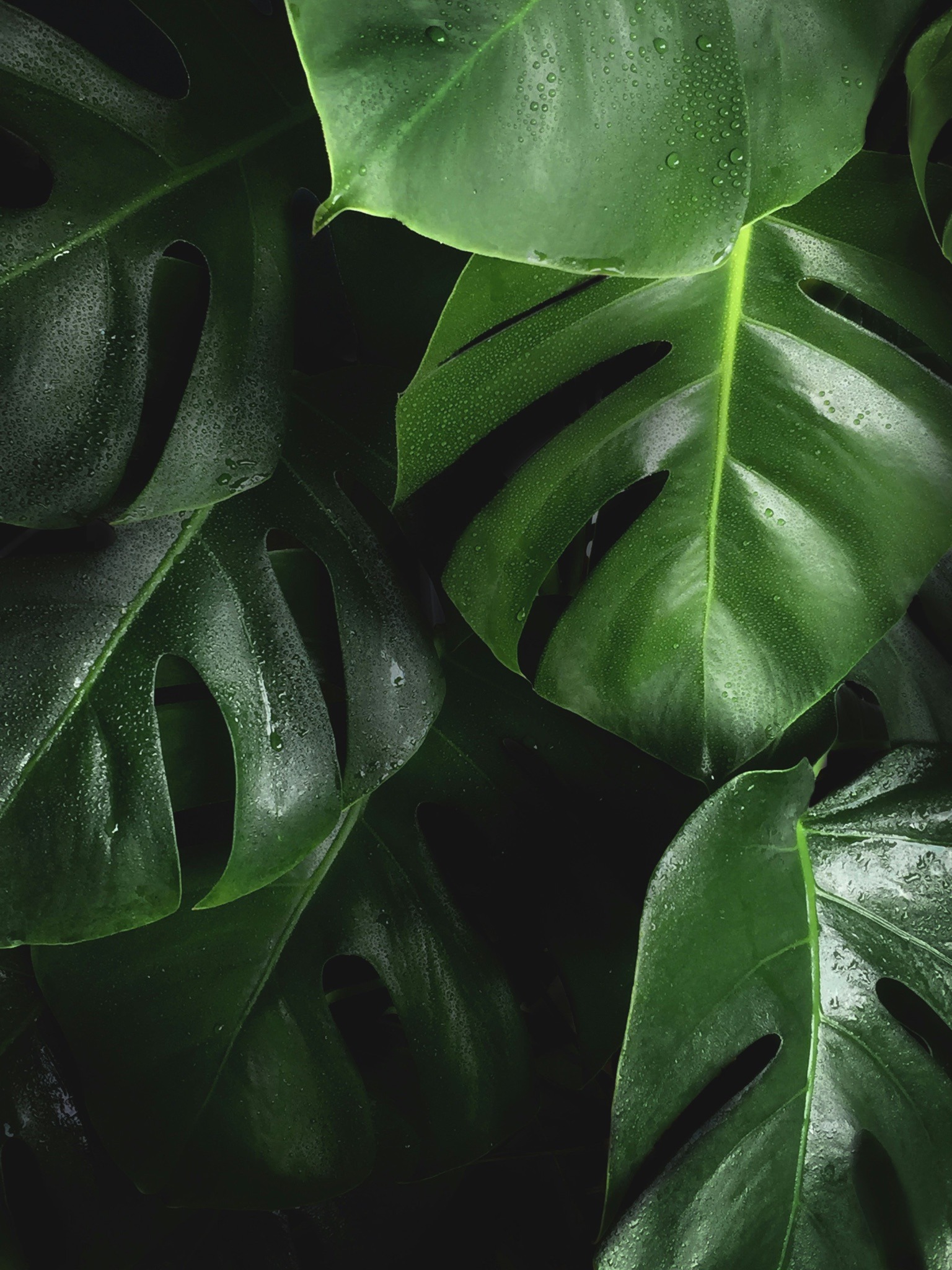
Swiss Cheese Plant
Monstera deliciosa
A popular tropical climber known for its large, glossy, heart-shaped green leaves that develop dramatic splits and holes (fenestrations) as the plant matures.
- Light
- Bright indirect light is ideal. Can tolerate lower light but leaves may not develop fenestrations; avoid direct afternoon sun which can scorch the leaves.
- Water
- Water approximately every 1-2 weeks, allowing the top 2 inches of soil to dry out between waterings. Increase frequency with more light and decrease in winter.
- Growth
- Evergreen perennial climber. In its natural habitat, it can reach 60 feet high; as a houseplant, it typically grows 3 to 8 feet tall and wide.
Care instructions
Provide bright indirect light, water when the top inch of soil is dry, and use well-draining potting soil. Maintain high humidity and fertilize monthly during the growing season with a balanced liquid fertilizer.
Growing details
Sunlight
Bright indirect light is ideal. Can tolerate lower light but leaves may not develop fenestrations; avoid direct afternoon sun which can scorch the leaves.
Watering
Water approximately every 1-2 weeks, allowing the top 2 inches of soil to dry out between waterings. Increase frequency with more light and decrease in winter.
Soil
Well-draining, peaty potting mix with a pH between 5.5 and 7.0. Adding perlite or orchid bark helps drainage.
Hardiness zone
USDA Zones 10-12; it is not frost-tolerant and should be kept above 50°F (10°C).
Growth habit
Evergreen perennial climber. In its natural habitat, it can reach 60 feet high; as a houseplant, it typically grows 3 to 8 feet tall and wide.
Bloom season
Rarely flowers indoors. In the wild, it produces a spadix surrounded by a white spathe, followed by edible conical fruit.
Propagation
Most easily propagated by stem cuttings that include at least one node and an aerial root, placed in water or directly into moist soil.
Common pests & issues
Susceptible to spider mites, mealybugs, and scale. Overwatering can lead to root rot (yellowing leaves), while low humidity can cause brown leaf tips.
Similar species
Monstera adansonii (smaller leaves with holes but no splits), Rhaphidophora tetrasperma (Mini Monstera, smaller but similar look), and various Philodendron species.