
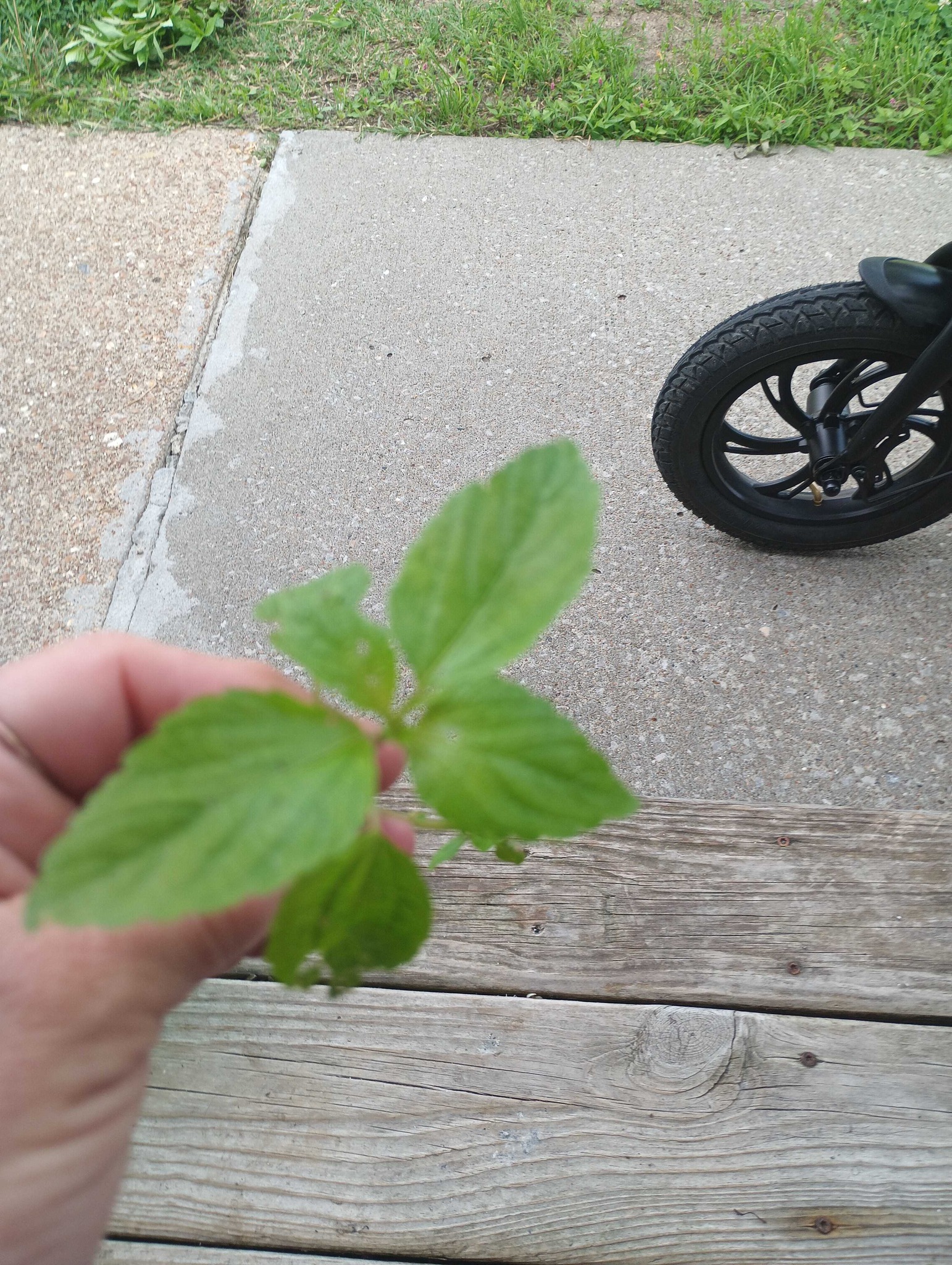
Three-seeded Mercury
Acalypha rhomboidea
An upright annual herb with alternate, rhombic-ovate leaves that have serrated margins. It is characterized by small, inconspicuous flowers clustered in the leaf axils, surrounded by leafy, lobed bracts.
- Light
- Full sun to partial shade; prefers at least 4-6 hours of light but can survive in shaded woodland edges.
- Water
- Moist to mesic conditions. It is relatively drought-tolerant once established but grows more vigorously in consistently damp soil.
- Growth
- Summer annual herb; typically grows 1 to 2 feet tall with an upright, branched form.
Care instructions
This is typically considered a weed rather than a garden plant. If cultivated, it needs almost no attention. It thrives in disturbed soils with moderate moisture and can tolerate both sun and shade.
Growing details
Sunlight
Full sun to partial shade; prefers at least 4-6 hours of light but can survive in shaded woodland edges.
Watering
Moist to mesic conditions. It is relatively drought-tolerant once established but grows more vigorously in consistently damp soil.
Soil
Loamy, clay-loam, or slightly sandy soils. Prefers a neutral to slightly acidic pH, often found in disturbed areas or gardens.
Hardiness zone
3 to 11 (Annual)
Growth habit
Summer annual herb; typically grows 1 to 2 feet tall with an upright, branched form.
Bloom season
Mid-summer to early autumn; flowers are green, tiny, and lacks petals, found in axillary spikes.
Propagation
Propagates easily by seed. The seeds are often dispersed by ants or through soil movement.
Common pests & issues
Generally pest-free, though it can be a host for various aphids. It is highly resistant to most common plant diseases.
Similar species
Acalypha virginica (Virginia Copperleaf), which has hairy stems and differently shaped bracts. It also looks vaguely like young pigweed (Amaranthus spp.), but leaf serration and bracts distinguish it.