Lemon Tree
Scientific Name: Citrus limon
Plant Family: Rutaceae
Native Region: South Asia, primarily Northeast India. It is now cultivated in subtropical and tropical climates worldwide.
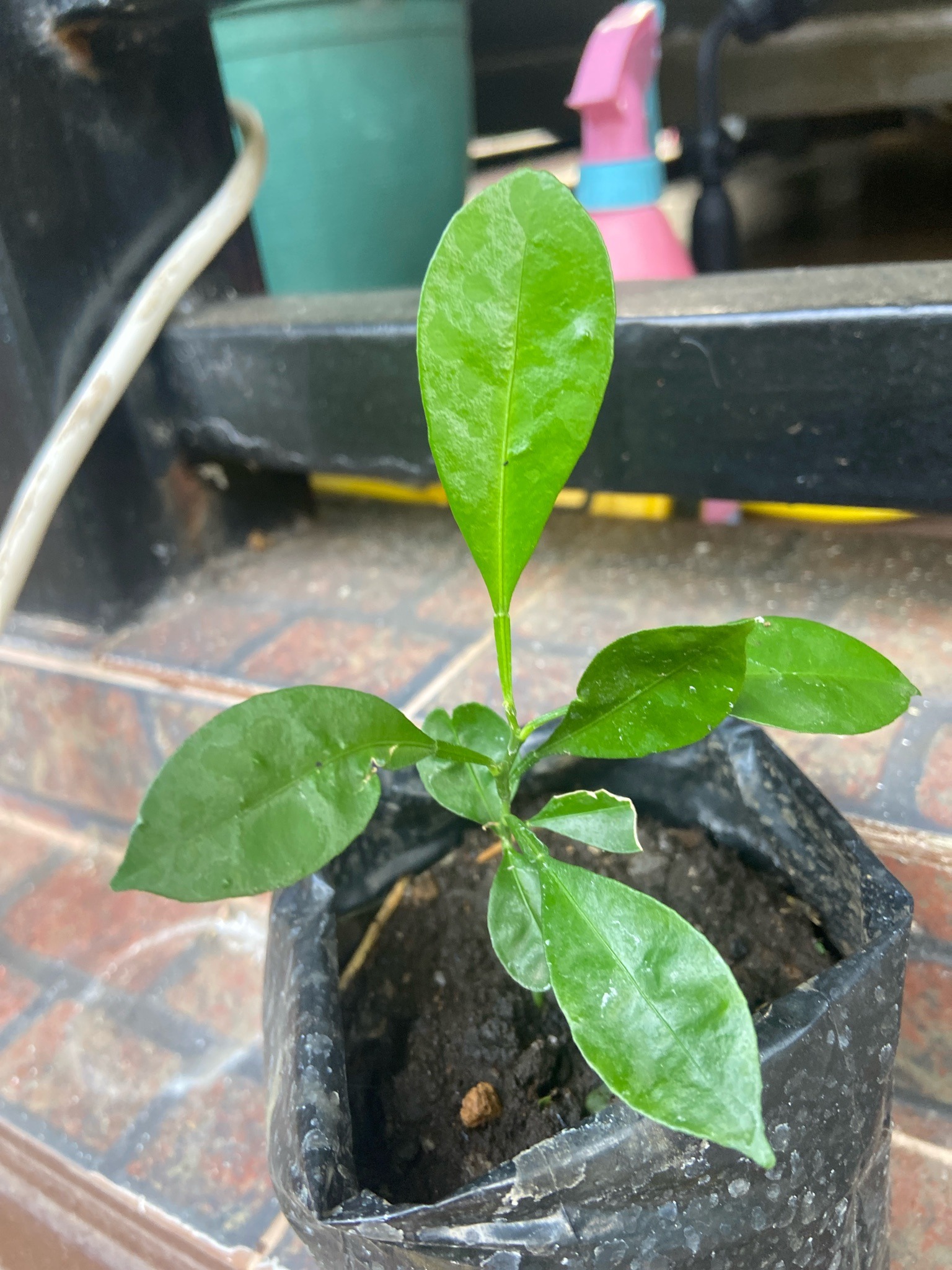
Brief Description
A small evergreen tree with glossy, oval green leaves and aromatic flowers. The leaves often have slightly winged petioles, and the plant sometimes features sharp thorns on the branches.
Care Instructions
Provide at least 6-8 hours of bright sunlight daily. Water when the top inch of soil feels dry, ensuring proper drainage. Use a balanced citrus fertilizer during the growing season and keep in a climate-controlled area if temperatures drop below freezing.
Medicinal Value
We do not currently provide medicinal value for plant identifications.
Sunlight
Full sun; 6 to 8 hours of direct light per day for optimal growth and fruit production.
Watering
Consistent watering is key; soil should be moist but not waterlogged. Allow the top 1-2 inches to dry between waterings. Yellowing leaves can indicate overwatering.
Soil
Well-draining, slightly acidic soil (pH 5.5 to 6.5). Sandy loam is ideal.
Hardiness Zone
USDA zones 9-11; very sensitive to frost and cold temperatures.
Growth Habit
Perennial evergreen tree. Can reach 10-20 feet in height outdoors, though potted varieties stay much smaller. Moderate growth rate.
Bloom Season
Can bloom year-round in the right conditions, with peaks in spring. Flowers are white with a strong sweet fragrance.
Toxicity
Generally non-toxic to humans in fruit form, but the leaves and skin contain essential oils (limonene) that can be toxic to cats, dogs, and horses if ingested in large quantities, causing gastrointestinal upset or photosensitivity.
Propagation
Commonly propagated via seeds, stem cuttings, or grafting. Seed-grown trees may take 5-15 years to fruit, while grafted trees fruit much sooner.
Common Pests & Issues
Susceptible to aphids, spider mites, and scale insects. Diseases include root rot from overwatering and citrus canker.
Similar Species
Lime (Citrus aurantiifolia) and Sweet Orange (Citrus sinensis). Lemons are distinguished by their specifically shaped fruit and the distinct citrus scent of crushed leaves.
Interesting Facts
The lemon is a hybrid between a sour orange and a citron. During the Age of Sail, lemons were vital for preventing scurvy among sailors due to their high vitamin content.
Created At: 2026-05-27T23:00:46.402511