
White Mulberry
Morus alba
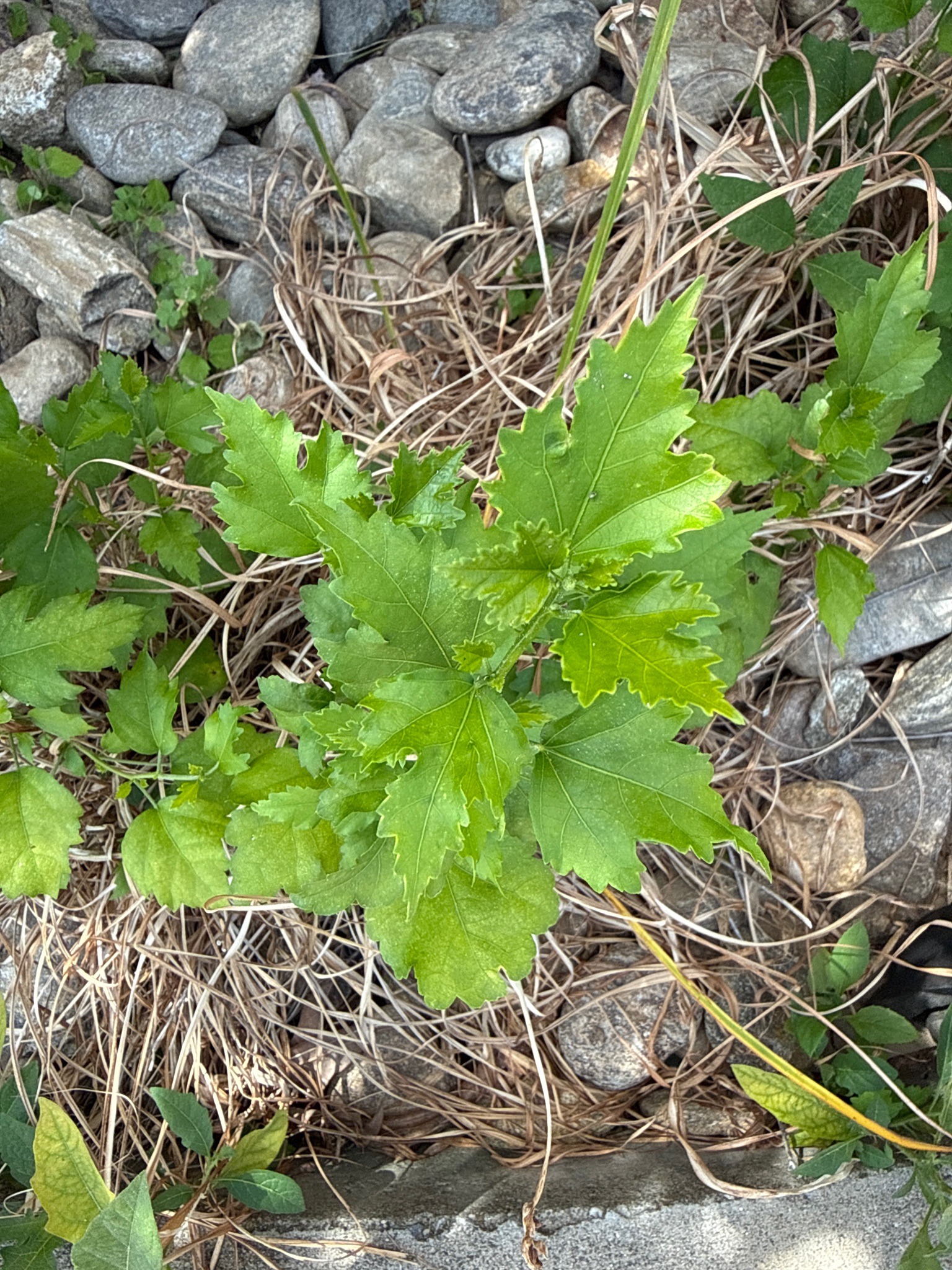
A fast-growing, deciduous tree known for its highly variable leaf shapes. Leaves can be unlobed (heart-shaped) or deeply lobed even on the same branch, having serrated edges and a glossy upper surface.
- Light
- Full sun to partial shade; ideally 6+ hours of direct sunlight per day.
- Water
- Moderate watering when young; highly drought-tolerant once established. Over-watering can lead to root rot.
- Growth
- Perennial tree; can reach heights of 30-50 feet. It has a rapid growth rate, especially when young, and a spreading, rounded crown.
Care instructions
Extremely hardy and adaptable; prefers full sun and well-drained soil. It requires little maintenance once established but can be invasive, so regular pruning is recommended to control size.
Growing details
Sunlight
Full sun to partial shade; ideally 6+ hours of direct sunlight per day.
Watering
Moderate watering when young; highly drought-tolerant once established. Over-watering can lead to root rot.
Soil
Prefers moist, well-drained loamy soil but can tolerate clay, sand, and a wide pH range (6.0 to 7.5).
Hardiness zone
Zones 4 through 9
Growth habit
Perennial tree; can reach heights of 30-50 feet. It has a rapid growth rate, especially when young, and a spreading, rounded crown.
Bloom season
Spring (April to May); small, greenish, inconspicuous catkins appear as flowers. Fruits vary from white to pinkish-purple.
Propagation
Propagated easily by seeds, softwood or hardwood cuttings, and layering.
Common pests & issues
Suffers from few serious pests but can be affected by leaf spot, bacterial blight, and scale insects.
Similar species
Red Mulberry (Morus rubra), which has rougher, matte leaves and prefers shade; Paper Mulberry (Broussonetia papyrifera), which has very fuzzy leaf undersides.