Common Dandelion
Scientific Name: Taraxacum officinale
Plant Family: Asteraceae
Native Region: Native to Eurasia; naturalized worldwide in temperate climates.
Brief Description
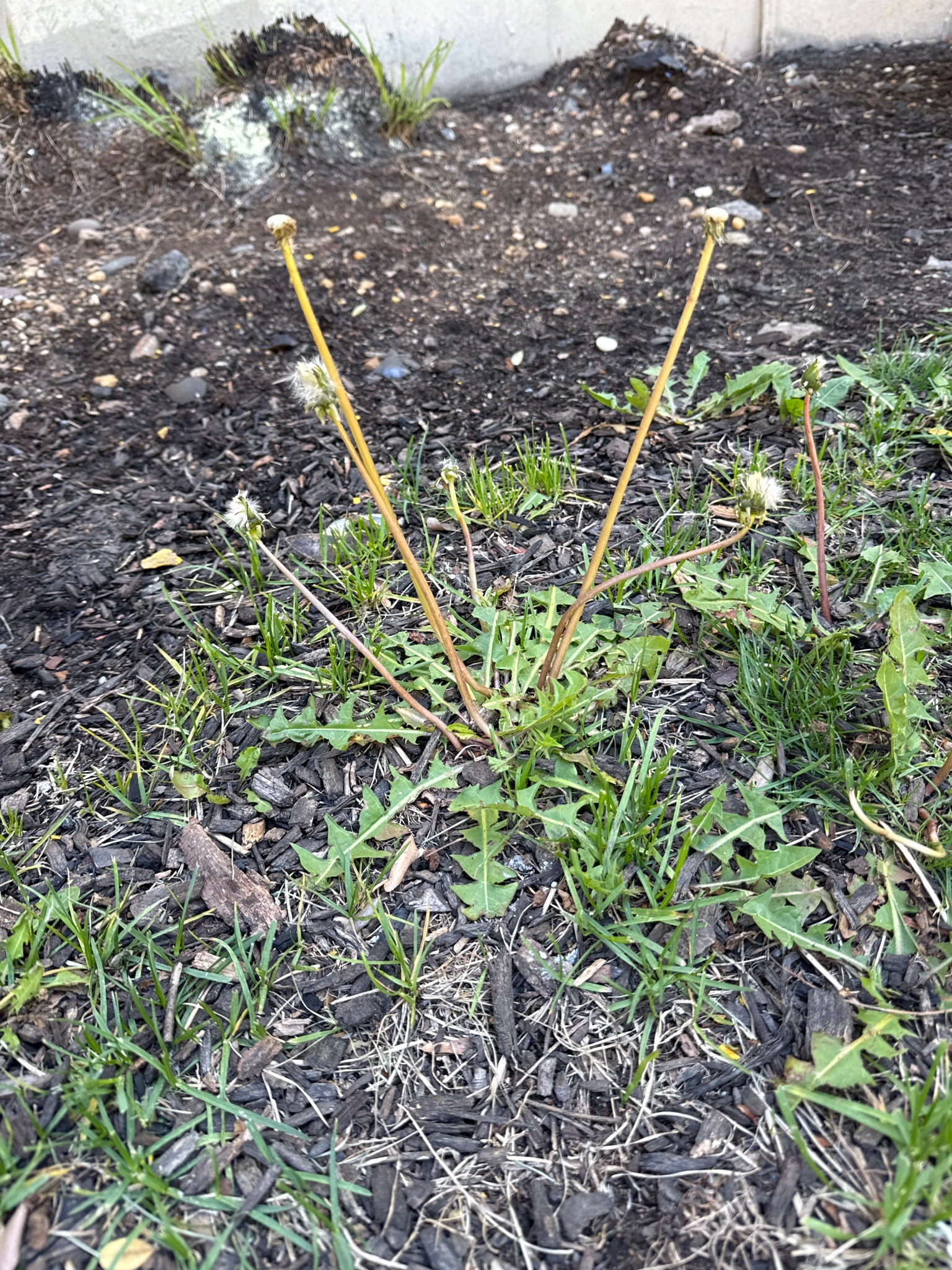
A hardy perennial herb with a basal rosette of deeply notched, tooth-shaped leaves and hollow, milky stems. It is most recognized for its bright yellow flower heads that turn into white, spherical puffballs of seeds.
Care Instructions
Extremely low-maintenance as it is often considered a weed. It thrives in sunny spots with moist, well-draining soil. No fertilizer is usually needed, and it can survive significant neglect.
Medicinal Value
We do not currently provide medicinal value for plant identifications.
Sunlight
Full sun to partial shade; prefers at least 6 hours of direct light.
Watering
Moderate; prefers consistently moist soil but is highly drought-tolerant due to its deep taproot.
Soil
Adaptable to most soil types, including compacted soil; prefers a pH of 6.0 to 7.5.
Hardiness Zone
3 to 9
Growth Habit
Perennial herb with a basal rosette; typically 2 to 18 inches tall depending on mowing frequency and environment.
Bloom Season
Primarily spring and fall, but can bloom year-round in milder climates. Produces yellow ray florets.
Toxicity
Generally non-toxic to humans and pets. Some individuals may have allergic reactions to the latex sap.
Propagation
Self-seeds prolifically via wind-dispersed seeds; can also regrow from root fragments.
Common Pests & Issues
Highly resistant to most pests. Main 'issue' is its invasive nature in manicured lawns and gardens.
Similar Species
Catsear (Hypochaeris radicata) which has hairy leaves and branched stems, and Hawkweed (Hieracium) which has smaller flowers and different leaf structures.
Interesting Facts
The name 'Dandelion' comes from the French 'dent-de-lion', meaning 'lion's tooth', referring to the jagged leaves.
Created At: 2026-04-27T16:59:23.950144