
How to Care for African Violet
Keep African violets (Streptocarpus ionanthus) blooming with bright indirect light, bottom watering, warmth, and light feeding on a compact windowsill.
Read the full African Violet encyclopedia entry →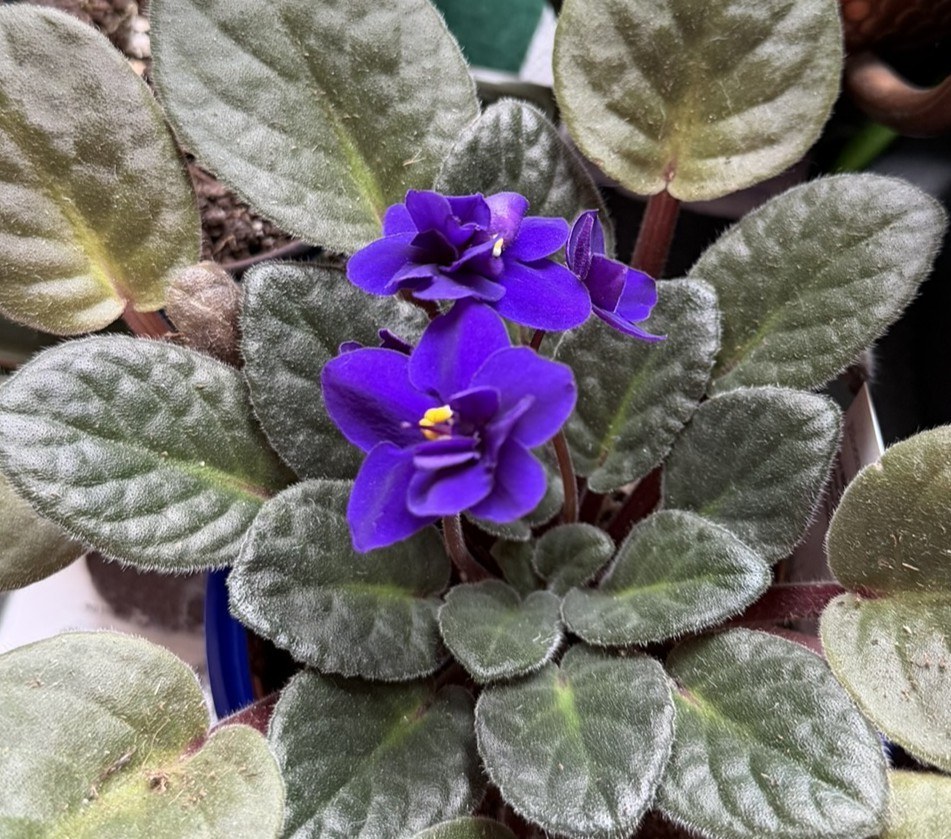
The African violet (Streptocarpus ionanthus, formerly Saintpaulia) is a beloved compact houseplant famous for its velvety leaves and near year-round clusters of purple, pink, or white flowers. With steady warmth and the right watering habits it rewards growers with almost continuous bloom.
Light
Give African violets bright, indirect light. An east or north window is ideal, or a spot a foot or two back from a brighter window. Direct midday sun scorches the leaves, while too little light stops flowering and produces thin, reaching foliage. Rotate the pot regularly for even, symmetrical growth, and supplement with a fluorescent or LED grow light in dark rooms.
Water
Keep the soil lightly and evenly moist, never soggy and never bone dry. Water from below by setting the pot in a saucer of room-temperature water for 20 to 30 minutes, then pour off the excess; this keeps the crown and leaves dry. Cold water or water splashed on the foliage causes unsightly leaf spotting. Let the surface dry slightly between waterings.
Soil & Potting
Use a light, airy, well-drained mix; a dedicated African violet potting mix or a blend rich in peat and perlite works well. These plants like to be slightly pot-bound and bloom best in shallow, smaller pots. Ensure the container has drainage holes and keep the crown at soil level so it does not rot.
Humidity & Temperature
African violets prefer moderate to high humidity, around 50 to 60 percent, and warm, stable temperatures between about 65 and 75 F. Protect them from cold drafts, hot radiators, and sudden temperature swings. Raise humidity with a pebble tray or nearby humidifier, but avoid misting the fuzzy leaves directly.
Feeding
Feed regularly during active growth with a dilute, balanced or bloom-oriented fertilizer formulated for African violets, applied at quarter to half strength with most waterings or as directed. Ease off in the low-light of deep winter. Over-fertilizing causes leaf burn and salt buildup, so flush the soil occasionally with plain water.
Propagation
The classic method is leaf cuttings. Remove a healthy mature leaf with about an inch of stem, insert the stem into moist potting mix or water, and keep warm and humid. In several weeks plantlets emerge at the base; separate and pot them once large enough to handle. Established plants can also be divided when they form multiple crowns.
Repotting / Pruning
Repot every year or so into fresh mix, often into the same size pot, to refresh the soil and remove accumulated salts. Bury any bare, elongated neck slightly deeper when repotting. Groom plants by removing spent flowers and yellowing or damaged outer leaves, and pinch off suckers so the plant channels energy into a single crown and more blooms.
Common Problems & Pests
Watch for cyclamen mites (distorted, stunted central leaves), mealybugs, and thrips. Powdery mildew and crown or root rot appear in cold, damp, or overwatered conditions with poor airflow. Ring-shaped leaf spots come from cold water on foliage. Prevent problems with warm room-temperature water, bottom watering, good drainage, and gentle air circulation.
Seasonal Care Tips
Growth and bloom slow in winter, so reduce watering and feeding and move plants to your brightest window or add supplemental light. In spring resume regular feeding and repot into fresh mix. Keep them away from cold windowpanes on frosty nights, and maintain steady warmth year-round for continuous flowering.
Frequently asked questions
Why won't my African violet bloom?
Usually too little light. Move it to bright indirect light or add a grow light, avoid over-fertilizing with high nitrogen, and remove suckers so energy goes to flowers.
Why does my African violet have pale rings on its leaves?
Those spots come from cold water or water splashed on the fuzzy foliage. Water from below with room-temperature water and keep the leaves dry.
How often should I water an African violet?
Keep the mix lightly moist, watering from below whenever the surface feels slightly dry, typically about once a week. Never let it sit in standing water.
Should I repot my African violet?
Yes, refresh the soil roughly once a year, often in the same small pot. They bloom best slightly pot-bound, so avoid over-sizing the container.