
How to Care for Allium
Dramatic globe-shaped flower heads on tall stems from easy autumn-planted bulbs, thriving in full sun and sharp-draining soil.
Read the full Allium encyclopedia entry →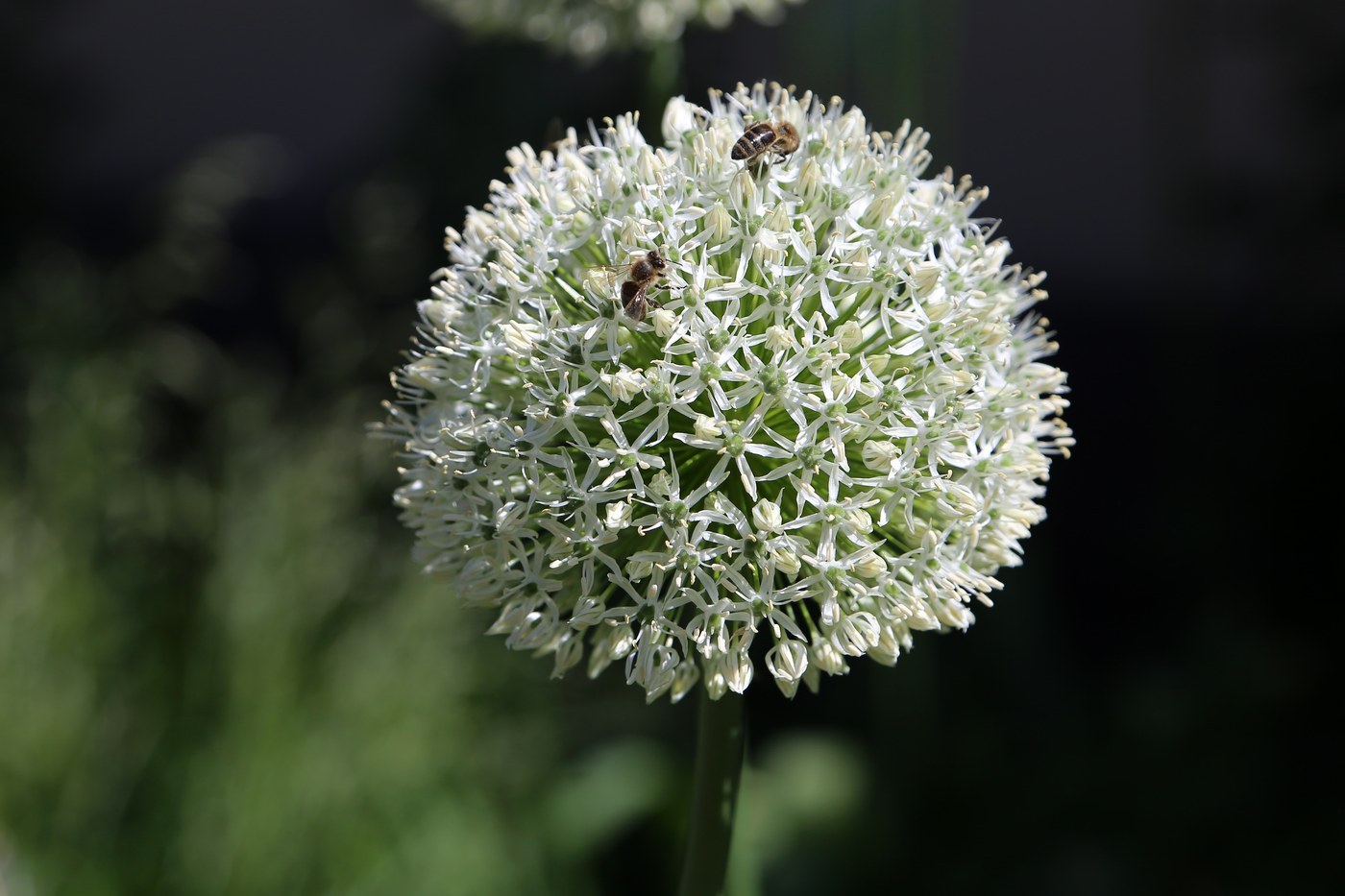
Allium (Allium giganteum) is a showy ornamental bulb producing enormous rounded umbels of tiny purple star-flowers atop tall, leafless stalks in late spring and early summer. Planted from bulbs in autumn, it is low-maintenance, long-lived, and a striking pollinator magnet.
Light
Grow in full sun for tall, sturdy stems and the largest, most tightly packed flower globes. Alliums flower poorly and stretch weakly in shade.
Water
Water moderately during active growth in spring, keeping the soil evenly moist but never waterlogged. After flowering, as the foliage yellows, reduce watering; the dormant bulbs prefer dry conditions in summer. Well-drained soil is essential to prevent bulb rot.
Soil & Potting
Provide light, fertile, well-drained soil. Sharp drainage is critical, as bulbs sitting in wet ground rot easily; amend heavy clay with grit. Plant bulbs in autumn about three times their own depth. In containers, use a gritty, free-draining bulb mix.
Humidity & Temperature
Alliums are hardy and need a cold winter period to trigger strong flowering, so they suit temperate climates. They tolerate summer heat well once dormant and prefer dry air and good airflow over humid, stagnant conditions.
Feeding
Feed lightly in autumn at planting and again in early spring as shoots emerge, using a balanced or bulb fertilizer. A low-nitrogen feed high in potassium supports good bulb development and future flowering.
Propagation
Propagate by lifting and separating offset bulblets from the parent during summer dormancy and replanting them. Alliums also grow readily from seed, though seedlings take a few years to reach flowering size. Some also self-seed if spent heads are left.
Repotting / Pruning
Bulbs can stay in place for years and often flower better when left undisturbed; divide congested clumps every few years in summer. Let the foliage die back naturally after bloom to recharge the bulb, even though it yellows before the flowers fade. Remove spent flower stalks, or leave the sculptural dried seed heads for ornament.
Common Problems & Pests
Alliums are among the most trouble-free bulbs. Bulb rot from waterlogged soil is the primary concern, so ensure excellent drainage. Downy mildew and onion white rot can affect the foliage in wet conditions. The yellowing of lower leaves during flowering is normal; disguise it by planting behind lower companions.
Seasonal Care Tips
Plant bulbs in autumn in a sunny, well-drained spot. Water through spring growth, feed as shoots emerge, and enjoy the globes in late spring. Let leaves wither naturally, then cut back. Keep bulbs on the dry side through summer dormancy, and leave the striking seed heads standing for late-season structure.
Frequently asked questions
When should I plant Allium bulbs?
Plant in autumn, about three times the bulb's depth, in full sun and well-drained soil. They need the winter chill to flower strongly the following spring.
Why are the leaves yellowing while it flowers?
This is completely normal for tall alliums, the foliage naturally fades as the flowers open. Plant lower companions in front to hide the dying leaves.
Do I need to lift Allium bulbs each year?
No. They're hardy and flower better left undisturbed for several years. Only lift to divide congested clumps or to separate offsets, ideally during summer dormancy.
Why didn't my Alliums flower?
Common causes are too much shade, poor drainage rotting the bulbs, or bulbs planted too shallowly. Give full sun, sharp drainage, and adequate planting depth.