Allium
Allium giganteum
Ornamental alliums are bulbs grown for their dramatic spherical flower heads on tall, leafless stems. Related to onions and garlic, they add bold architectural interest and are largely pest-proof.
- Light
- Full sun
- Water
- Moderate; well-drained soil
- Difficulty
- Easy
Got a plant like this?
Identify any plant from a photo, free.
Overview
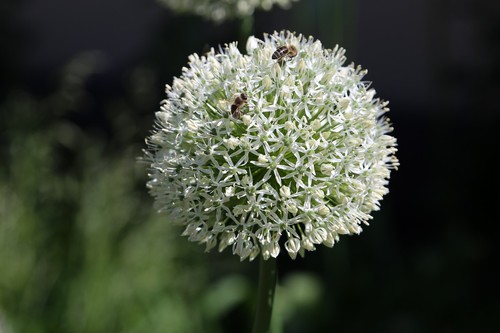
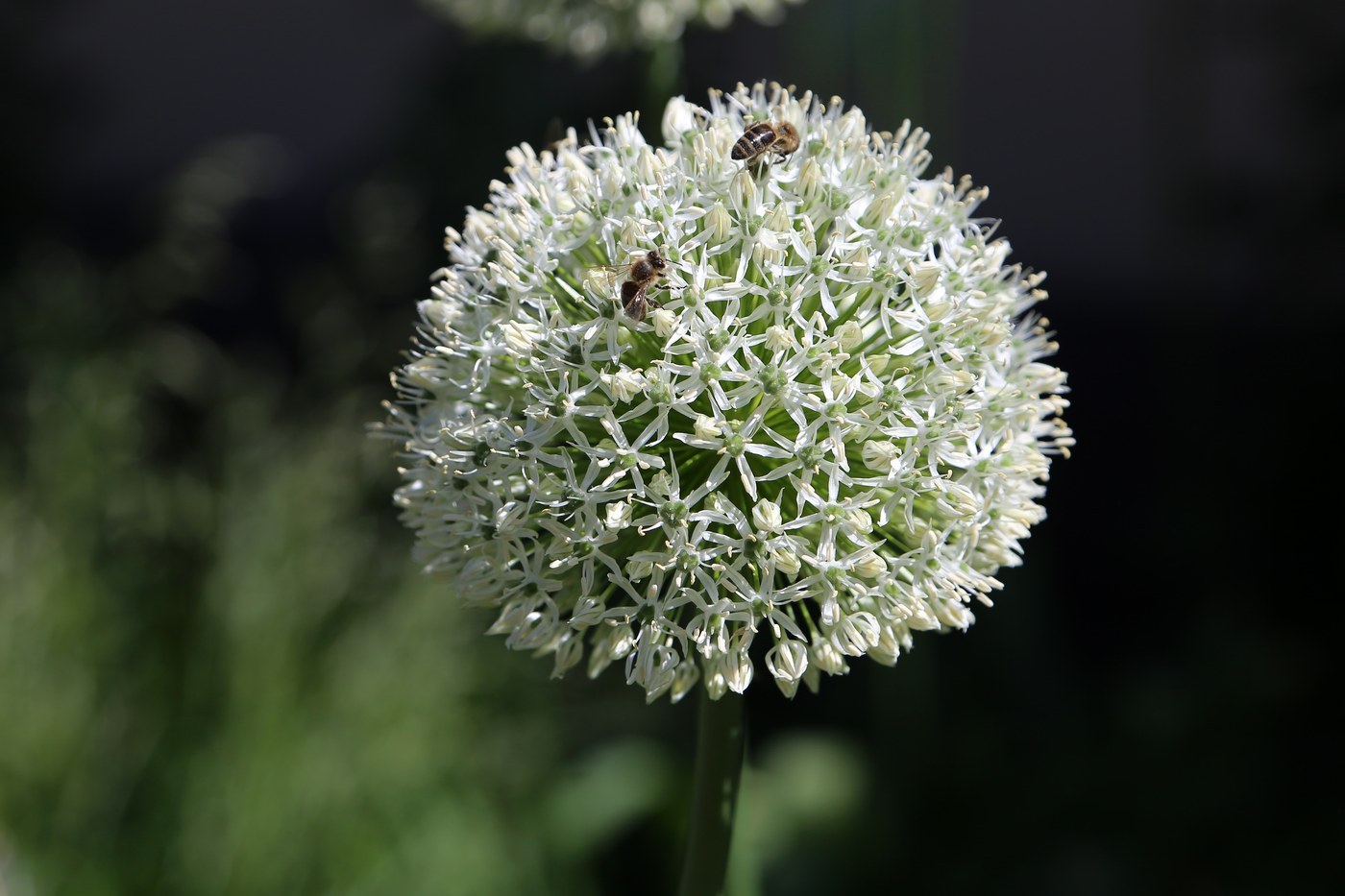
Allium is a large genus that includes onions, garlic, leeks and chives, but the ornamental types are grown for their striking globe-shaped flower clusters. Allium giganteum and hybrids like 'Globemaster' produce purple spheres atop bare stems several feet tall in late spring and early summer.
These bulbs are easy, deer- and rodent-resistant (thanks to their oniony scent), and bring strong architectural form to borders. The dried seed heads remain decorative long after the flowers fade.
How to identify it
Round flower globes on naked stems are the signature.
- Flowers: dozens to hundreds of small star-shaped florets packed into a dense sphere 2-8 in across; purple, lilac, white, pink or blue depending on species
- Leaves: strap-shaped, basal, often yellowing or withering by bloom time
- Stems: tall, leafless, upright; some species 3-4 ft, others much shorter
- Scent: oniony smell when foliage or bulb is cut
Care & growing
Plant the bulbs in autumn for early-summer bloom.
- Light: full sun
- Water: moderate during growth; dislikes wet, soggy soil that rots bulbs
- Soil: fertile, well-drained soil
- Temperature: hardy; most are reliable in zones 4-8
- Feeding: a light feed in spring supports the bulb
- Planting: set bulbs in fall, roughly three times their depth
- Maintenance: leave foliage to die back naturally to recharge the bulb; tall types may self-seed
- Propagation: offsets (bulblets) or seed
Habitat & origin
Allium giganteum is native to central and southwestern Asia, including Iran and the surrounding mountains, where it grows on sunny, well-drained slopes. The genus spans the Northern Hemisphere.
Ornamental alliums are grown worldwide in borders, gravel gardens and cutting gardens, prized for thriving in sunny, free-draining sites.
Frequently asked questions
When do I plant allium bulbs?
Plant them in autumn, like other spring bulbs, in a sunny, well-drained spot. They'll bloom in late spring to early summer.
Why is the foliage yellowing while it blooms?
That's normal for many alliums. The leaves often wither as the flowers open. Let them die back naturally so the bulb can recharge.
Do alliums come back every year?
Yes, they're perennial bulbs and typically return for years, often multiplying via offsets and sometimes self-seeding.
Are ornamental alliums deer-resistant?
Yes. Their oniony scent deters deer and rodents, which generally leave them alone.
Allium guides
In-depth guides for identifying, growing, and caring for Allium.