Wild Violet
Viola sororia
Wild violet is a low-growing perennial wildflower with heart-shaped leaves and five-petaled blue-purple blooms, beloved by some and considered a stubborn lawn weed by others.
- Light
- Part shade to full sun
- Water
- Moderate; prefers moist soil
- Difficulty
- Easy
Got a plant like this?
Identify any plant from a photo, free.
Overview
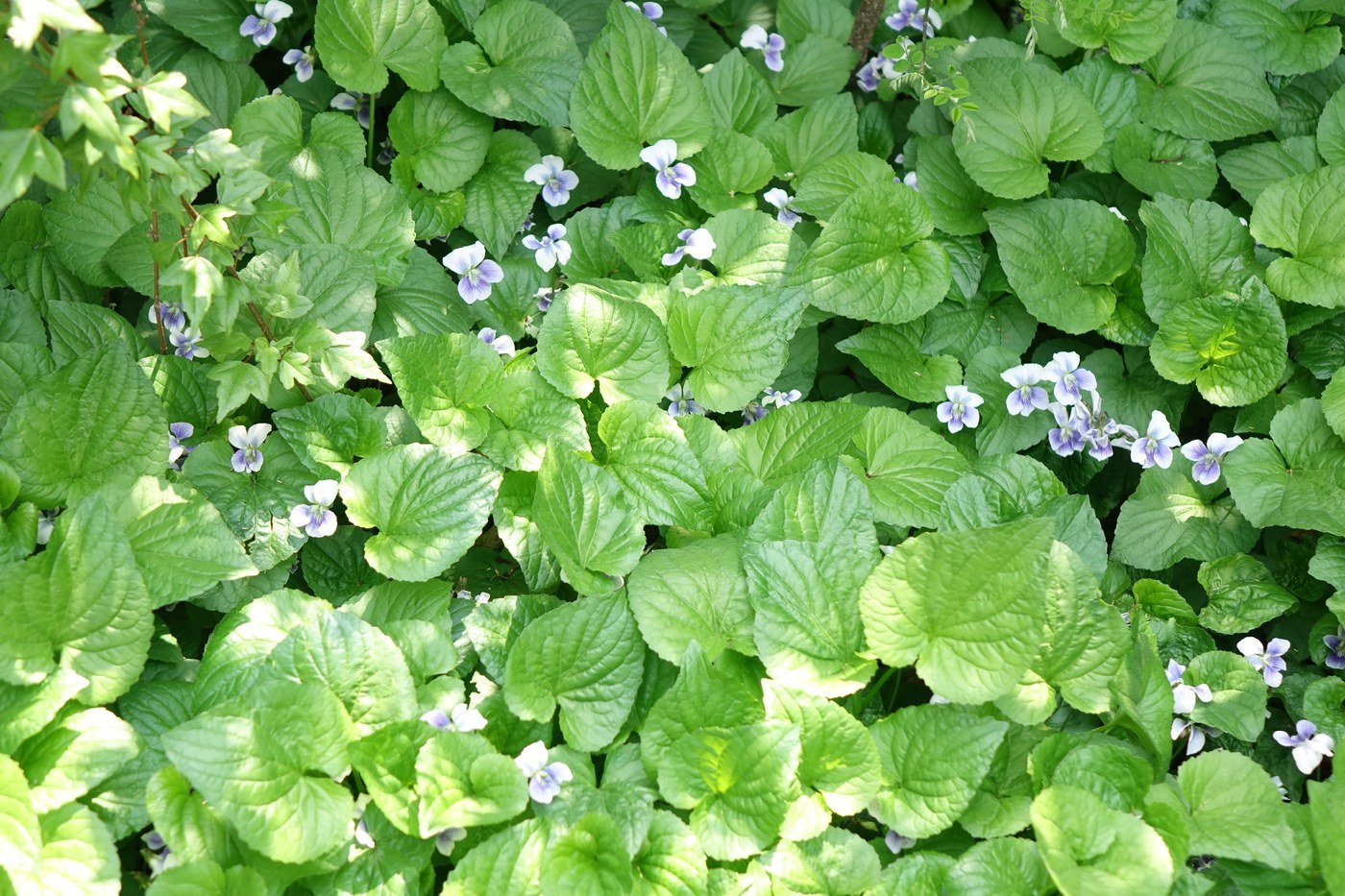
Wild violet (Viola sororia) is a clump-forming perennial native to eastern North America, where it carpets woodland edges, meadows, and lawns in early spring. Its dainty purple flowers and tidy mounds of heart-shaped foliage make it a charming groundcover.
Despite its beauty, it spreads aggressively by rhizomes and self-seeding, which is why many gardeners regard it as a persistent lawn weed. It produces both showy springtime flowers and hidden self-pollinating (cleistogamous) flowers near the soil that guarantee seed production.
How to identify it
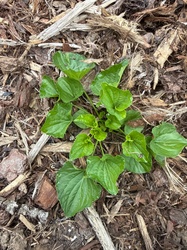
Look for a low rosette of leaves topped by solitary flowers held just above the foliage.
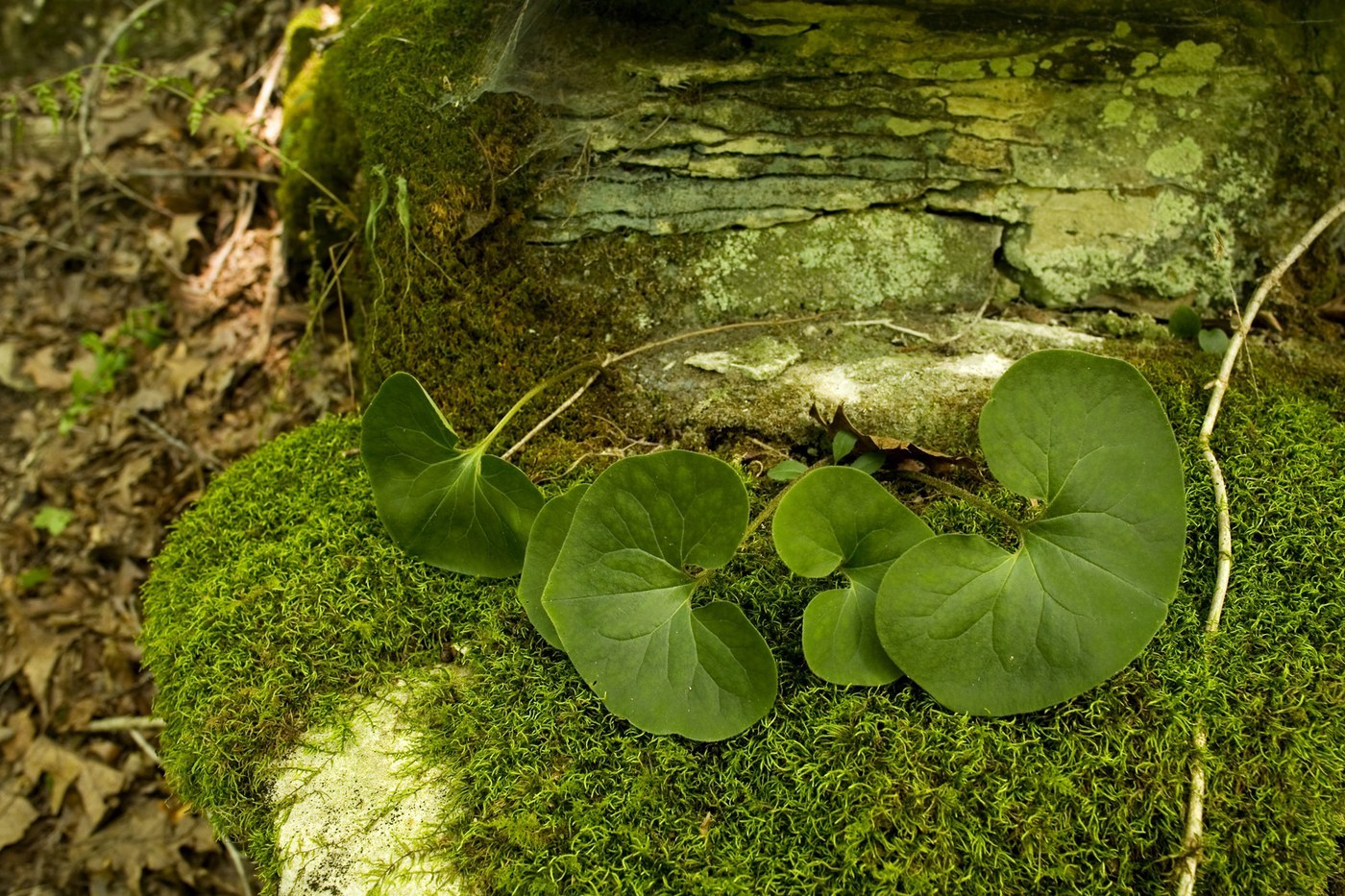
- Leaves: Heart- to kidney-shaped, finely toothed, dark green, on long stalks
- Flowers: Five petals, typically blue-violet (sometimes white or bicolor), with a white throat and faint dark veining
- Size: Usually 3-6 inches tall, forming spreading clumps
- Habit: Stemless, basal foliage rising directly from creeping rhizomes; blooms early to mid-spring
Care & growing
An undemanding plant that thrives on neglect once established.
- Light: Part shade is ideal, but tolerates full sun with adequate moisture
- Water: Likes consistently moist, well-drained soil; tolerant of occasional dryness
- Soil: Rich, humusy soil preferred; adapts to most garden soils
- Temperature: Hardy USDA zones 3-9
- Feeding: Rarely needed; a little compost suffices
- Propagation: Easiest by division of rhizomes or by transplanting seedlings; self-sows readily
Habitat & origin
Native to eastern and central North America, wild violet grows naturally in moist woodlands, thickets, meadows, and along streams. It readily colonizes lawns, garden beds, and shaded turf.
It is widely grown (and just as widely battled) across temperate gardens for its early color and ability to fill shady, difficult spots where grass struggles.
Frequently asked questions
Is wild violet a weed or a flower?
Both, depending on perspective. It is a genuine native wildflower, but its aggressive spread by rhizomes and seed makes it a common and hard-to-control lawn weed.
How do I identify wild violet?
Look for a low rosette of long-stalked, heart-shaped, finely toothed leaves topped by five-petaled blue-violet flowers with a white throat, blooming in early to mid-spring.
How do I get rid of wild violet in my lawn?
It is notoriously difficult. Hand-digging the rhizomes, improving lawn density, and broadleaf herbicides containing triclopyr applied in fall are the most effective approaches.
Wild Violet guides
In-depth guides for identifying, growing, and caring for Wild Violet.
How to Care for Wild Violet
Grow the charming Wild Violet (Viola sororia) as a low-maintenance groundcover with dainty purple blooms in shade to sun and moist soil.
Wild Violet Identification Guide
How to recognize wild violet (Viola species) by its heart-shaped leaves, five-petaled purple flowers, and dense low-growing habit in lawns and woodlands.
Wild Violet identified by the community
Real specimens identified with Plant Identifier.