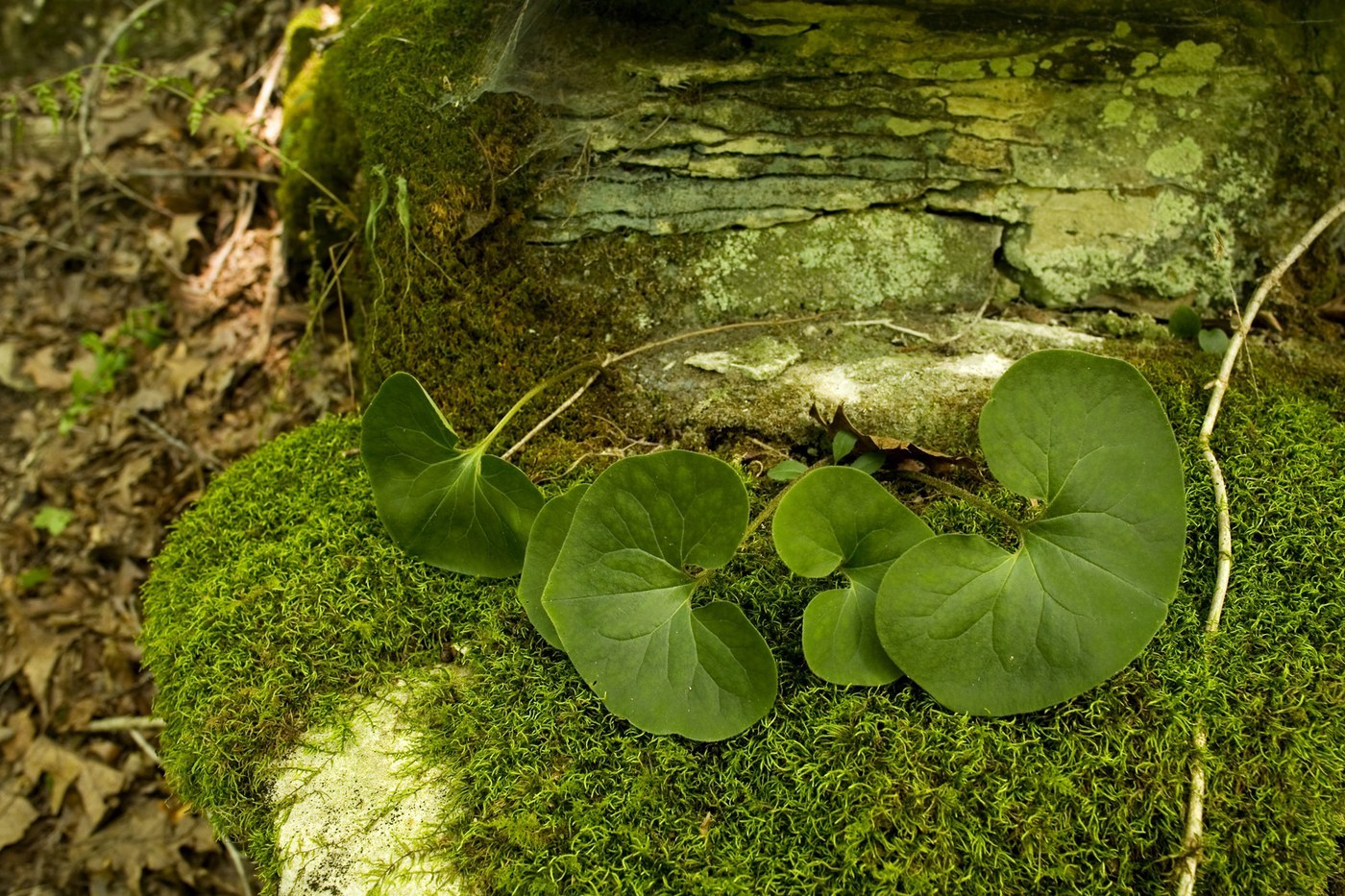
Wild Ginger
Asarum canadense
A low, spreading woodland groundcover with heart-shaped leaves and curious maroon flowers hidden at soil level. Its ginger-scented roots inspired the common name, though it is unrelated to true ginger.
- Light
- Part shade to full shade
- Water
- Moderate; consistently moist soil
- Difficulty
- Easy
Got a plant like this?
Identify any plant from a photo, free.
Overview
Wild ginger (Asarum canadense) is a native eastern North American groundcover grown for its lush carpet of heart-shaped leaves. The name comes from the ginger-like aroma of its rhizome, though the plant is unrelated to true ginger (Zingiber officinale).
Its unusual flowers are easy to miss: solitary, cup-shaped, brownish-maroon blooms borne right at ground level beneath the foliage, where they are pollinated by early-season insects such as flies and beetles.
Spreading slowly by rhizome, wild ginger forms dense, weed-suppressing mats, making it a prized native groundcover for shade.
How to identify it
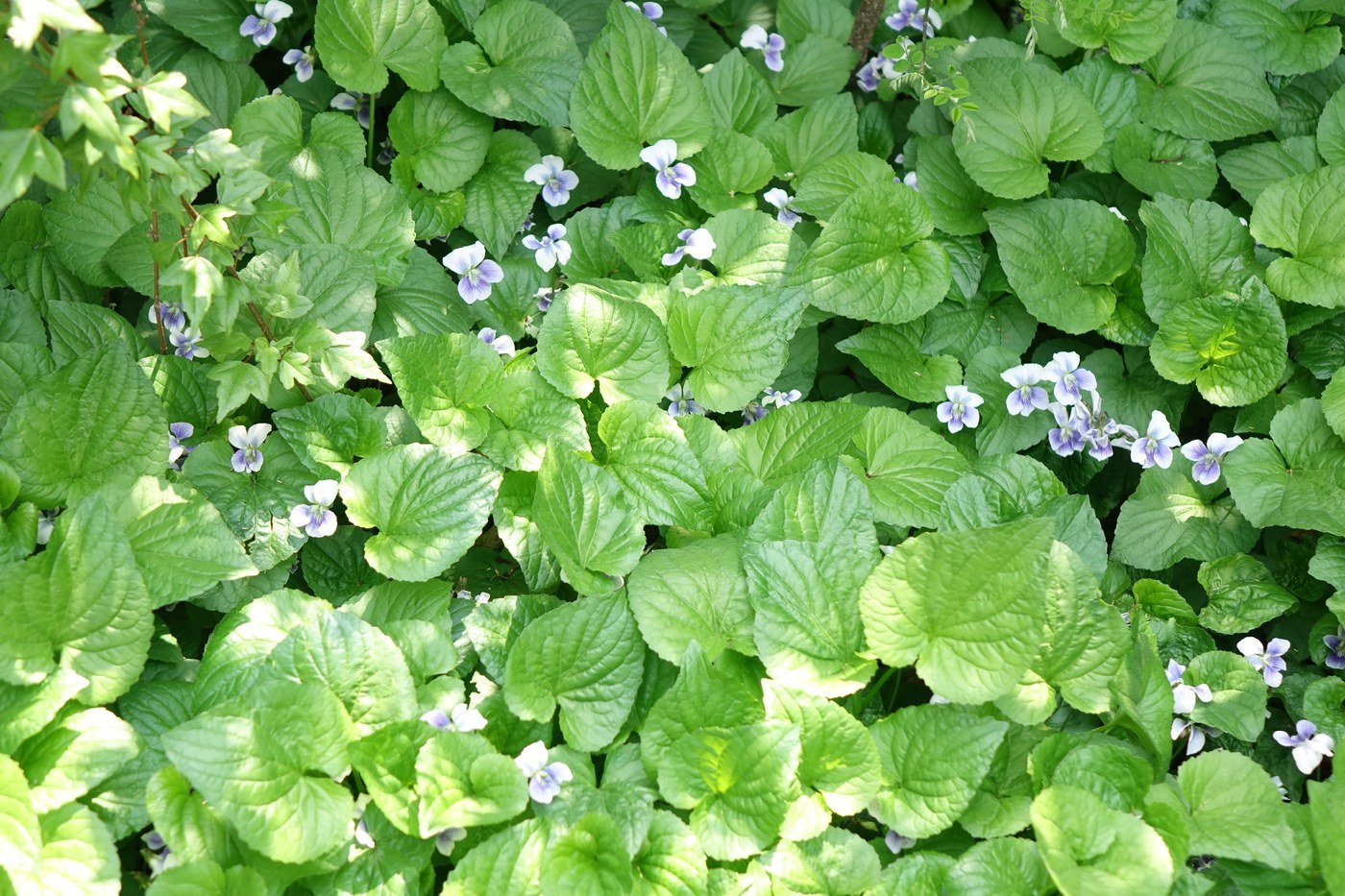
Look for a low mat of paired, heart-shaped, fuzzy leaves hugging the ground.
- Leaves: Heart- or kidney-shaped, soft, slightly fuzzy, deep green, held in pairs
- Flowers: Single, cup- or jug-shaped, brownish-maroon, hidden at the base near the soil
- Habit: Low, spreading groundcover from creeping rhizomes
- Size: Usually 6 to 8 inches (15 to 20 cm) tall
- Bloom time: Spring, with flowers concealed beneath the leaves
Care & growing
Wild ginger is an easy, low-care shade groundcover.
- Light: Part to full shade
- Water: Keep soil consistently moist; tolerates short dry spells in shade
- Soil: Rich, humusy, well-drained woodland soil
- Temperature: Cold-hardy perennial; the native species is deciduous
- Propagation: Easily divided in spring or fall; spreads steadily by rhizome
Habitat & origin
Canadian wild ginger is native to eastern North America, from Quebec and Ontario south to the Carolinas and west to the Great Plains.
It grows on rich, moist, shaded forest floors, on slopes, and along stream banks, thriving in the leaf-littered soil of deciduous woodlands.
It is widely planted as a native groundcover in shade and woodland gardens, where its spreading foliage suppresses weeds.
Frequently asked questions
Is wild ginger related to true ginger?
No. It is unrelated to true ginger; it simply has rhizomes with a similar spicy aroma, which inspired the common name.
Where are the flowers?
The brownish-maroon, jug-shaped flowers form right at ground level beneath the leaves, so they are easily overlooked.
Is wild ginger good as a groundcover?
Yes. It spreads steadily by rhizome to form a dense, weed-suppressing carpet in moist, shaded gardens.
Wild Ginger guides
In-depth guides for identifying, growing, and caring for Wild Ginger.
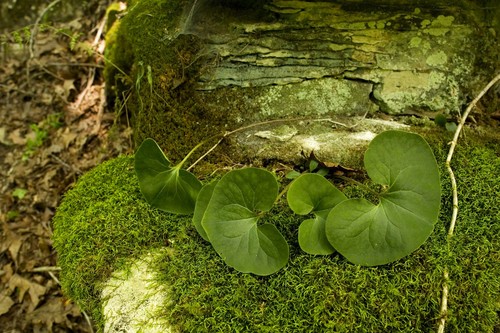
How to Care for Wild Ginger
Grow Asarum canadense as a lush woodland groundcover in shade with rich, consistently moist soil and heart-shaped leaves.
Wild Ginger Identification Guide
Identify Wild Ginger (Asarum) by its paired heart-shaped leaves and hidden maroon, cup-shaped flower at ground level. This guide covers its spreading habit and ginger-scented roots.