Zinnia
Zinnia elegans
Zinnias are fast-growing, heat-loving annuals that produce bold, daisy-like flowers in vivid colors all summer. They are easy from seed, beloved by pollinators, and excellent cut flowers.
- Light
- Full sun
- Water
- Water at base; let topsoil dry
- Difficulty
- Easy
Got a plant like this?
Identify any plant from a photo, free.
Overview
Zinnias are among the easiest and most rewarding annual flowers, blooming quickly from seed and flowering continuously through the hot summer months. They come in single, semi-double, and fully double forms in nearly every color but true blue.
Native to the Americas, zinnias thrive in heat and sun, attract butterflies and bees, and are a staple of cutting gardens for their long vase life and abundant bloom.
How to identify it
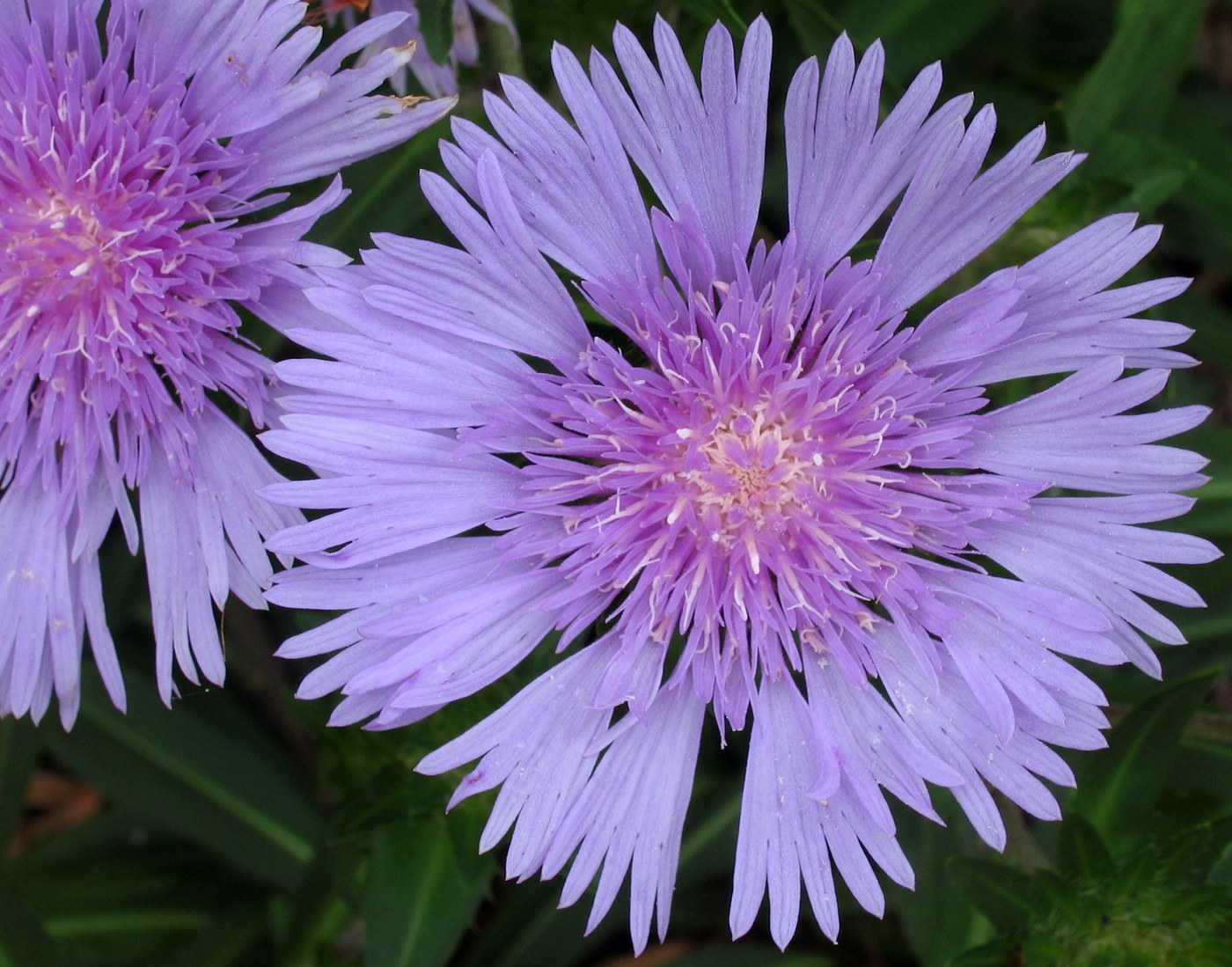
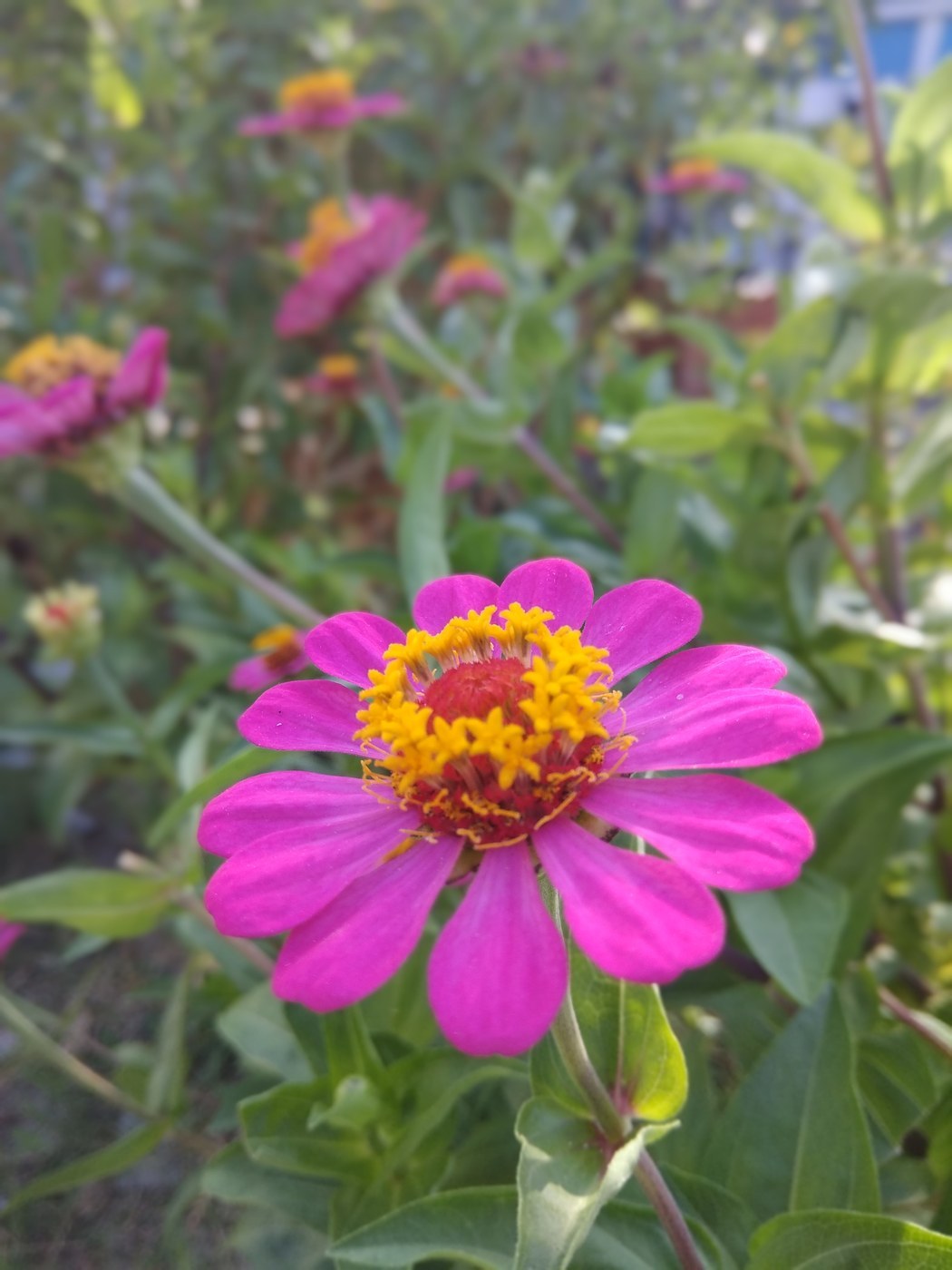
Identified by bright, daisy-like blooms on stiff upright stems.
- Flowers: Daisy-like, single to fully double, 1-5 in wide, in bold reds, pinks, oranges, yellows, purples, and white
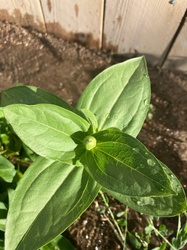
- Leaves: Lance-shaped, rough-textured, opposite, clasping the stem
- Habit: Upright, branching, from dwarf 6 in to tall 3-4 ft types
- Stems: Stiff and sturdy, ideal for cutting
Care & growing
Zinnias are low-maintenance heat lovers grown easily from seed.
- Light: Full sun for the best, most abundant bloom
- Water: Water at the base and let the topsoil dry; avoid wetting foliage to prevent mildew
- Soil: Fertile, well-draining soil
- Temperature: Warm-season; sow after the last frost in warm soil
- Feeding: Light feeding supports continued flowering
- Maintenance: Deadhead and cut flowers regularly to keep blooms coming; ensure good air circulation
- Propagation: Direct-sow seeds or start indoors
Habitat & origin
Zinnias are native to the Americas, especially Mexico, where they grow in warm grasslands and scrub.
They are grown worldwide as warm-season annuals in flower beds, borders, and cutting gardens, valued in butterfly and pollinator gardens.
Frequently asked questions
Why do my zinnias get powdery mildew?
Mildew is common in humid conditions; improve air circulation, water at the base rather than overhead, and choose mildew-resistant varieties.
Do zinnias come back every year?
They are annuals and do not survive frost, but they self-seed readily and often reappear the next year.
How do I get more zinnia blooms?
Deadhead spent flowers and cut blooms regularly; frequent cutting encourages more flowering.
Are zinnias good for pollinators?
Yes, single-flowered zinnias especially are excellent for attracting butterflies, bees, and hummingbirds.
Zinnia guides
In-depth guides for identifying, growing, and caring for Zinnia.
How to Care for Zinnia
Grow Zinnia (Zinnia elegans), a heat-loving annual that rewards full sun and base watering with masses of bright, long-lasting flowers.
Zinnia Identification Guide
Identify zinnias by their bright daisy-like flower heads on stiff upright stems, opposite rough leaves that clasp the stem, and long summer bloom.
Zinnia identified by the community
Real specimens identified with Plant Identifier.