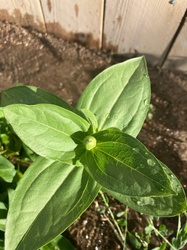
How to Care for Zinnia
Grow Zinnia (Zinnia elegans), a heat-loving annual that rewards full sun and base watering with masses of bright, long-lasting flowers.
Read the full Zinnia encyclopedia entry →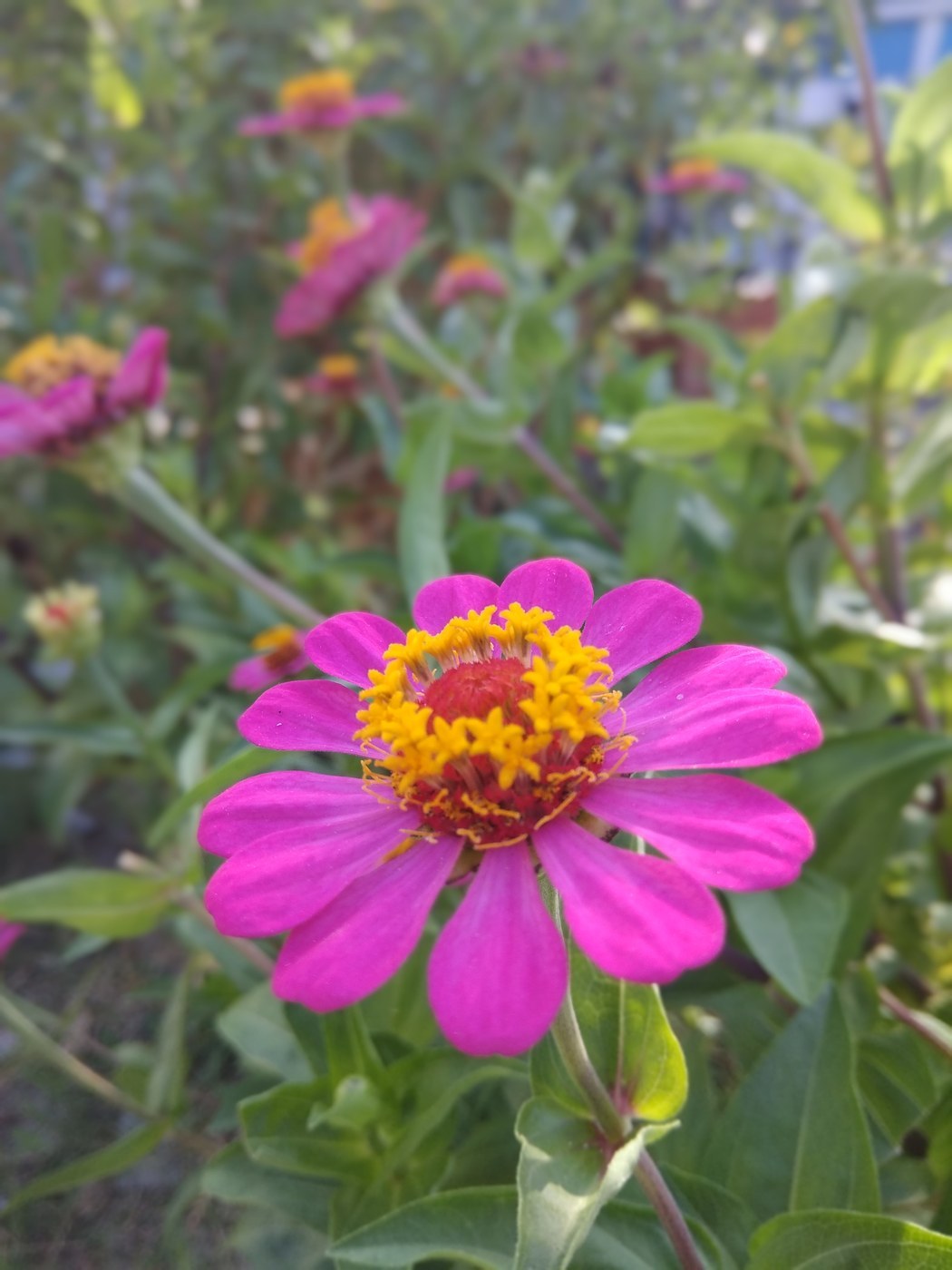
Zinnia (Zinnia elegans) is one of the easiest and most rewarding annual flowers, producing bold, brightly colored blooms all summer with very little fuss. It thrives on heat and sun and is a favorite for cutting gardens and pollinator borders.
Light
Give Zinnias full sun, a minimum of six hours of direct light daily. Abundant sun produces sturdy stems, dense flowering, and better disease resistance. Plants grown in shade become leggy, bloom sparsely, and are much more susceptible to mildew.
Water
Water at the base and let the top of the soil dry slightly between waterings. Zinnias prefer even moisture but tolerate short dry spells once established. Avoid overhead watering, which wets the foliage and invites fungal leaf disease; a soaker hose or watering can aimed at the roots is ideal.
Soil & Potting
Zinnias grow in average, well-drained soil and tolerate a range of conditions, though they flower best in fertile ground enriched with a little compost. Good drainage is key. In containers, use a quality potting mix in a pot with drainage holes and choose more compact cultivars for the best results.
Humidity & Temperature
This is a warm-season plant that loves heat and cannot tolerate frost. Wait until the soil is warm to sow or transplant. High humidity combined with wet foliage is the main enemy, promoting powdery mildew, so prioritize airflow in humid climates.
Feeding
Feed lightly for continuous bloom. Mix compost or a balanced fertilizer into the soil at planting, then apply a light feeding every few weeks through the growing season. Avoid excess nitrogen, which encourages leafy growth over flowers.
Propagation
Zinnias are grown from seed and germinate quickly in warm soil. Sow directly where they are to grow after frost has passed, or start indoors a few weeks earlier and transplant while young, as they dislike root disturbance. Successive sowings every couple of weeks extend the bloom season.
Repotting / Pruning
As annuals they are not repotted. Pinch out the growing tips of young plants to encourage bushier, better-branched growth. Deadhead spent flowers regularly, or cut blooms for arrangements, to keep the plant producing new buds right up to frost.
Common Problems & Pests
Powdery mildew is the most common issue, appearing as white coating on leaves in humid or crowded plantings; space plants well, water at the base, and choose resistant varieties. Watch also for aphids and spider mites, which can be rinsed off or managed with insecticidal soap. Good spacing and airflow prevent most problems.
Seasonal Care Tips
Sow after the soil warms in spring and make a second sowing in early summer for late-season color. Deadhead and feed lightly through the peak of summer to keep flowers coming. Plants decline with the first frost; collect seed from favorite blooms beforehand if you want to grow them again.
Frequently asked questions
How much sun do Zinnias need?
Full sun, at least six hours a day. Sunny sites give sturdy stems, heavy flowering, and much better resistance to mildew.
How should I water Zinnias?
Water at the base and let the topsoil dry slightly between waterings. Avoid wetting the leaves, which encourages fungal disease.
How do I get more flowers?
Pinch young plants to encourage branching, deadhead spent blooms regularly, and feed lightly every few weeks through summer.
Why do my Zinnia leaves have white powder on them?
That is powdery mildew, common in humid, crowded plantings. Space plants for airflow, water at the base, and choose resistant varieties.
Can Zinnias survive frost?
No. They are warm-season annuals killed by frost, so plant only after the soil has warmed and expect them to fade with autumn cold.
Zinnia identified by the community
Recent Zinnia specimens identified with Plant Identifier.