Speedwell
Veronica spicata
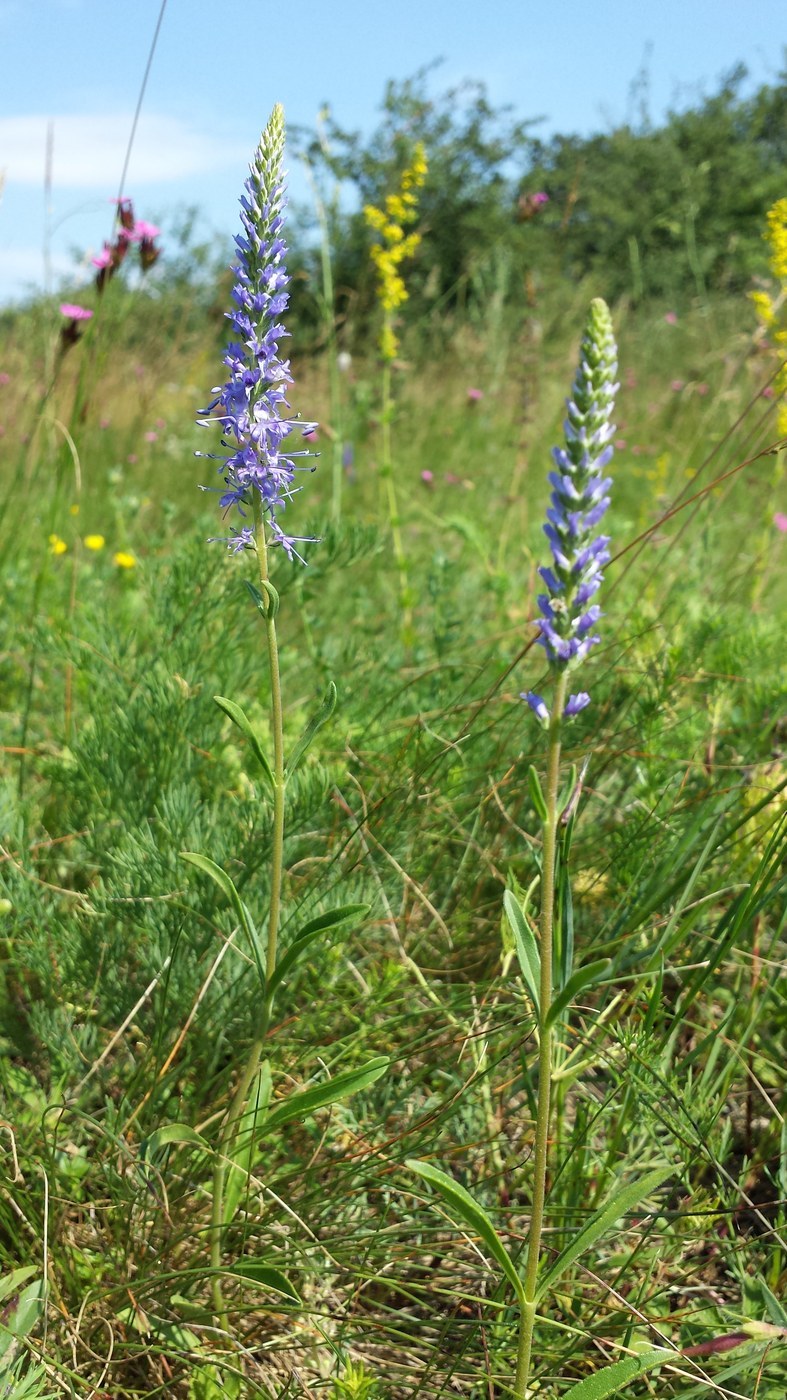
Speedwell is a hardy perennial prized for its upright spikes of densely packed blue, purple, pink or white flowers that bloom for weeks in summer. It is a magnet for bees and butterflies and thrives in sunny, well-drained borders.
- Light
- Full sun
- Water
- Moderate; let topsoil dry between
- Difficulty
- Easy
Got a plant like this?
Identify any plant from a photo, free.
Overview
Speedwell (genus Veronica) is a large group of flowering perennials and a few annuals, with spike speedwell (Veronica spicata) being one of the most popular garden forms. It is grown for its slender, vertical flower spikes that rise above neat clumps of green foliage.
Most garden speedwells are cold-hardy, drought-tolerant once established, and remarkably long-blooming, making them reliable performers in cottage gardens and pollinator plantings.
The common name reportedly derives from an old farewell wish for travelers, "speed well," though some link it to the plant's quick spreading habit.
How to identify it
Look for tidy mounds of foliage topped by tapering flower spikes.
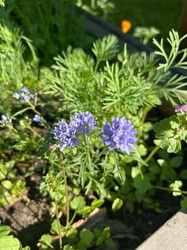
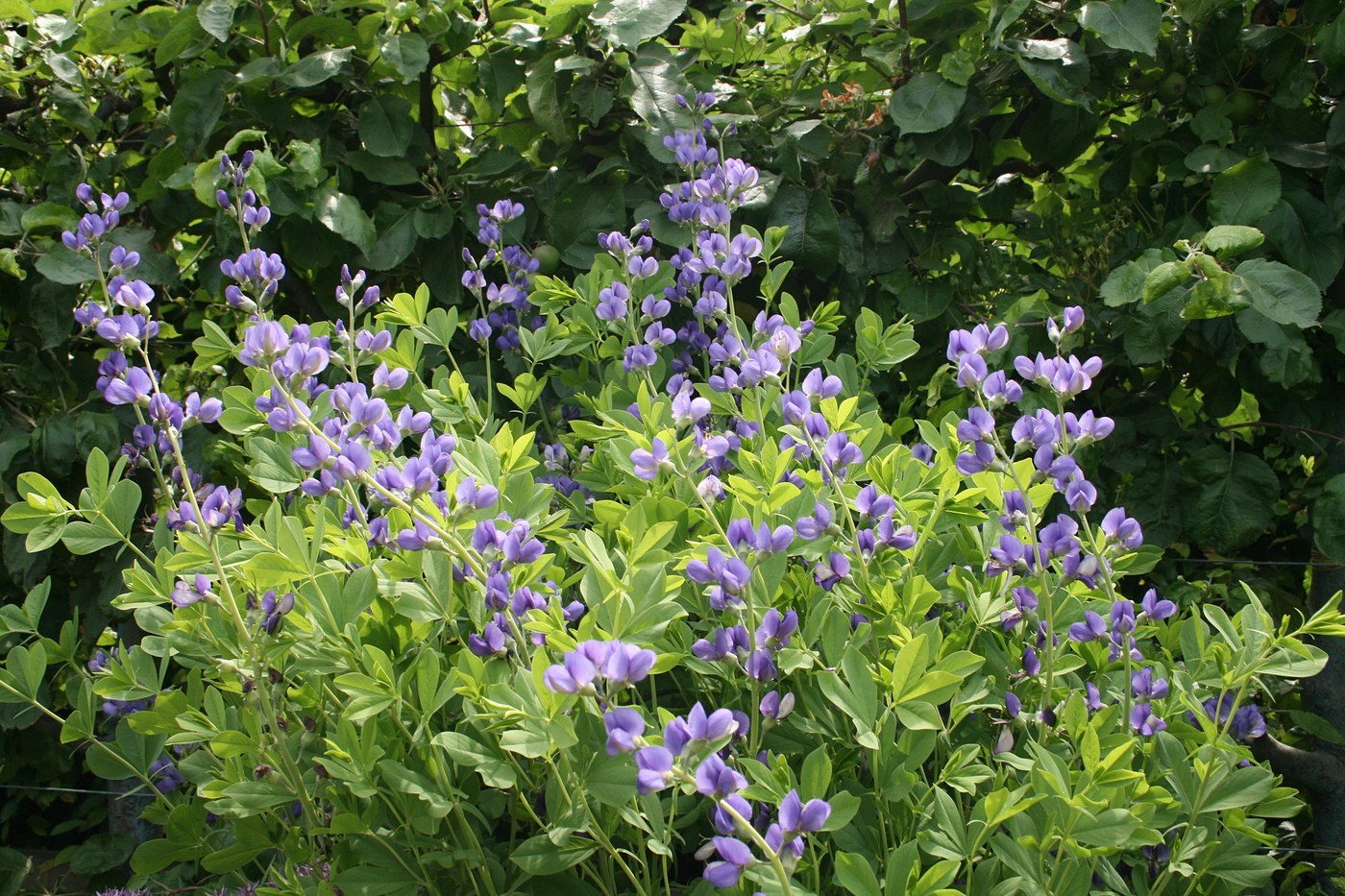
- Flowers: Small, four-lobed blooms packed densely along erect spikes 1-3 ft tall, in blue, violet, pink, or white
- Leaves: Narrow to lance-shaped, opposite, often with toothed margins and a slightly hairy texture
- Habit: Clump-forming, upright; spreading groundcover types also exist
- Bloom time: Early to midsummer, often reblooming if deadheaded
Care & growing
Speedwell is undemanding once sited correctly.
- Light: Full sun for best flowering; tolerates light afternoon shade
- Water: Moderate and even; allow the topsoil to dry slightly. Drought-tolerant once established
- Soil: Average, well-drained soil; dislikes soggy winter ground
- Temperature: Cold-hardy, roughly USDA zones 3-8
- Feeding: Light spring feeding is plenty; avoid excess nitrogen which causes flopping
- Propagation: Divide clumps in spring or fall, take stem cuttings, or sow seed
- Tip: Deadhead spent spikes to encourage a second flush
Habitat & origin
Spike speedwell is native to Europe and northern Asia, where it grows in dry meadows, rocky slopes, and grassland.
The wider Veronica genus is found across temperate regions worldwide. In gardens, speedwell is widely planted in borders, rock gardens, and pollinator beds throughout North America and Europe.
Frequently asked questions
Will speedwell rebloom?
Yes. Cutting back faded flower spikes promptly often triggers a second, lighter flush of bloom later in summer.
Is speedwell invasive?
Garden clump-forming types are well-behaved, but some creeping speedwell species spread aggressively in lawns and are considered weeds.
Does speedwell attract bees?
Very much so. Its nectar-rich spikes are a favorite of bees, butterflies, and other pollinators.
Why is my speedwell flopping over?
Too much shade, overly rich soil, or excess nitrogen causes weak, leggy stems. Give it full sun and lean soil for sturdier growth.
Speedwell guides
In-depth guides for identifying, growing, and caring for Speedwell.
How to Care for Speedwell
Grow Speedwell (Veronica spicata) for upright spikes of blue, purple, pink, or white bloom. An easy, sun-loving perennial care guide.
Speedwell Identification Guide
How to recognize speedwell (Veronica), from the low creeping lawn weeds to the upright spiked garden perennials, by their tiny four-lobed flowers and paired leaves.
Speedwell identified by the community
Real specimens identified with Plant Identifier.