How to Care for Speedwell
Grow Speedwell (Veronica spicata) for upright spikes of blue, purple, pink, or white bloom. An easy, sun-loving perennial care guide.
Read the full Speedwell encyclopedia entry →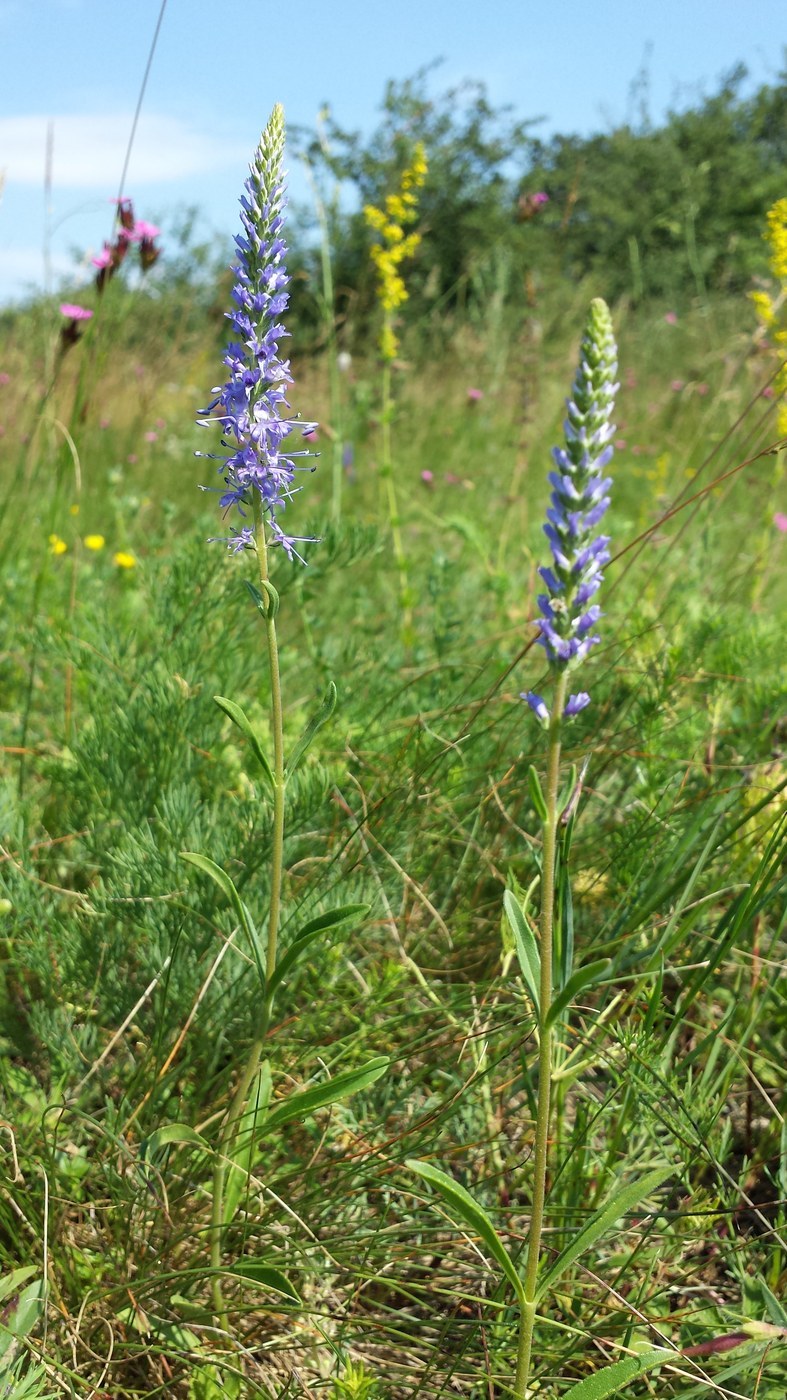
Speedwell (Veronica spicata) is an easy, reliable perennial that sends up slender vertical spikes packed with tiny blue, purple, pink, or white flowers over a long summer season. Its neat, clumping habit and love of sun make it a dependable choice for borders and pollinator plantings.
Light
Speedwell flowers best in full sun, ideally six or more hours of direct light daily. In hot regions it tolerates a little afternoon shade, but too much shade produces floppy stems and fewer flower spikes. Give it an open, sunny position for the most upright, densely flowered display.
Water
Provide moderate, even moisture while plants establish, then let the topsoil dry slightly between waterings. Mature clumps are fairly tolerant of short dry spells but bloom best with consistent moisture during summer. Avoid waterlogged soil, which can cause crown and root rot, and water at the base to keep foliage dry.
Soil & Potting
Grow in average, well-drained soil of moderate fertility. Speedwell is not fussy about pH and adapts to loam or sandy ground as long as drainage is good. Heavy, wet clay is its main enemy; improve such soils with grit or compost. In containers, use a free-draining potting mix.
Humidity & Temperature
This is a hardy perennial, generally reliable through USDA zones 3 to 8. It handles cold winters well and prefers moderate summer temperatures; in very hot, humid climates good air circulation helps prevent foliar disease. No special humidity is required.
Feeding
Speedwell is a light feeder. A single application of balanced fertilizer or a topdressing of compost in early spring is usually plenty. Overfeeding, especially with excess nitrogen, encourages weak, floppy growth and can reduce flowering.
Propagation
The easiest method is division of established clumps in spring or early autumn every few years, which also keeps plants vigorous. Basal or stem cuttings root readily in early summer. Species types can also be grown from seed sown in spring, though named cultivars are best propagated vegetatively to stay true.
Repotting / Pruning
Deadhead spent flower spikes through the season to encourage a longer bloom and, sometimes, a repeat flush. Cut plants back after the main bloom fades to tidy the clump and promote fresh basal growth. In late autumn or early spring, remove old top growth. Divide crowded clumps every three to four years to maintain vigor.
Common Problems & Pests
Speedwell is largely trouble-free. In humid conditions it can develop powdery mildew, downy mildew, or leaf spot; improve spacing and airflow to prevent these. Root and crown rot occur in poorly drained, soggy soil. Occasional pests include aphids and, in damp conditions, slugs on new growth.
Seasonal Care Tips
Cut back old stems in early spring as new growth appears. Water and deadhead through the summer bloom period for the longest show, and shear back after flowering for a possible second flush. Divide and rejuvenate clumps in spring or fall, and leave a light layer of mulch to protect crowns over winter in colder zones.
Frequently asked questions
Why are my Speedwell stems flopping over?
Floppy stems usually mean too little sun or too much nitrogen. Move plants to a brighter spot, avoid overfeeding, and cut back after the first bloom to encourage sturdier, more compact regrowth.
Does deadheading Speedwell help?
Yes. Removing spent flower spikes keeps the plant blooming longer and often triggers a second flush. Shearing the whole clump back after the main bloom also tidies it and promotes fresh growth.
How often should I divide Speedwell?
Divide clumps every three to four years in spring or early autumn. This keeps plants vigorous, prevents crowding, and gives you free new plants for elsewhere in the garden.
Is Speedwell hardy in cold winters?
Very. Veronica spicata is generally reliable through USDA zones 3 to 8, tolerating cold winters well. A light winter mulch protects the crowns in the coldest areas.
Speedwell identified by the community
Recent Speedwell specimens identified with Plant Identifier.